Can Cats Eat Cherries? A Vet’s Cautionary Take on This Sweet Snack
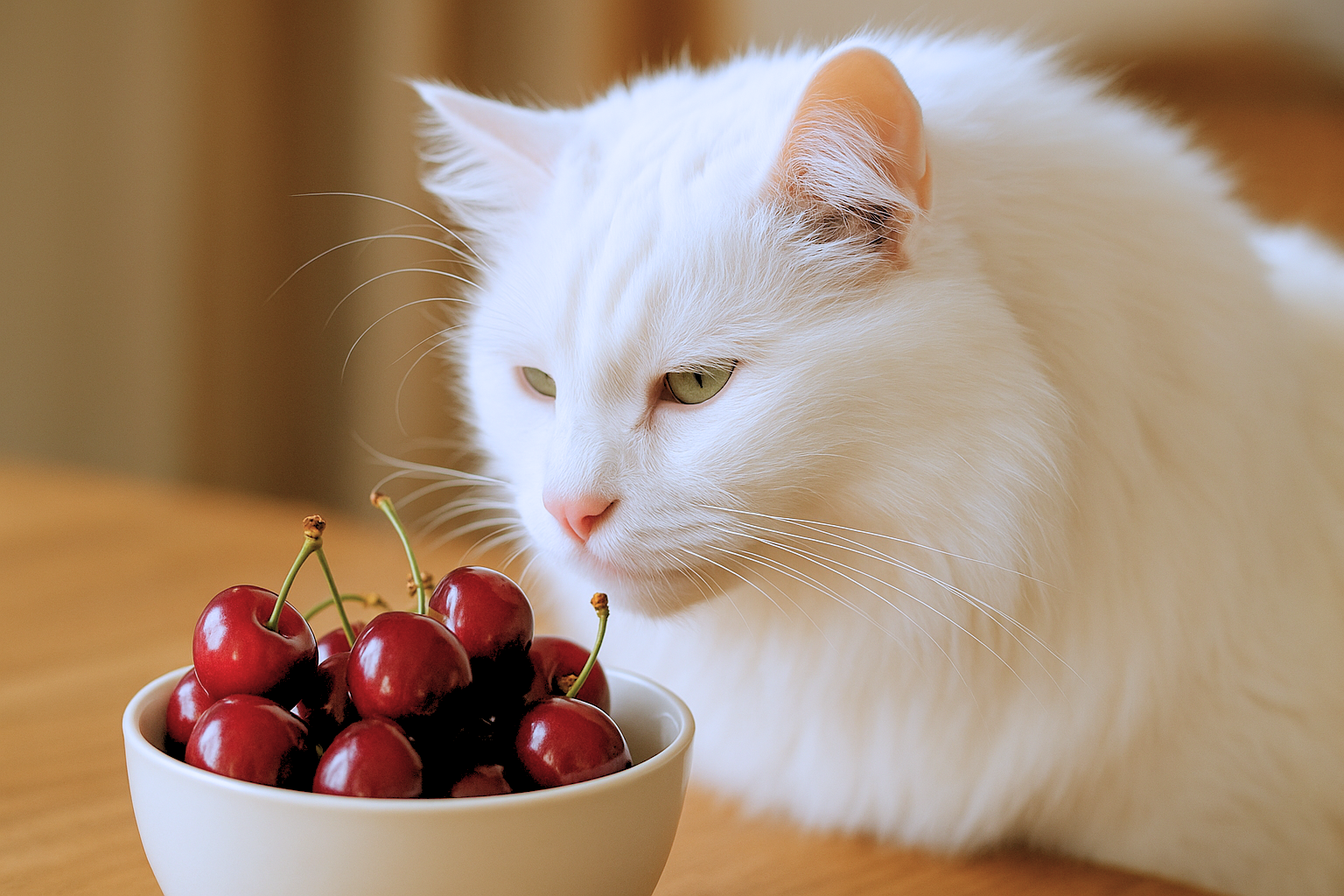
Cherries are juicy, sweet, and hard to resist — especially when they’re in season. But while you’re enjoying a bowl of ripe cherries, you may notice your cat showing interest. That leads to the natural question: Can cats eat cherries? As a veterinarian, I get this question often, and while the answer isn’t black and white, it’s important to understand the risks before you share even a single bite with your feline friend.
Let’s take a closer look at what cherries really mean for cats — the good, the bad, and the potentially dangerous.
What Are Cherries?
Cherries are small, round stone fruits belonging to the genus Prunus, which includes plums, peaches, and apricots. There are several varieties, but the two most common types are sweet cherries (Prunus avium) and sour cherries (Prunus cerasus). They’re enjoyed fresh, dried, or as ingredients in baked goods, jams, and juices.
These fruits are packed with antioxidants, vitamins like C and A, fiber, and natural sugars. For humans, cherries offer anti-inflammatory benefits and support heart health — but cats, as obligate carnivores, have very different dietary needs.
Is It Safe for Cats to Eat Cherries?
The short answer: No — cherries are not safe for cats in most cases.
While the flesh of the cherry is not toxic on its own, almost every other part of the cherry — including the pit, stem, and leaves — contains cyanogenic glycosides (compounds that release cyanide when digested). Even a small amount of these parts can pose a serious health risk to cats.
Additionally, cherries are high in natural sugars, which can upset a cat’s digestive system and contribute to long-term issues like obesity and diabetes if consumed regularly.
So, while a tiny lick of cherry flesh might not immediately harm your cat, it’s not something I would ever recommend offering — especially given the risks.
Are There Any Benefits for Cats?
From a veterinary standpoint, cherries offer no meaningful nutritional benefits to cats.
Cats are obligate carnivores, meaning their digestive systems are designed to derive essential nutrients like taurine, arachidonic acid, and vitamin A from animal protein — not fruits. While cherries do contain antioxidants and vitamins that are healthy for humans, cats can’t metabolize or utilize these nutrients effectively from plant-based sources.
In short, cherries are not a necessary or beneficial addition to a feline diet.
What Are the Risks of Feeding Cherries to Cats?
The primary concern with cherries lies in the toxicity of the pit, stem, and leaves, all of which contain compounds that release cyanide in the body. Cyanide inhibits cellular respiration, leading to signs of poisoning that can progress rapidly.
Symptoms of cherry toxicity in cats include:
- Difficulty breathing
- Dilated pupils
- Bright red gums
- Vomiting
- Weakness or collapse
Another issue is intestinal blockage. If a cat swallows a whole cherry pit, it can become lodged in the digestive tract, requiring emergency surgery.
Even the cherry flesh, while not toxic, is high in sugar, which can lead to gastrointestinal upset, including diarrhea and vomiting, especially in sensitive cats.
How to Feed Cherries to Cats (If You Must)
As a vet, I advise against intentionally feeding cherries to cats. However, if your cat has managed to sneak a small amount of cherry flesh — without the pit, stem, or leaves — it’s unlikely to cause serious harm. In this case, monitor them closely for any unusual behavior or digestive upset.
If you absolutely must share a taste:
- Remove all pits, stems, and leaves
- Wash thoroughly to remove pesticides
- Offer only a tiny piece of the flesh (no more than a fingertip-sized portion)
Again, this should be a one-time occurrence — not a regular treat.
Can Kittens Eat Cherries?
No. Kittens are especially vulnerable to toxins due to their smaller body size and developing organs. Even trace amounts of cyanogenic compounds from a cherry pit or stem could be dangerous.
Kittens should be on a diet of high-quality, vet-recommended kitten food only. There is absolutely no reason or safe scenario for introducing cherries to a kitten’s diet.
Safer Alternatives to Cherries
If you’re looking for a fruity snack to share with your cat, there are safer options — still in moderation:
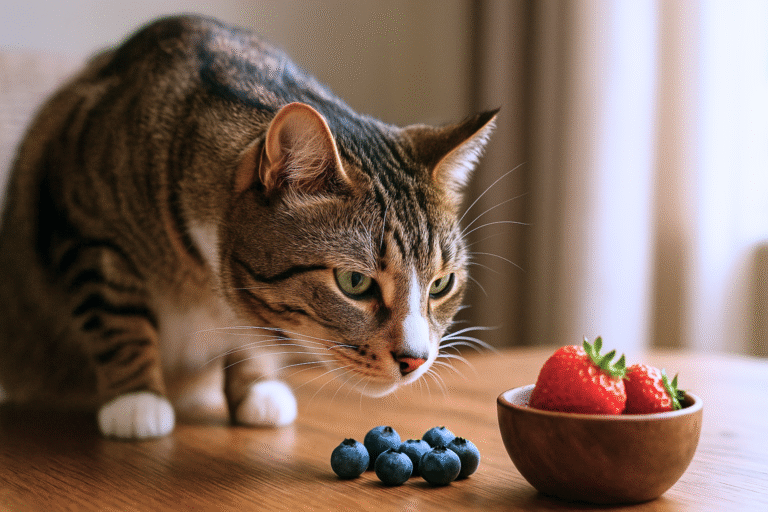
- Blueberries — Packed with antioxidants and low in sugar. Many cats enjoy them frozen.
- Cantaloupe — Mild and hydrating, a good occasional treat for curious cats.
- Watermelon — High in water and safe if seedless. Refreshing in summer.
- Pumpkin — Technically a fruit and a great source of fiber; helps with digestion.
All treats should be served in tiny amounts and only occasionally.
Vet’s Final Verdict
As tempting as it might be to offer your cat a cherry or two, the risks far outweigh any perceived benefits. From the cyanide in the pit and stem to the sugar in the flesh, cherries are a high-risk food for cats.
My advice? Keep cherries out of paw’s reach and opt for safer, cat-approved fruits if you want to share a snack. Your cat’s health — and your peace of mind — will thank you.
Reference: Can cats eat cherries? – ASPCA
Internal links: