Can Cats Eat Peaches? A Vet’s Advice on Fuzzy Fruit Safety
Cats are famously picky eaters, but that doesn’t stop curious owners from wondering: Can cats eat peaches? With their soft flesh, sweet aroma, and juicy bite, peaches seem like a harmless treat. But when it comes to feline safety, not all human foods are created equal. Let’s explore whether this fuzzy fruit belongs in your cat’s bowl.
What Are Peaches?
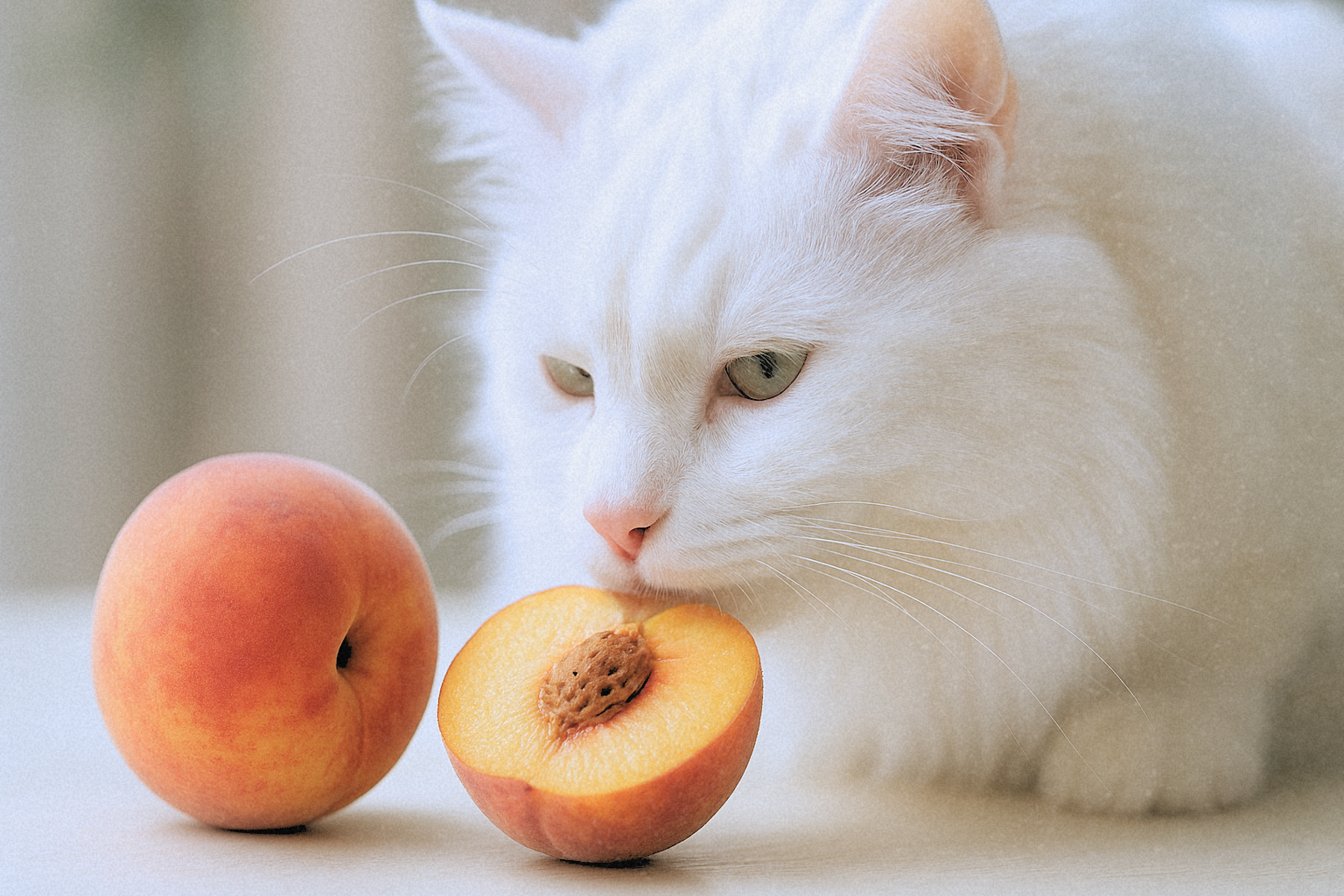
Peaches are stone fruits belonging to the Rosaceae family, which also includes cherries, apricots, and plums. Native to China but now grown worldwide, peaches are known for their soft, fuzzy skin, sweet juicy flesh, and large central pit. They’re rich in vitamins A and C and often enjoyed fresh, canned, or baked into desserts.
To us, they’re a nostalgic summertime snack. But to your cat, a peach is something entirely unfamiliar — and potentially dangerous.
Is It Safe for Cats to Eat Peaches?
In very small amounts, the flesh of a ripe peach is generally safe for healthy cats. However, it must be served properly — and that means completely peeled, pitted, and cut into tiny pieces.
The pit, stem, and leaves of the peach are all toxic to cats. These parts contain amygdalin, a compound that converts into cyanide when metabolized. While it would take a large amount to cause serious toxicity, cats are small creatures, and it doesn’t take much to put their health at risk.
Also, peaches are high in natural sugars, which aren’t beneficial to cats. Cats lack the taste receptors for sweetness and do not process sugar the way humans do. Over time, sugary fruits can contribute to digestive upset, obesity, and even diabetes in cats.
Are There Any Benefits for Cats?
Technically, peach flesh contains fiber, water, vitamin A, and antioxidants, but these nutrients don’t offer meaningful benefits to cats.
Unlike humans, cats are obligate carnivores. They’re biologically designed to get all of their essential nutrients — including vitamins and amino acids — from animal protein. While a peach may be hydrating, it’s not a necessary or particularly useful addition to a cat’s diet.
So, while a tiny bite might not hurt, it doesn’t help much either.
What Are the Risks?
Here’s where caution is crucial. The main dangers of feeding peaches to cats include:
- Choking hazard from the pit
- Cyanide toxicity from the pit, stem, or leaves
- Digestive upset, such as vomiting or diarrhea
- Allergic reactions (rare but possible)
- High sugar content leading to long-term metabolic issues
- Preservatives or syrup in canned peaches, which can be harmful
If your cat accidentally ingests part of the peach pit or shows signs like drooling, vomiting, dilated pupils, or trouble breathing — seek veterinary care immediately.
How to Feed Peaches to Cats (If You Must)
If you’re set on letting your cat taste a peach, here’s the only safe way to do it:
- Wash the peach thoroughly to remove pesticides.
- Peel the skin to avoid fuzz-related irritation.
- Remove the pit completely.
- Cut a very small amount (a half-teaspoon) of ripe peach flesh.
- Offer it as a rare treat only, and watch for any reaction.
Never feed canned peaches, peach jam, or any products with added sugars or preservatives.
Can Kittens Eat Peaches?
No. Kittens have more delicate digestive systems and developing organs, making them more vulnerable to even minor dietary imbalances or toxins. It’s best to avoid feeding any fruit — including peaches — to kittens altogether.
Stick with a veterinarian-approved kitten diet to ensure they grow up strong and healthy.
Safer Alternatives to Peaches
If you’re looking to share a snack with your cat, here are some safer options:
- Cooked pumpkin – Great for digestion and fiber.
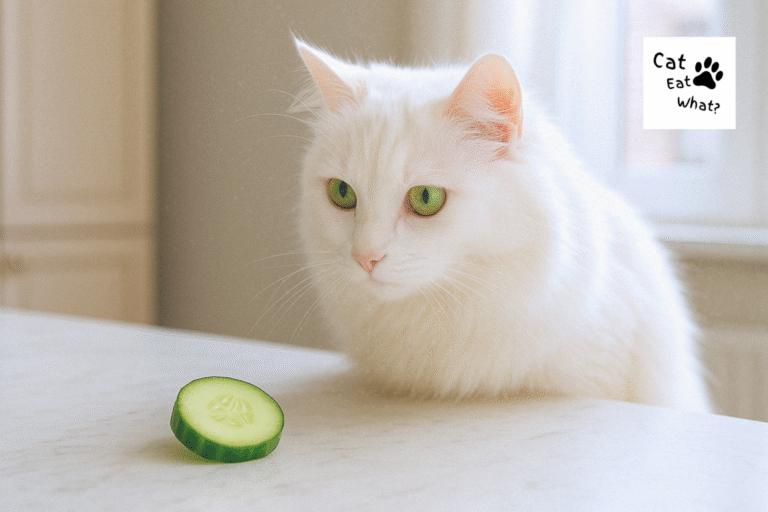
- Cucumber slices – Hydrating and low-calorie.
- Blueberries – Antioxidant-rich and often well-tolerated in small amounts.
- Frozen peas – A fun texture many cats enjoy.
Even these should be occasional treats only. Your cat’s primary nutrition should always come from a complete, balanced cat food.
Vet’s Final Verdict
Peaches are not toxic if properly prepared, but they’re not recommended as a regular treat either. The flesh is safe in moderation, but the pit, skin, and leaves pose real dangers — and the nutritional value for cats is minimal.
As a vet, I recommend you skip the peach and offer safer snacks instead. If your cat does steal a lick or a nibble, monitor them closely and don’t panic — but be ready to call your vet if you notice anything unusual.
Sometimes curiosity doesn’t kill the cat — but it can certainly cause a stomachache.
Reference:
Reference: Can cats eat cherries? – ASPCA