Can Cats Eat Watermelon? A Vet-Approved Guide for Safe Snacking
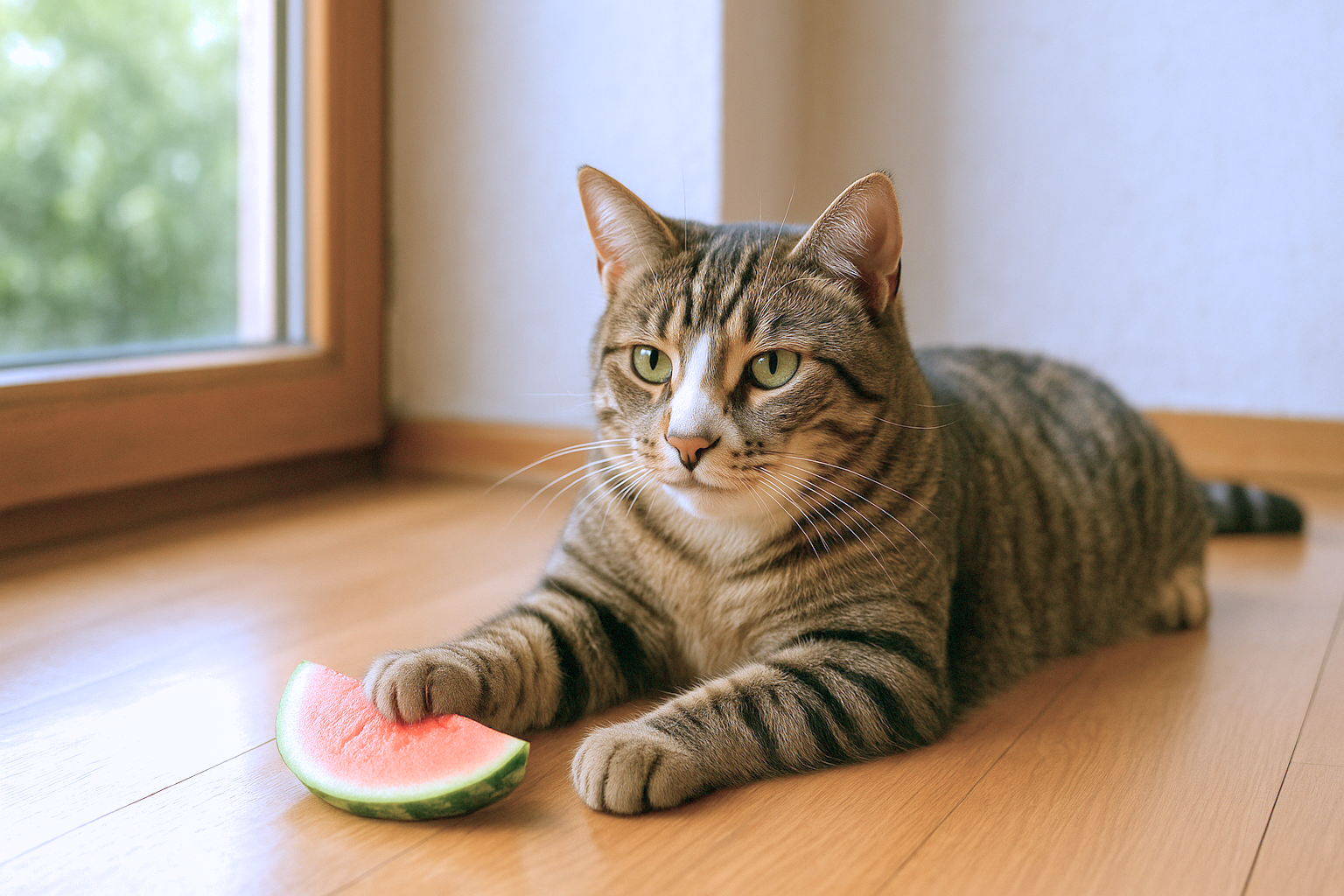
Watermelon is one of the most iconic summer fruits—sweet, juicy, and hydrating. But if your cat is eyeing your slice, you may wonder: can cats eat watermelon safely?
The short answer is yes—cats can eat watermelon in small amounts. It’s not toxic, and many cats enjoy the cool, wet texture. But there are also risks to know, and better treat options to consider.
Let’s break down what veterinarians say about watermelon, and how to offer it safely to your feline.
Is Watermelon Safe for Cats?
Yes, watermelon is non-toxic to cats. It contains over 90% water and small amounts of natural sugar. It doesn’t contain compounds harmful to felines—unlike grapes, onions, or chocolate.
According to the ASPCA, watermelon is not listed among toxic foods for cats.
That said, cats are obligate carnivores. They have no biological need for fruit. Watermelon can be a fun snack, but it provides no essential nutrients.
Think of it as a one-off treat, not a regular part of your cat’s diet.
Health Benefits of Watermelon (in Tiny Doses)
While it’s not nutritionally required, watermelon can offer a few small benefits:
- Hydration: Great on hot days or for cats that don’t drink much
- Novelty: New texture and smell = enrichment
- Low calories: A small bite won’t ruin their diet
That said, these benefits are minor compared to the value of proper cat food.
Risks of Feeding Watermelon to Cats
Feeding watermelon the wrong way—or too much—can cause issues:
- Seeds: Choking hazard and possible intestinal blockage
- Rind: Tough to digest, may cause vomiting or diarrhea
- Sugar: Not toxic, but cats can’t process sugar well—especially diabetic cats
- Overfeeding: Can lead to stomach upset, loose stool, or appetite changes
Important: Cats with diabetes, obesity, or digestive disorders should not eat watermelon.
How to Safely Feed Watermelon to Your Cat
Follow these simple steps:
Choose seedless watermelon
Remove all rind and skin
Cut into small, soft cubes (size of kibble)
Offer 1–2 pieces only
Watch for reactions for 24 hours (vomiting, diarrhea = stop)
Tip: Serve it cold on hot days—some cats enjoy licking it like ice.
Do Cats Like the Taste of Watermelon?
Cats don’t taste sweetness. Their taste receptors simply don’t recognize sugar.
So why do some cats seem to enjoy watermelon? It’s likely the texture and temperature, or just curiosity—especially if their human is eating it.
Some cats will lick, others will ignore it completely. Don’t force it.
Vet Recommendations
Most veterinarians agree that watermelon is safe for healthy cats in moderation. But it should never replace proper meat-based nutrition.
“A small bite now and then is fine, but cats should get their calories from animal protein, not fruit,” says Dr. Andrea Terran, feline nutrition specialist.
Better Treat Alternatives
Instead of fruit, here are vet-approved cat treats:
Freeze-dried chicken or salmon
Small piece of plain boiled egg
Vet-formulated commercial treats
Tuna juice (unsalted, water-based)
These options match your cat’s biology and offer real nutritional value.
Other Fruits Cats Can Eat
If your cat tolerates watermelon, they may also be okay with:
Bananas
Blueberries
Apples (no seeds)
Strawberries
Never feed: grapes, raisins, citrus fruits, or anything with added sugar.
Next read: Can Cats Eat Strawberries? Full Vet Answer
BONUS – Can Kittens Eat Watermelon?
Feeding watermelon to kittens is not recommended.
While it isn’t toxic, kittens have sensitive digestive systems and specific nutritional needs for growth. Even a small amount of fruit may cause stomach upset or diarrhea.
If your kitten is under 6 months old, stick to high-quality kitten food and approved treats. Save human food experiments for later—once their stomach and immune system are fully developed.
Conclusion
Yes, cats can eat watermelon—if it’s seedless, rind-free, and offered in small portions. It’s not harmful, but it’s not essential either.
Also, keep in mind that not all cats show interest in human food. That’s completely normal. Cats are individuals—some love to try what you’re eating, while others ignore everything that isn’t meat.
If your cat turns up its nose at watermelon, don’t worry. It’s not a necessary food. Just move on and try something more natural to their carnivore instincts.
Have you tried feeding your cat watermelon? Let us know in the comments!