Can Cats Eat Cheese? The Surprisingly Risky Truth About This Dairy Favorite
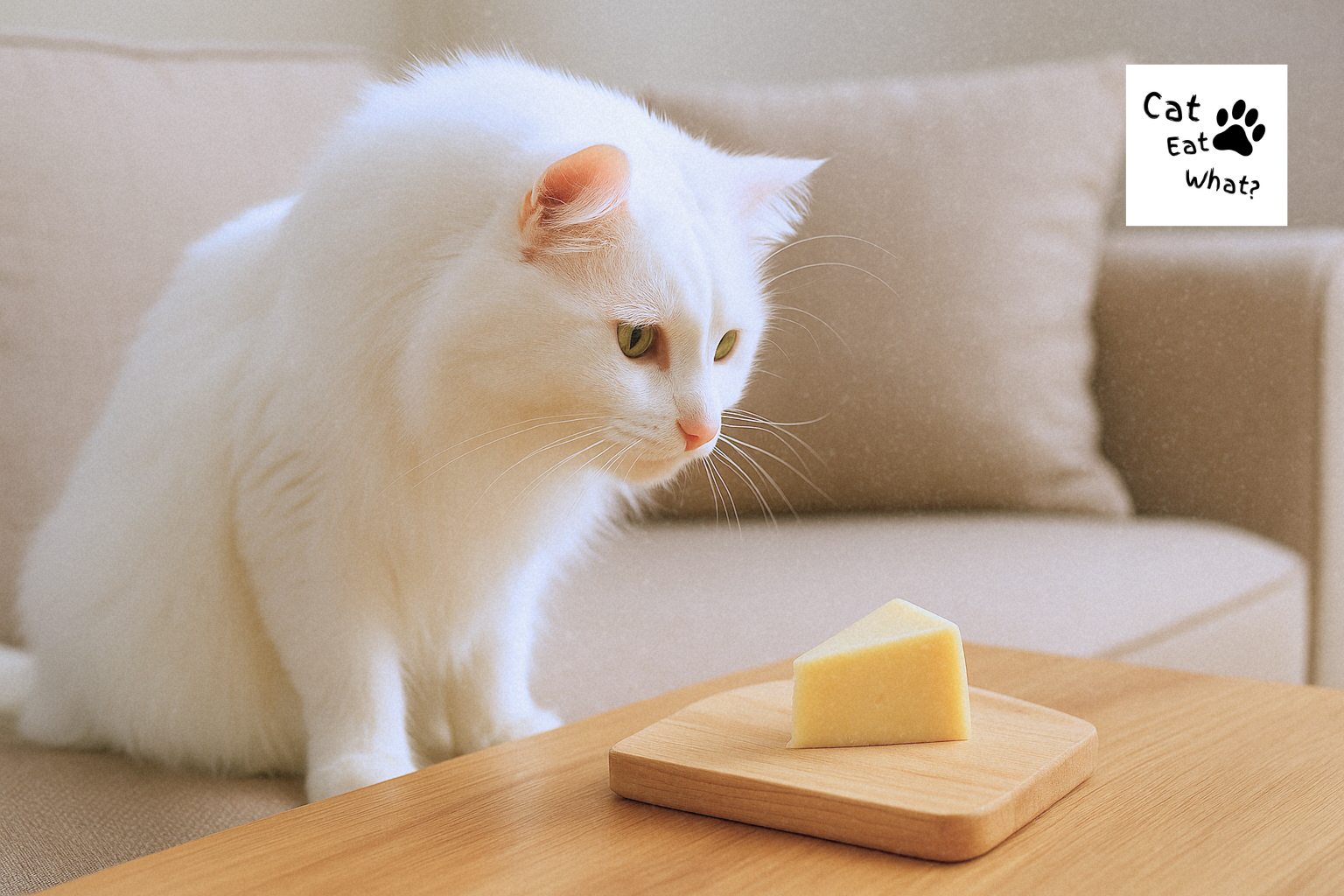
Cheese might seem like a harmless treat — after all, it’s packed with calcium and beloved by many animals in pop culture. But can cats eat cheese, or are we giving them something that does more harm than good? The truth about cats and cheese is more complex than it appears.
As a veterinarian, I often hear cat owners say, “My cat loves cheese!” But loving a food doesn’t always mean it’s safe. Let’s break down what cheese actually is, how cats react to it, and whether or not it belongs in your feline’s diet.
What Is Cheese?
Cheese is a dairy product made by curdling milk and fermenting the solids. Most cheese is made from cow’s milk, though goat, sheep, and even plant-based options exist. The process of cheesemaking introduces enzymes, bacteria, and salt — which all influence texture, flavor, and nutritional value.
Cheese typically contains:
- Milk proteins (casein and whey)
- Fats
- Lactose
- Sodium
- Calcium and phosphorus
While nutritious for humans in moderation, cheese is not designed for carnivorous animals like cats, and that makes a difference.
Is Cheese Safe for Cats?
Generally speaking: cheese is not toxic, but it’s not safe or beneficial either.
Most adult cats are lactose intolerant, which means they lack sufficient lactase enzyme to break down the lactose in dairy. Even aged cheeses (which have less lactose) can cause problems because of their high fat and sodium content.
A tiny nibble of cheese may not cause immediate symptoms, but larger or repeated portions can lead to:
- Diarrhea
- Vomiting
- Gas and bloating
- Dehydration
- Nutritional imbalance
So while cheese isn’t poisonous, it’s not a recommended food for cats — especially not regularly.
Are There Any Benefits of Cheese for Cats?
Not really — at least, not any benefits you can’t get from safer foods.
Cheese contains protein and calcium, but cats already receive better, more digestible forms of these nutrients from their complete cat food. The protein in cheese is dairy-based, not animal meat-based, which is less ideal for obligate carnivores.
And while some cats love the smell or taste of cheese, it’s more of a sensory treat than a health booster. In rare cases, a tiny amount of cheese can be used to hide a pill, but even then, vet-approved pill pockets are a much better option.
Risks of Feeding Cheese to Cats
Here are the biggest reasons to keep cheese off your cat’s plate:
- Lactose Intolerance: Leads to digestive issues in most adult cats.
- High Fat Content: Can contribute to obesity and pancreatitis.
- High Sodium Levels: Dangerous for feline kidneys over time.
- Additives and Preservatives: Flavored cheeses (e.g., garlic or onion cheese) are potentially toxic.
- Feeding Dependence: Cats may develop a taste for it and refuse balanced meals.
Even if your cat doesn’t have an immediate reaction, cheese can slowly undermine their digestive and kidney health.
Best Way to Offer It (If You Must)
If you’re determined to offer a cheese treat (say, for administering medicine), here’s how to do it safely:
- Choose a low-lactose cheese like aged cheddar or Swiss
- Offer no more than a pea-sized amount
- Avoid processed, flavored, or spiced cheeses
- Watch for signs of digestive upset
- Never use cheese as a daily treat
In short: treat cheese like a rare indulgence — not a snack.
Can Kittens Eat Cheese?
Absolutely not.
Kittens are still developing and should never be given cheese. Their digestive systems are even more sensitive than adults’, and cheese offers no benefit during their critical growth stages.
Kittens should only consume mother’s milk (or a vet-approved formula) and gradually transition to a nutritionally complete kitten food. Cheese at this stage can interfere with digestion, hydration, and growth.
Safer Alternatives to Cheese
Want to reward or treat your cat without risking their stomach? Try these vet-approved options instead:
- Cooked chicken or turkey – Plain, skinless, and boneless
- Freeze-dried meat treats – Single-ingredient, protein-rich
- Lactose-free cat milk – Formulated for feline digestion
- Wet cat food – Tasty and hydrating, perfect for treats
These alternatives keep your cat’s system happy while still making snack time enjoyable.
Vet’s Final Verdict
So, can cats eat cheese? Technically, yes — but they absolutely shouldn’t.
There’s no real upside to offering cheese, and the risk of digestive trouble is significant. Cats don’t need dairy in any form, and cheese is a particularly poor choice due to its fat, salt, and lactose content.
If your cat snuck a bite, don’t panic. But moving forward, stick to feline-safe treats that support their health — not undermine it.
References
Internal Links
- Can Cats Drink Milk?
- Can Cats Eat Yogurt?
- Can Cats Eat Eggs?
- Meet Osmo and Safka