Can Cats Eat Yogurt? The Surprisingly Tricky Truth About This Creamy Snack
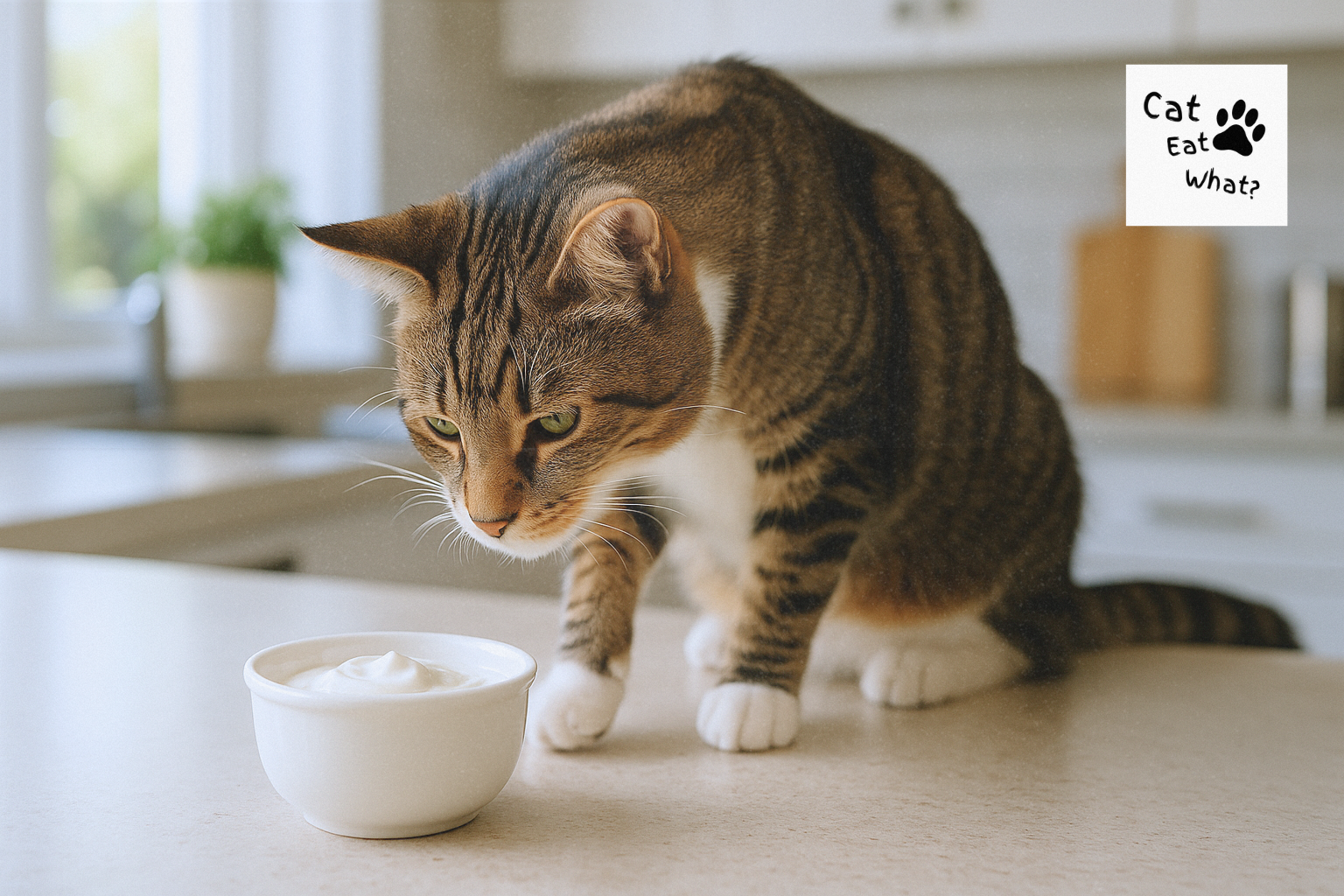
Is yogurt a safe snack for your cat, or is it a creamy mistake? As a veterinarian, I get this question more often than you’d think. Yogurt is popular in many human diets due to its probiotic benefits and creamy texture, but when it comes to cats, things get a little more complicated. So, can cats eat yogurt safely — or should you keep this dairy delight off the menu?
Let’s explore the truth behind yogurt and feline health.
What Is Yogurt?
Yogurt is a fermented dairy product made by adding live bacterial cultures to milk. These bacteria — most commonly Lactobacillus bulgaricus and Streptococcus thermophilus — convert lactose into lactic acid, giving yogurt its distinct tangy flavor and creamy texture. It’s widely consumed for its potential gut health benefits and high calcium content.
There are many types of yogurt on the market: plain, Greek, flavored, low-fat, high-protein, and varieties loaded with sugars, fruit, or artificial sweeteners. And that’s exactly where things get risky when it comes to cats.
Is Yogurt Safe for Cats?
In small amounts and under the right conditions, plain, unsweetened yogurt is generally safe for most adult cats. The fermentation process breaks down much of the lactose in the milk, making it easier to digest than unfermented dairy products like milk or cream.
That said, not all cats tolerate even small amounts of lactose well. Many adult cats are lactose intolerant, which means even fermented dairy can lead to mild digestive upset. If your cat has never had yogurt before, it’s best to offer a tiny amount and monitor for signs of diarrhea or stomach discomfort.
Importantly, flavored yogurts, those with added sugars, or anything containing xylitol are dangerous and must be strictly avoided.
Are There Any Benefits of Yogurt for Cats?
Yogurt does offer some potential benefits when fed responsibly:
- Probiotics: Live active cultures may support gut flora, especially after antibiotic use. However, the strains used in human yogurt may not always benefit feline digestion.
- Calcium and Protein: Yogurt is a good source of both, which support muscle and bone health.
- Palatability: Some picky eaters enjoy the texture and taste, which can be useful when giving medications or supplements.
Still, these benefits are modest and not a reason to go out of your way to feed yogurt to your cat. A well-balanced cat food already provides complete nutrition.
What Are the Risks?
Despite the possible perks, yogurt comes with some clear risks:
- Lactose Intolerance: Even low-lactose yogurts can trigger digestive issues like bloating, gas, and diarrhea in sensitive cats.
- Added Sugars and Flavors: Fruit yogurts often contain high amounts of sugar, artificial flavors, or preservatives. These can contribute to weight gain or gastrointestinal upset.
- Toxic Ingredients: Xylitol (a common sweetener in sugar-free yogurts) is highly toxic to cats, causing a dangerous drop in blood sugar.
- Hidden Ingredients: Some flavored yogurts contain chocolate or caffeine-containing additives — both toxic to cats.
Always read the label, and when in doubt, skip it.
Best Way to Offer Yogurt to Your Cat
If you decide to offer your cat a taste, follow these safety tips:
- Choose plain, unsweetened, unflavored yogurt — Greek yogurt is a good option due to its thickness and high protein content.
- Stick to a teaspoon or less — this is enough for a treat without overloading your cat’s digestive system.
- Avoid mixing it with fruits, honey, or other human toppings.
- Watch closely for 24 hours after the first introduction to see how your cat reacts.
Never replace meals with yogurt. It’s a snack, not a staple.
Can Kittens Eat Yogurt?
Kittens are more likely to handle small amounts of lactose since they naturally drink milk from their mothers. However, their digestive systems are still developing and are easily disrupted. Yogurt should not be given to kittens under 8 weeks of age, and even after weaning, it’s best to wait until they’re fully adjusted to solid foods.
For kittens, it’s safer to avoid dairy altogether unless advised by your vet.
Safer Alternatives to Yogurt for Cats
Looking for creamy or probiotic-rich treats? These options are safer and more appropriate for cats:
- Commercial cat yogurt treats – Formulated specifically for feline digestion
- Plain cooked pumpkin – Soothes the digestive tract and offers fiber
- Boiled chicken or turkey – High-protein, safe, and tasty
- Lactose-free cat milk – Formulated to prevent digestive issues
Always choose treats that are formulated for feline digestion over human food, no matter how healthy it seems for us.
Dr. Fox’s Final Verdict
So, can cats eat yogurt?
Yes — but only plain, unsweetened, unflavored yogurt in small quantities and only if your cat tolerates it well. Never offer flavored varieties or those containing xylitol or sugar. While a teaspoon of plain Greek yogurt may be a fun, occasional snack, it’s not necessary or particularly beneficial for your cat’s health.
When it comes to feline treats, it’s better to stay species-specific. Your cat’s digestive system is not designed for dairy — even the creamy, probiotic-rich kind we enjoy.
References
Related Posts
- Can Cats Eat Cheese?
- Can Cats Drink Milk?
- Can Cats Eat Ice Cream?
- Meet Osmo and Safka