Can Cats Drink Milk? The Surprising Truth Behind This Classic Myth
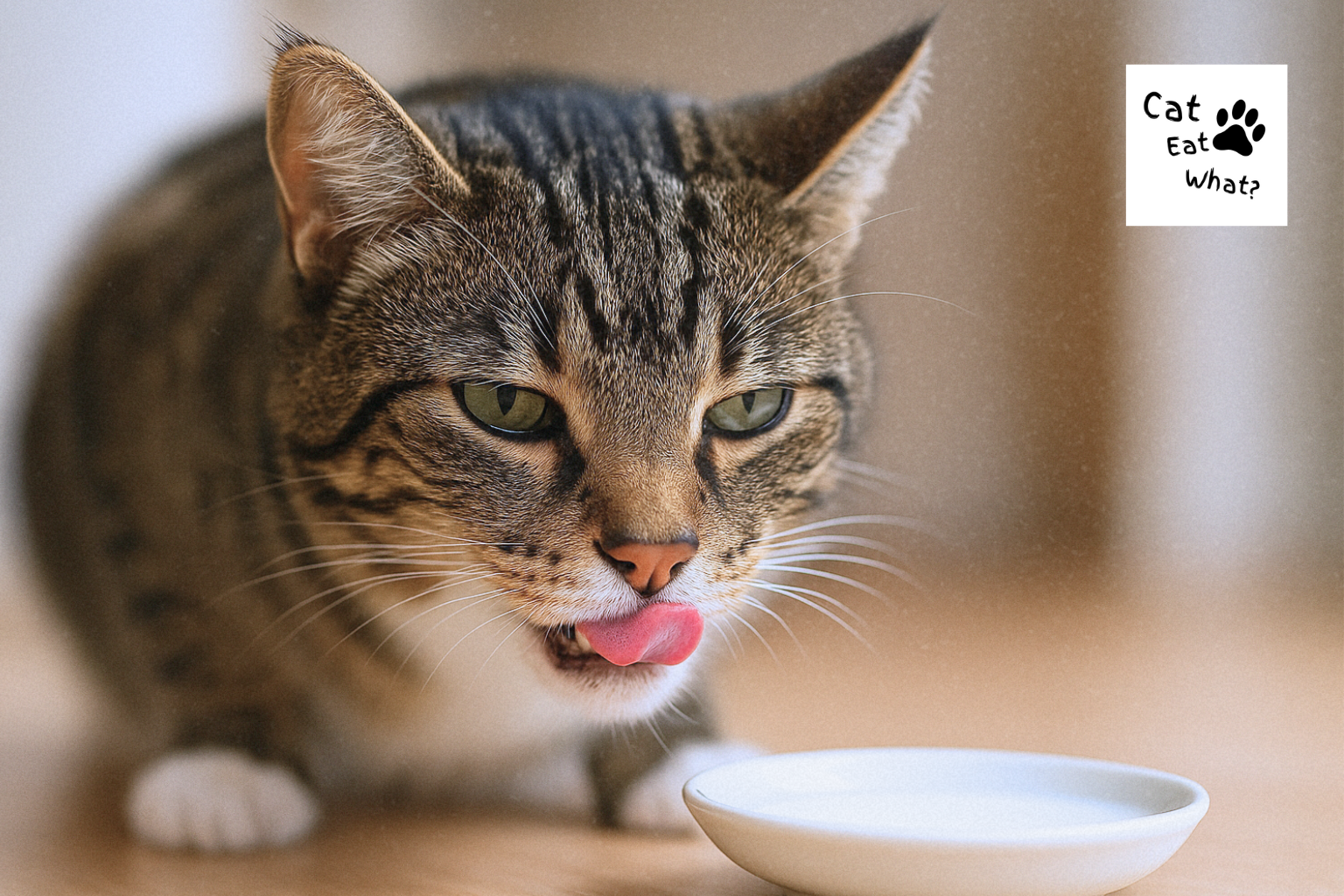
Is milk actually good for cats, or have we all been misled by cartoons and tradition? You’ve probably seen the classic image of a kitten happily lapping up a bowl of milk. But can cats drink milk safely, or is it more harmful than helpful? As a veterinarian, I get asked this a lot — and the real answer might surprise you.
Let’s take a look at whether milk is safe for cats, the science behind feline digestion, and what you should know before pouring that bowl.
What Is Milk, Really?
Milk is the nutrient-rich liquid produced by mammals to feed their young. Most people think of cow’s milk, which contains water, fats, proteins (mainly casein and whey), lactose (a natural sugar), and various vitamins and minerals like calcium, vitamin D, and potassium.
Cow’s milk is designed for calves — not cats — and this distinction matters when it comes to digestion. Many store-bought milks also come in variations like skim, whole, lactose-free, or plant-based alternatives (which are completely different in composition).
Is Milk Safe for Cats?
In short: not really — especially not on a regular basis.
Most adult cats are lactose intolerant. While kittens are born with the enzyme lactase, which helps digest lactose in their mother’s milk, they gradually produce less of it after weaning. This means that many adult cats struggle to properly digest cow’s milk.
When a cat drinks milk, the undigested lactose travels through the digestive tract and can cause gastrointestinal upset, including bloating, gas, cramping, and diarrhea. In small amounts, it might not cause immediate issues, but it certainly isn’t a necessary or beneficial part of a cat’s diet.
So while it may not be toxic, cow’s milk is not a safe or recommended treat for most cats.
Are There Any Benefits of Milk for Cats?
Technically, milk contains some nutrients that are beneficial to all mammals: calcium, protein, and certain vitamins. But in cats, these are not bioavailable in a useful or safe way through milk.
Your cat can get everything they need from a complete, balanced feline diet. There is no nutritional requirement for milk in adult cats. And because of the risks of intolerance, any possible benefit is outweighed by the potential for digestive trouble.
If you’re looking for a calcium or hydration boost, safer alternatives exist.
Risks of Giving Milk to Cats
Here’s what can go wrong when a cat consumes milk:
- Diarrhea – Often the first and most common symptom
- Stomach pain and cramping
- Flatulence
- Dehydration – Ironically, diarrhea can lead to dehydration
- Weight gain – Milk contains calories your cat doesn’t need
- Picky eating habits – Offering milk might reduce their interest in proper meals
Even a few tablespoons of milk can upset a sensitive stomach. And repeated exposure to milk can lead to chronic digestive discomfort — something most cat parents don’t notice until long-term symptoms set in.
How to Offer Milk Safely (If You Must)
If you absolutely want to treat your cat to a milk-like experience, use lactose-free cat-specific milk sold in pet stores. These are specially formulated with reduced or no lactose and are safe in small, occasional amounts.
If you’re considering a small taste of regular milk, follow these tips:
- Offer no more than a tablespoon
- Choose whole milk (as skimmed milk can have more lactose)
- Monitor closely for any signs of digestive upset
- Never give milk daily — treat it as an extremely rare indulgence
Can Kittens Drink Milk?
Only if it’s their mother’s milk or a vet-approved kitten formula.
Kittens under 8 weeks old should be nursing from their mother or receiving specially formulated kitten replacement milk (KMR). Never give cow’s milk to kittens, as their systems are still very fragile. It lacks essential nutrients for development and can cause severe diarrhea and malnutrition.
Once a kitten is weaned (around 8–10 weeks), their ability to digest lactose begins to decline, and cow’s milk becomes inappropriate even for them.
Healthier Dairy-Free Alternatives
Instead of offering milk, try one of these feline-friendly, safe treats:
- Fresh, clean water — Always the best hydration source
- Wet cat food or broth — Adds flavor and moisture
- Cat-specific lactose-free milk — Formulated for feline digestion
- Cooked plain chicken or tuna — A safe, high-protein snack
All of these options are safer, more digestible, and more nutritionally relevant to your cat’s actual needs.
Vet’s Final Verdict
Despite what cartoons told us, milk is not a healthy or safe treat for cats. While some cats may tolerate small amounts, the majority are lactose intolerant and can experience uncomfortable digestive symptoms after drinking milk.
As a vet, I do not recommend giving cow’s milk to adult cats or kittens. There are better, safer, and more species-appropriate ways to treat your cat and show them love.
If your cat has been drinking milk without visible issues, consider removing it anyway — long-term health depends on consistent, balanced nutrition, not empty rituals.
References
Internal Links
- Can Cats Eat Cheese?
- Can Cats Eat Yogurt?
- Can Cats Eat Eggs?
- Meet Osmo and Safka