Can Cats Eat Carrots? A Vet’s Guide to Crunchy Safety
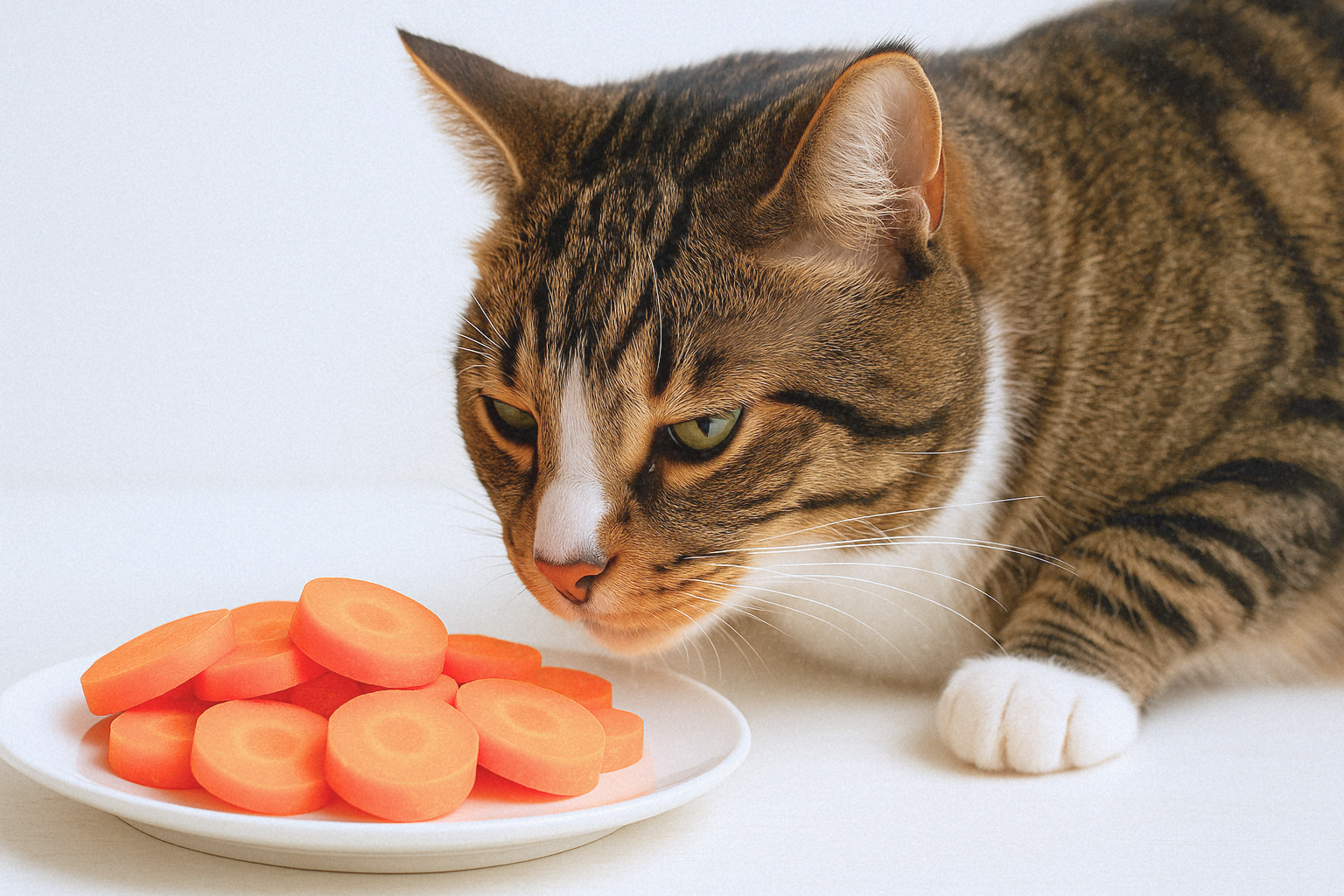
Cats often show interest in whatever’s on our plate — especially if it smells sweet or makes a satisfying crunch. Carrots fit both. But before you share this orange root veggie with your feline, it’s smart to ask: Can cats eat carrots?
The short answer: yes, in moderation. But there’s more you should know to keep your cat safe and healthy. Let’s explore the full picture from a vet’s perspective.
What Are Carrots?
Carrots are root vegetables, typically orange, though they also come in purple, yellow, red, and white varieties. Known for their crisp texture and natural sweetness, they’re a staple in human diets and packed with beta-carotene — a pigment that the body converts into vitamin A. Carrots can be eaten raw, steamed, roasted, or puréed and are often used in soups, salads, and snacks.
For humans, carrots support eye health, skin, and immune function. But what about cats?
Are Carrots Safe for Cats?
Yes — carrots are non-toxic to cats and safe when served properly. According to the ASPCA, carrots do not appear on the list of poisonous foods for felines.
That said, cats are obligate carnivores, meaning their bodies are built to digest animal proteins. While a few cooked carrot pieces won’t hurt, their digestive systems can’t efficiently break down plant fiber. Offering too much may lead to stomach upset, vomiting, or diarrhea.
The key? Cooked and small.
Do Carrots Offer Any Benefits for Cats?
Carrots aren’t essential for feline nutrition, but they may offer minor benefits:
- Low-calorie treat: For cats prone to weight gain, a few steamed carrot pieces can serve as a low-fat snack.
- Beta-carotene: Though cats can’t convert it into active vitamin A (they need preformed vitamin A from meat), beta-carotene is still an antioxidant.
- Texture enrichment: Soft-cooked carrots can add variety to your cat’s feeding routine, which is especially helpful for picky eaters or senior cats needing softer food.
Still, carrots should never replace meat-based cat food or essential nutrients like taurine.
What Are the Risks?
There are a few risks to watch for:
- Choking hazard: Raw carrots are hard and slippery. If a cat tries to chew or swallow large pieces, especially kittens or small breeds, choking is a real danger.
- Digestive upset: Cats lack enzymes to digest complex plant carbohydrates. Too much carrot, especially raw, may cause gas or diarrhea.
- Blood sugar concerns: Carrots have a higher glycemic index than many vegetables. While not toxic, they should be limited in diabetic cats.
Avoid carrots glazed with sugar, honey, butter, or spices — these additives are not safe for cats.
Best Way to Serve Carrots to Cats
If you want to offer your cat a carrot snack, follow these tips:
- Cook it first: Steaming or boiling softens the fibers and makes digestion easier.
- Cut into tiny pieces: Dice or mash into very small portions to prevent choking.
- Skip the seasoning: Serve plain — no salt, sugar, butter, or oil.
- Start slow: Introduce new foods gradually and watch for any adverse reaction.
Some cat parents even blend cooked carrots into homemade wet food recipes (vet-supervised, of course).
Can Kittens Eat Carrots?
Kittens should not eat carrots — at least not in their early months.
Their digestive systems are still developing and should be focused on high-protein, species-appropriate food. Even a soft carrot might overwhelm a small kitten’s gut. Once they’re older than six months and fully weaned, you can occasionally offer a small piece of cooked carrot as a treat — but check with your vet first.
Safer Alternatives to Carrots
If you’re looking for cat-safe snack ideas, consider these instead:
- Pumpkin (plain, canned) — Good for digestion and safe in small amounts.
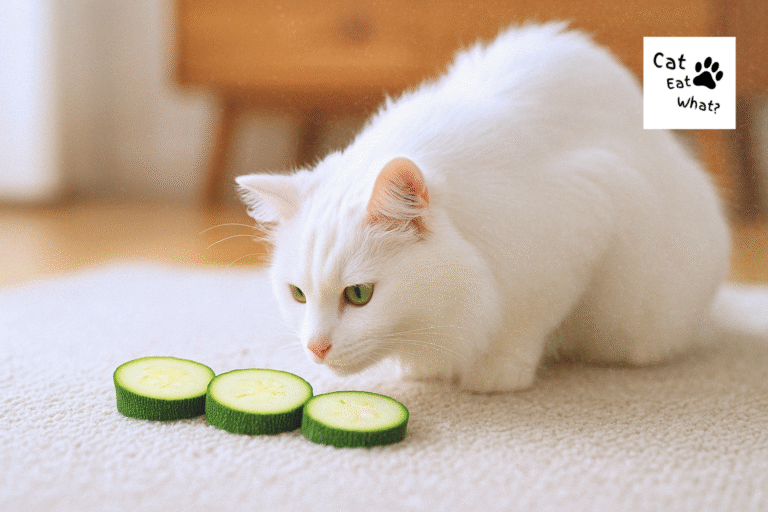
- Zucchini — Mild, soft when cooked, and well-tolerated by most cats.
- Peas — High in protein for a plant food, and often used in quality cat foods.
- Commercial treats — Formulated for feline digestion and safety.
Always choose alternatives based on your cat’s health condition and vet approval.
Vet’s Final Verdict
Can cats eat carrots? Yes — in small, cooked portions, they’re safe and can even be a fun little treat. But they’re not necessary, and they offer limited nutritional value for cats. Think of carrots like popcorn for humans — enjoyable in moderation but not a dietary cornerstone.
Stick to your cat’s primary protein-rich diet and keep veggies like carrots as occasional extras. When in doubt, consult your veterinarian — especially if your cat has food sensitivities or chronic conditions.