Can Cats Eat Blueberries? A Vet-Approved Safety Guide
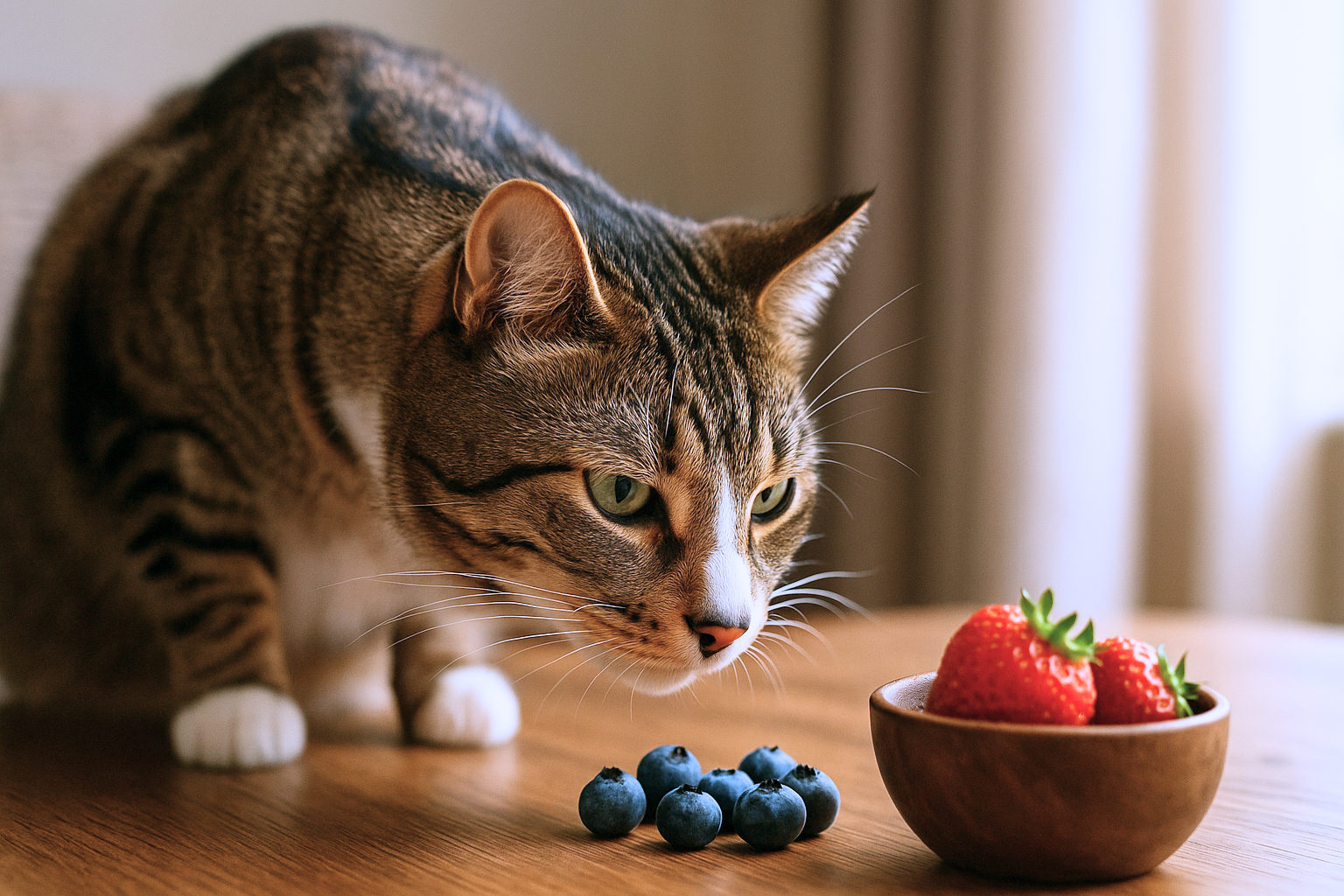
If you’ve ever dropped a blueberry on the floor and your cat darted toward it, you’ve probably asked yourself: Can cats eat blueberries? The answer is yes—but only in small, occasional amounts.
While blueberries are non-toxic to cats, they are not necessary for a feline’s nutrition. Cats are obligate carnivores, meaning their diet should consist primarily of meat. Still, blueberries can be a safe and sometimes fun treat—if you follow a few simple rules.
Are Blueberries Safe for Cats?
Yes—blueberries are safe for cats when fed properly. According to the ASPCA’s official list of non-toxic foods, blueberries are not harmful to felines.
They’re low in calories, contain water and antioxidants, and have no dangerous compounds like grapes or raisins. That said, too many can lead to digestive upset, especially in cats with sensitive stomachs.
💡 Important: Always serve fresh, plain blueberries—never sweetened, dried, or baked into human food.
Do Cats Like Blueberries?
Some do, many don’t. Cats lack sweet taste receptors, so they won’t crave blueberries the way we do. But some cats enjoy the texture, coolness, or novelty.
Ways your cat might react:
- Lick or bat it like a toy
- Bite into it and walk away
- Ignore it entirely
If your cat seems curious, it’s okay to offer one or two and see how they respond.
Nutritional Facts (for Humans vs. Cats)
Blueberries are rich in:
- Antioxidants (like anthocyanins)
- Vitamin C
- Fiber
- Water
But cats don’t need these the way humans do. Their bodies are designed to extract nutrients from animal tissue, not plants. So while blueberries won’t hurt, they don’t provide essential nutrition either.
How to Serve Blueberries to Cats
If you decide to offer blueberries, follow these safety tips:
- Wash thoroughly – remove pesticides and dirt
- Cut in half or mash – whole berries can be a choking hazard
- Serve raw and plain – no sugar, syrup, or cooking
- Start small – give 1–2 pieces and monitor for 24 hours
- Never feed daily – think of blueberries as a rare treat
🐾 One or two berries once a week is more than enough.
Are Blueberries Ever Dangerous for Cats?
While not toxic, they can cause issues if:
- Your cat eats too many → diarrhea or vomiting
- They’re fed with sugary coatings or baked into desserts
- The berries are moldy or spoiled
- Your cat is diabetic or has food sensitivities
When in doubt, consult your vet before introducing new human foods.
Can Kittens Eat Blueberries?
No—kittens have delicate digestive systems.
Stick to high-quality kitten food and avoid non-essential treats until they’re older than 6 months.
What If My Cat Doesn’t Like Them?
That’s perfectly normal. Most cats won’t touch fruit.
Instead, focus on high-protein treats like:
- Freeze-dried chicken or salmon
- Plain cooked egg
- Water-packed tuna (no salt or oil)
These mimic your cat’s natural prey and are much more species-appropriate.
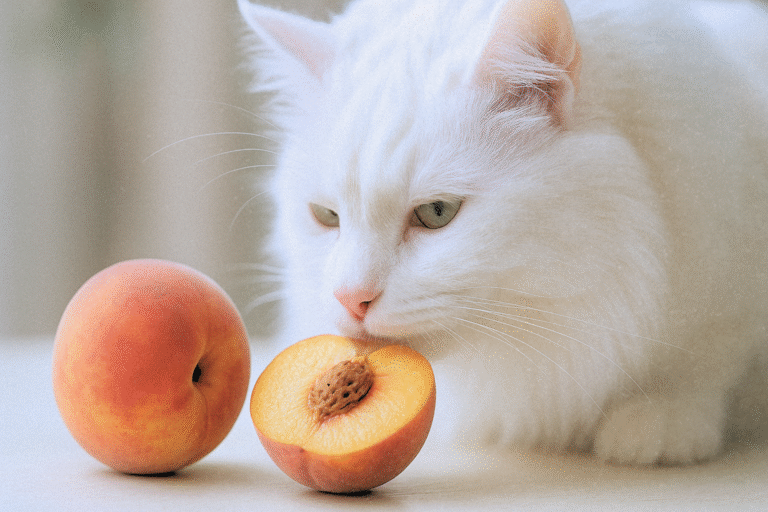
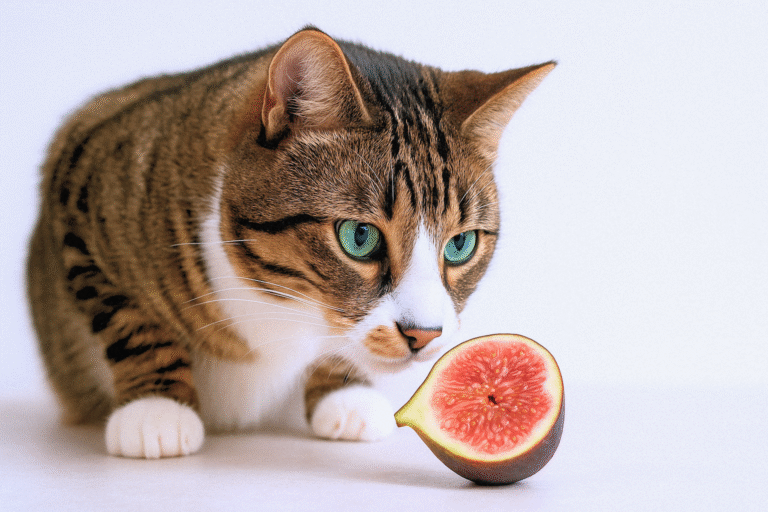
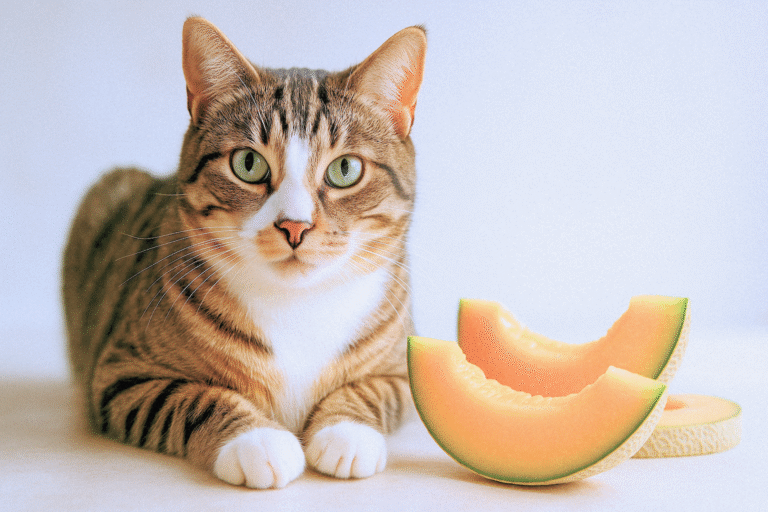
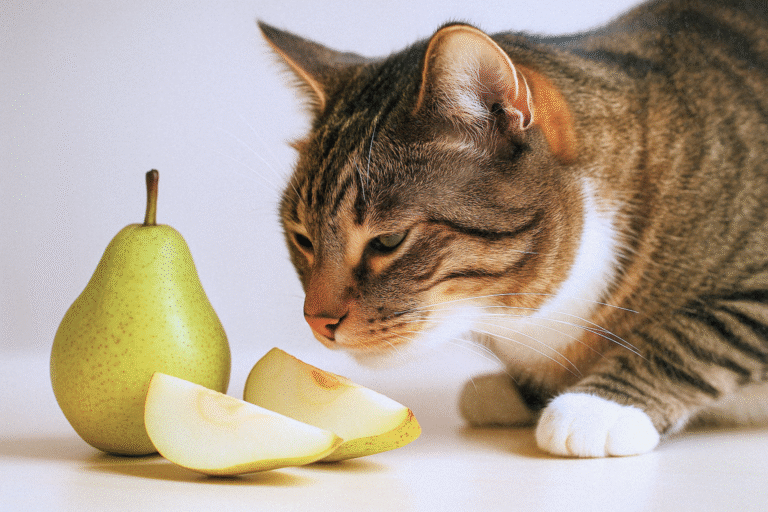
Other Fruits Cats Can Try (Rarely):
- Watermelon 🍉
- Strawberries 🍓
- Banana 🍌
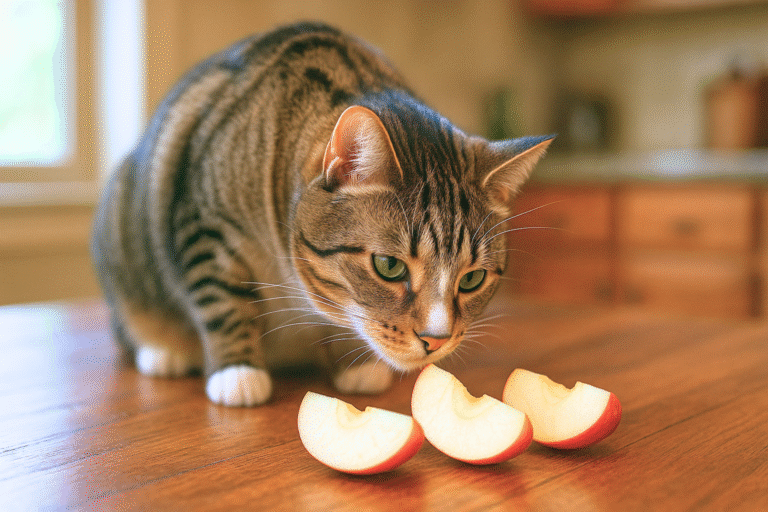
- Apple (no seeds or core) 🍏
Never feed: grapes, raisins, citrus, avocado, or dried fruit.
Conclusion
So, can cats eat blueberries? Yes—in moderation, as an occasional treat.
They’re non-toxic, low in calories, and might even entertain a curious cat. But they’re not a necessary part of your pet’s diet.
Serve safely, observe carefully, and always put your cat’s primary nutrition first.
For a deeper dive into safe fruits, check out our other guides like Can Cats Eat Strawberries?