Can Cats Eat Tomatoes? A Juicy Snack or a Risky Bite?
Tomatoes are a staple in kitchens around the world, but can cats eat tomatoes safely? While they may seem harmless on your plate, tomatoes carry some serious risks when it comes to feline health. In this article, we’ll explore everything cat owners need to know before letting their pet near this popular fruit.
What Are Tomatoes?
Tomatoes are technically fruits, though most people treat them as vegetables. Belonging to the nightshade family (Solanaceae), tomatoes come in many forms: cherry tomatoes, grape tomatoes, beefsteak, heirloom, and more. They’re rich in antioxidants, vitamins C and K, folate, and potassium, and often used in sauces, salads, or eaten raw.
While they’re nutritious for humans, the nightshade family includes several plants that are toxic to animals — including cats. This is where things get complicated.
Are Tomatoes Safe for Cats?
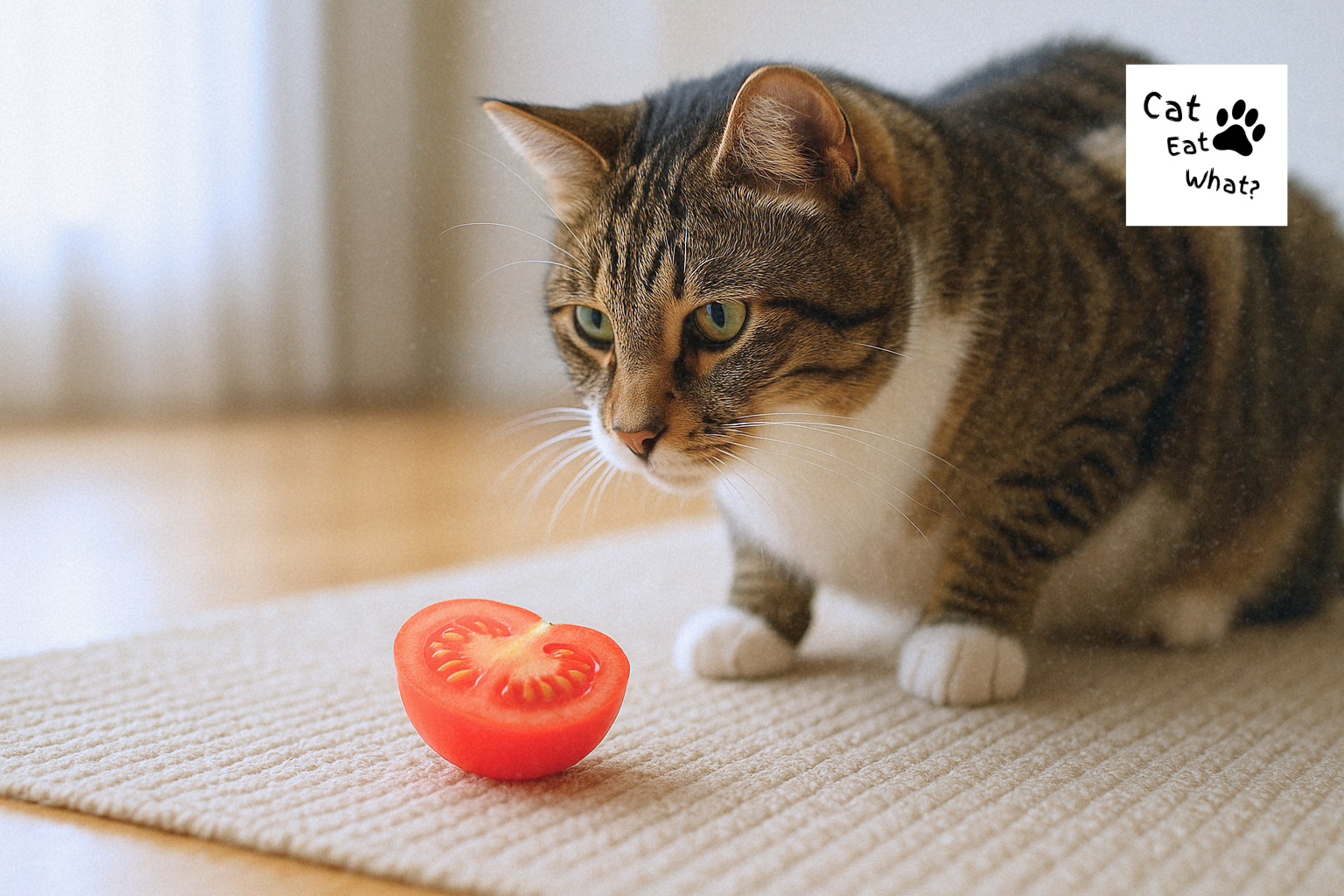
Ripe tomatoes in small quantities are generally safe for most adult cats. However, the green parts of the plant — including the leaves, stems, and unripe (green) tomatoes — contain solanine, a compound toxic to cats. Even a small nibble on a leaf or green tomato could result in gastrointestinal distress, lethargy, or worse.
In other words, while a fully ripened tomato slice might not harm your cat, the rest of the plant certainly can.
Are There Any Benefits to Cats?
Ripe tomatoes offer no meaningful health benefits for cats. Although tomatoes contain antioxidants like lycopene and small amounts of fiber and vitamin C, cats are obligate carnivores and don’t need plant-based nutrients.
Your cat’s digestive system isn’t built to extract or process most nutrients from fruits or vegetables. So even if your cat nibbles a piece of ripe tomato, it doesn’t contribute much — if anything — to their well-being.
What Are the Risks?
This is where tomato safety becomes more serious. The solanine found in unripe tomatoes and the plant itself is toxic to cats. Symptoms of tomato poisoning may include:
- Drooling
- Vomiting
- Diarrhea
- Weakness
- Lethargy
- Confusion or disorientation
- Tremors or seizures (in severe cases)
Even ripe tomatoes can cause stomach upset in sensitive cats. And if the tomato is seasoned (e.g., part of a salad or pasta), ingredients like onions, garlic, salt, or oil add extra danger.
How to Feed Tomatoes (If You Choose To)
If you’re determined to offer your cat a taste of tomato:
- Only use ripe, red tomatoes
- Wash thoroughly to remove pesticides
- Remove all seeds and skin to reduce irritation
- Cut into a small, plain piece with no seasoning
- Offer just a tiny bite — about the size of a fingernail
Even then, most veterinarians would advise skipping tomatoes altogether. They’re simply not worth the risk when safer treats exist.
Can Kittens Eat Tomatoes?
Absolutely not. Kittens have more sensitive digestive systems and are still developing immunity. Even ripe tomato flesh could upset their stomach. And the chance of accidentally ingesting something toxic — like unripe bits or green parts — is simply too high.
Until your cat is fully grown and has a proven tolerance to new foods, avoid tomatoes completely.
Safer Alternatives for Cats
If you’re looking for cat-safe fruits and veggies to share, here are some vet-approved options:
- Cooked carrots (soft, plain)
- Steamed zucchini
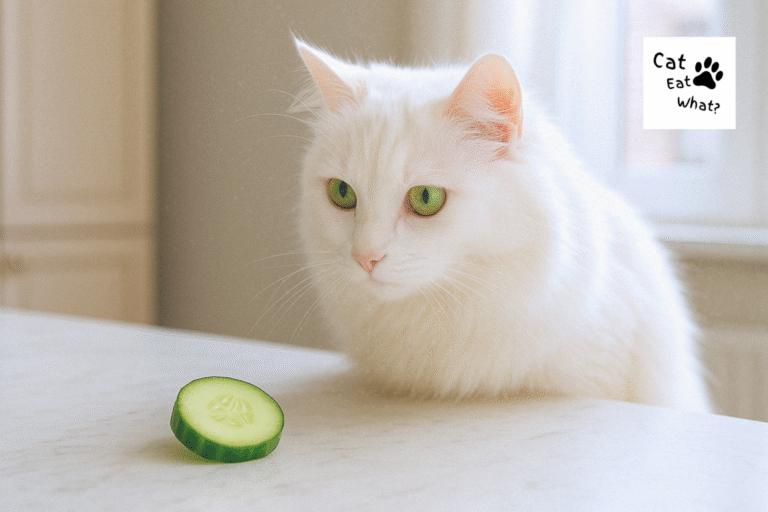
- Cucumber slices
- Cooked pumpkin or squash
- Blueberries (in moderation)
All of these are safer than tomatoes and may even offer mild digestive benefits — with much lower toxicity risk.
Vet’s Final Verdict
Can cats eat tomatoes? Technically, yes — but only if they’re fully ripe and served in very small amounts. Still, the dangers posed by unripe tomatoes and green parts of the plant make tomatoes a high-risk, low-reward option for cats.
As a veterinarian, I recommend avoiding tomatoes altogether, especially when safer, tastier alternatives exist. Your cat won’t miss them — and you’ll avoid unnecessary stress or emergency vet visits.