Can Cats Eat Sour Cream? Tangy Treat or Tummy Trouble?
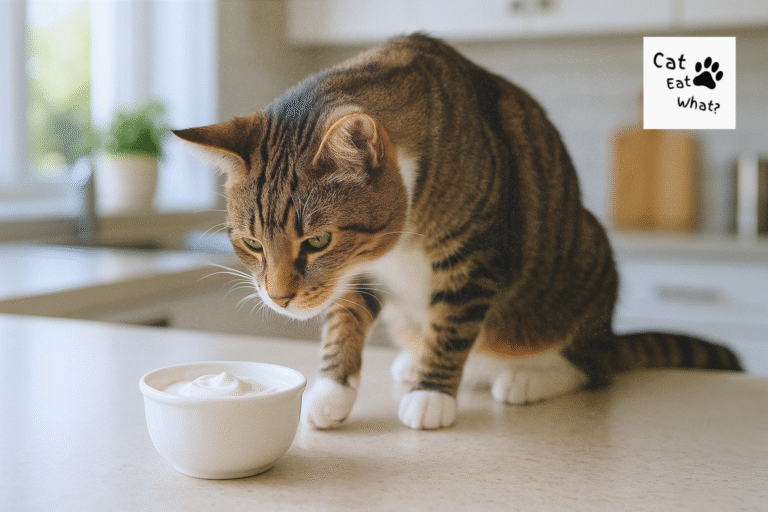
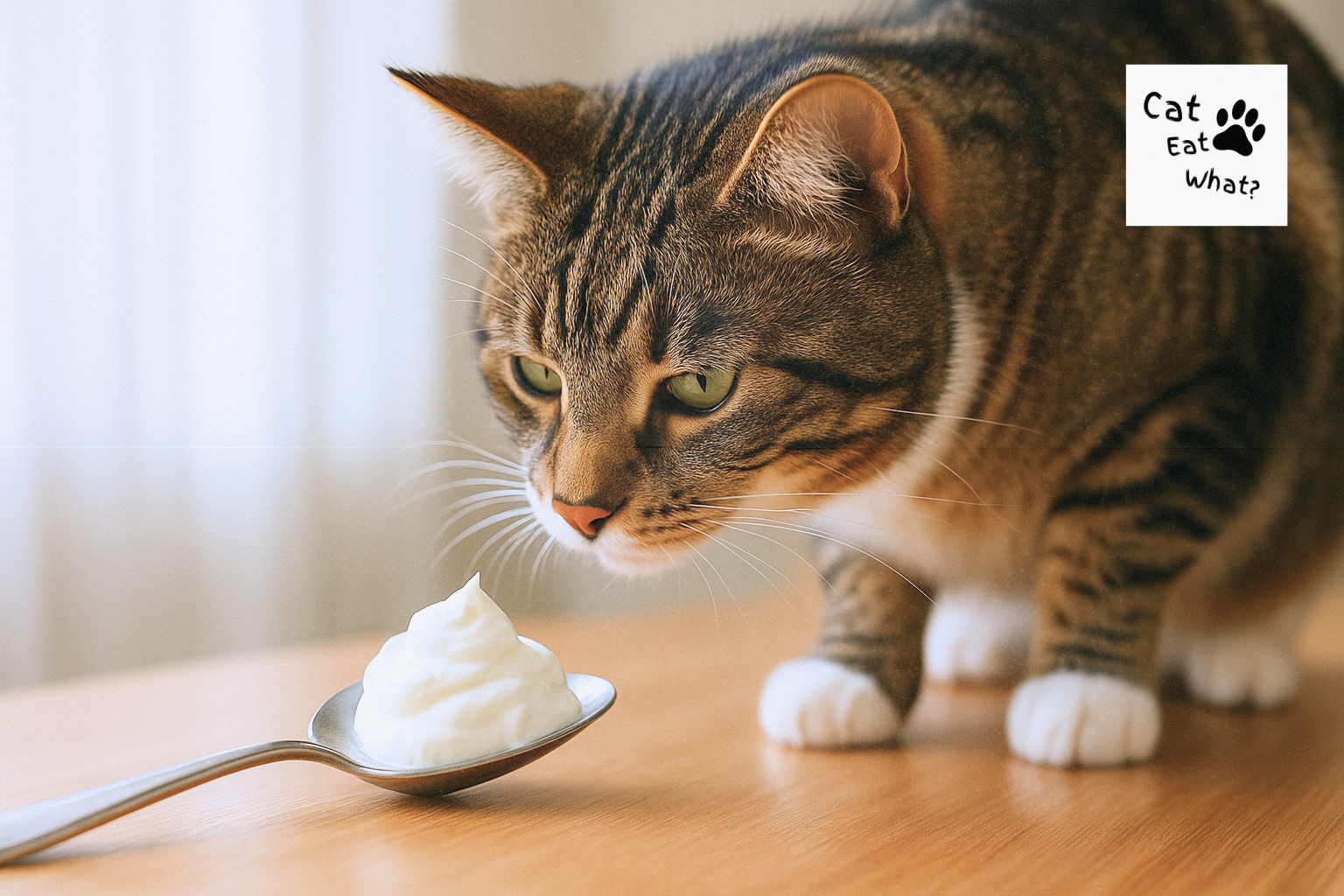
Sour cream is creamy, tangy, and a popular addition to baked potatoes, dips, soups, and sauces. Many cats are curious about dairy products, and if you’ve ever left a spoon of sour cream unattended, you might have noticed your cat trying to sneak a lick. But the question is: Can cats eat sour cream safely?
As a veterinarian-led resource, we’ll explore what sour cream is, whether it’s safe for cats, the risks and potential benefits, and safer alternatives for your feline friend.
What Is Sour Cream?
Sour cream is made by fermenting regular cream with lactic acid bacteria. The fermentation process thickens the cream and gives it a tangy flavor. Commercial sour cream may also contain stabilizers, thickeners, or other additives to improve texture and shelf life.
While sour cream is a tasty and versatile ingredient for people, it contains dairy, fat, and sometimes added ingredients that can cause problems for cats.
Is Sour Cream Safe for Cats?
The short answer: It’s not toxic, but it’s not recommended.
While a small lick of plain sour cream is unlikely to cause serious harm to a healthy adult cat, sour cream can still upset their digestive system, especially if given in larger amounts or regularly.
Why sour cream isn’t ideal for cats:
- Lactose intolerance – Like most adult cats, your feline probably lacks enough lactase (the enzyme needed to digest lactose), which can lead to digestive upset.
- High fat content – Sour cream is rich in fat, which can contribute to weight gain and even trigger pancreatitis in sensitive cats.
- Additives – Some sour cream brands contain thickeners, stabilizers, or flavorings that could irritate a cat’s digestive system.
- No nutritional necessity – Cats don’t need dairy products to meet any of their nutritional needs.
Any Benefits for Cats?
Nutritionally, sour cream offers very little benefit to cats.
- Fat and calories – While cats need some dietary fat, sour cream delivers it in an unbalanced form alongside lactose and additives.
- Calcium – Dairy contains calcium, but cats already receive all the calcium they need from a properly formulated cat diet.
- Protein – There’s a small amount of protein in sour cream, but it’s less beneficial than animal protein from meat.
The minimal positives don’t outweigh the potential risks.
Risks Involved
Feeding sour cream to cats can cause several problems:
1. Digestive Upset
The most common side effect is gastrointestinal distress due to lactose intolerance:
- Diarrhea
- Gas
- Bloating
- Vomiting
2. Weight Gain
Sour cream is calorie-dense for its volume. Even a small spoonful can add unnecessary calories to your cat’s daily intake.
3. Pancreatitis
High-fat treats, including sour cream, can sometimes trigger inflammation of the pancreas, which is painful and potentially dangerous.
4. Additive Sensitivity
Some commercial sour cream contains artificial stabilizers and thickeners (e.g., guar gum, carrageenan) that could cause digestive irritation.
5. Nutritional Imbalance
Giving sour cream instead of proper cat treats can reduce the amount of nutritionally complete food your cat eats.
Best Way to Offer It (If You Must)
If you want to let your cat try sour cream:
- Choose plain, unsweetened, unflavored sour cream with no added herbs, spices, or flavorings.
- Offer no more than a pea-sized amount.
- Give it as a rare treat—no more than once every few weeks.
- Avoid giving it to cats with kidney disease, heart disease, obesity, or pancreatitis.
- Watch for any signs of digestive upset over the next 12–24 hours.
Can Kittens Eat Sour Cream?
No.
While kittens produce more lactase than adult cats, sour cream still isn’t a good choice for them. Its high fat content, dairy proteins, and lack of essential kitten nutrients make it unsuitable. Stick to high-quality kitten food and kitten-specific treats.
Safer Alternatives
If your cat enjoys creamy textures, there are better, safer options:
- Lactose-free cat milk – Specially formulated for cats, easy to digest.
- Plain, unsweetened Greek yogurt (lactose-free) – Small amounts can be gentler on digestion.
- Cat purée treats – Soft, creamy, and nutritionally balanced for cats.
- Goat’s milk for cats – Lower in lactose and easier for cats to handle than cow’s milk products.
Vet’s Final Verdict
Sour cream isn’t toxic to cats, but it’s also not a healthy or necessary treat. While a tiny lick of plain sour cream won’t harm most healthy adult cats, it can still cause digestive upset and offers no real nutritional value.
If your cat loves creamy textures, stick to feline-safe creamy treats that are made for their digestive system. Your cat will enjoy them just as much—and you’ll have peace of mind knowing you’re keeping them healthy.