Can Cats Eat Radish? The Surprisingly Spicy Truth for Felines
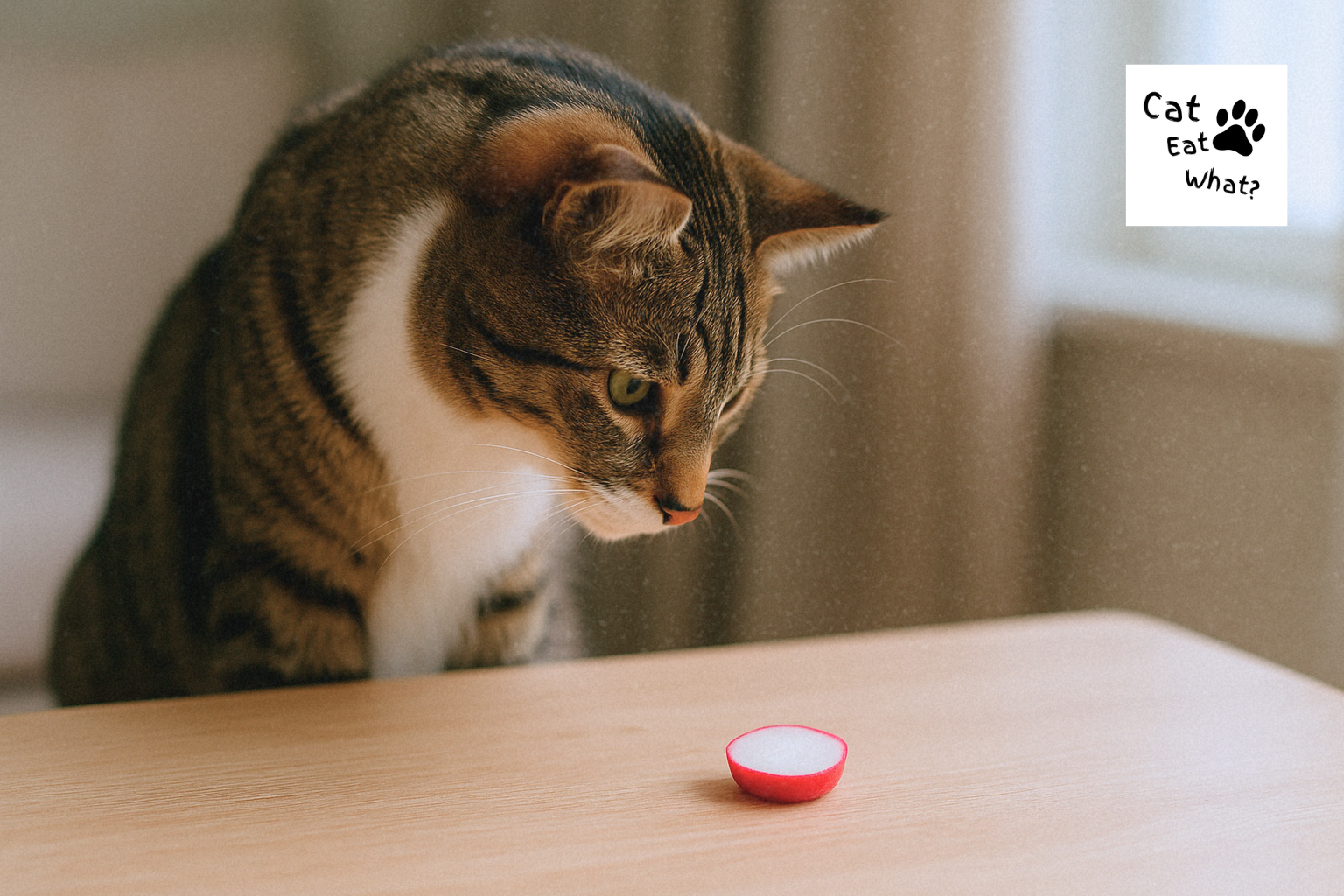
Radishes are crisp, peppery root vegetables often found in salads, pickling jars, and garden beds. But if your curious cat starts sniffing around the kitchen and nibbles a bite — should you be worried? Can cats eat radish safely, or is this crunchy root best kept off the menu?
Let’s dig into whether radishes are okay for cats, what benefits or risks they bring, and how to respond if your feline samples one.
What Are Radishes?
Radishes are root vegetables from the Brassicaceae family, related to cabbage, broccoli, and mustard greens. They come in many varieties, from small red globes to long white daikon radishes. Their flavor is typically sharp and spicy, especially when raw.
High in water and low in calories, radishes are known for their crisp texture and detoxifying properties in human diets. They’re rich in vitamin C, fiber, and contain compounds like glucosinolates that contribute to their signature peppery taste.
Radishes are eaten raw, cooked, or pickled, and while they’re healthy for humans, they’re not a typical part of any cat’s natural diet — which raises questions about how a cat’s body might respond.
Is Radish Safe for Cats?
In small amounts, radish is not toxic to cats. According to toxicology resources like the ASPCA, radish is not classified as a poisonous plant for felines. So if your cat steals a bite or two, there’s no need for immediate panic.
However, that doesn’t mean it’s recommended or ideal.
Radish’s strong flavor and spicy compounds can irritate a cat’s mouth or stomach, and many cats instinctively avoid it after a sniff or taste. Unlike some fruits or bland veggies, radish doesn’t naturally appeal to feline senses.
In short: a tiny nibble won’t harm your cat, but radish isn’t a safe or beneficial snack.
Any Benefits for Cats?
While radishes do contain vitamin C, fiber, antioxidants, and water, none of these nutrients offer meaningful benefit to cats in the quantities they’d realistically consume.
Cats are obligate carnivores, meaning their bodies are biologically designed to extract nutrients from meat, not vegetables. Unlike humans, they don’t require plant-based fiber or vitamin C supplementation.
At best, a small amount of radish may act as a mild source of hydration or fiber. But at worst, it might upset their stomach or simply go undigested.
So while radish isn’t “bad” per se, there are no real benefits for cats either.
Risks Involved
Radish may not be toxic, but it can still cause discomfort. Here are the primary risks to consider:
1. Digestive Upset
Cats may experience vomiting, diarrhea, or gas after eating radish due to its fiber and pungent compounds.
2. Spicy Compounds
Radishes contain isothiocyanates, compounds responsible for their sharp, mustardy flavor. These can be irritating to a cat’s gastrointestinal lining and cause mild distress.
3. Choking Hazard
Raw radish is hard and dense. If not properly chewed (especially if the cat bites a large piece), it can pose a choking risk.
4. Pickled Radish
Pickled or seasoned radishes are dangerous. They often contain vinegar, salt, garlic, or onion — all of which are harmful to cats.
Bottom line: Radish isn’t worth the risk or discomfort, even if it’s not technically poisonous.
How to Feed Radish (If You Must)
If you’re set on letting your cat try radish for enrichment or curiosity’s sake, here’s how to do it as safely as possible:
- Only raw, plain radish — never pickled, salted, or cooked with seasoning.
- Very small amounts — less than half a slice.
- Finely grated or chopped — to reduce choking hazard.
- One-time treat — not as a regular snack.
Watch your cat closely afterward. If they show any signs of digestive upset (vomiting, drooling, diarrhea), discontinue immediately and consult your vet.
That said, there are much better snack options.
Can Kittens Eat Radish?
No. Kittens should never be given radish — even in tiny amounts.
Their digestive systems are more sensitive than adult cats, and they require very specific nutrition for healthy growth. Spicy or fibrous foods like radish can cause unnecessary stress or upset to their small stomachs.
If a kitten accidentally licks or chews on radish, monitor them closely and contact your vet if symptoms appear. But as a rule: radish is not appropriate for kittens in any form.
Safer Alternatives for Cats
If you’re looking for crunchy, healthy treats for your cat, try one of these feline-friendly options:
- Cucumber – Hydrating, mild in flavor, and often well-tolerated
→ Can Cats Eat Cucumber? - Cooked Carrot – Soft, slightly sweet, and full of beta-carotene
→ Can Cats Eat Carrots? - Pumpkin Purée – Excellent for digestion and safe when unsweetened
→ Can Cats Eat Pumpkin? - Zucchini – Bland and low-risk, often used in vet-formulated diets
These alternatives are safer, gentler, and more appropriate for occasional snacking.
Vet’s Final Verdict
Can cats eat radish? Technically, yes — but they probably shouldn’t.
While a tiny nibble of plain raw radish isn’t toxic, it offers no nutritional benefit and may cause discomfort. Its spicy, fibrous nature makes it an unnatural and unpleasant snack for most cats. Kittens, in particular, should never be given radish.
If your cat steals a bite, there’s likely no harm done. But as a veterinarian, I recommend choosing better, safer alternatives for your feline companion.