Can Cats Eat Pineapple? What Every Cat Owner Should Know
As a veterinarian, I’m often asked whether common fruits are safe for cats. One question that comes up more than you’d expect: Can cats eat pineapple? While pineapple is a nutritious treat for humans, cats have very different dietary needs. In this article, we’ll explore whether pineapple is safe for cats, how it affects their digestion, and when—if ever—it’s appropriate to offer this tropical fruit to your feline companion.
What Is Pineapple?
Pineapple is a tropical fruit native to South America, known for its tough, spiky rind and sweet, yellow flesh. Rich in vitamin C, fiber, natural sugars, and bromelain (a protein-digesting enzyme), pineapple is a refreshing and hydrating food for humans. It’s often served raw, juiced, grilled, or mixed into desserts.
But while pineapple may be part of a balanced human diet, that doesn’t mean it belongs in your cat’s food bowl.
Is Pineapple Safe for Cats?
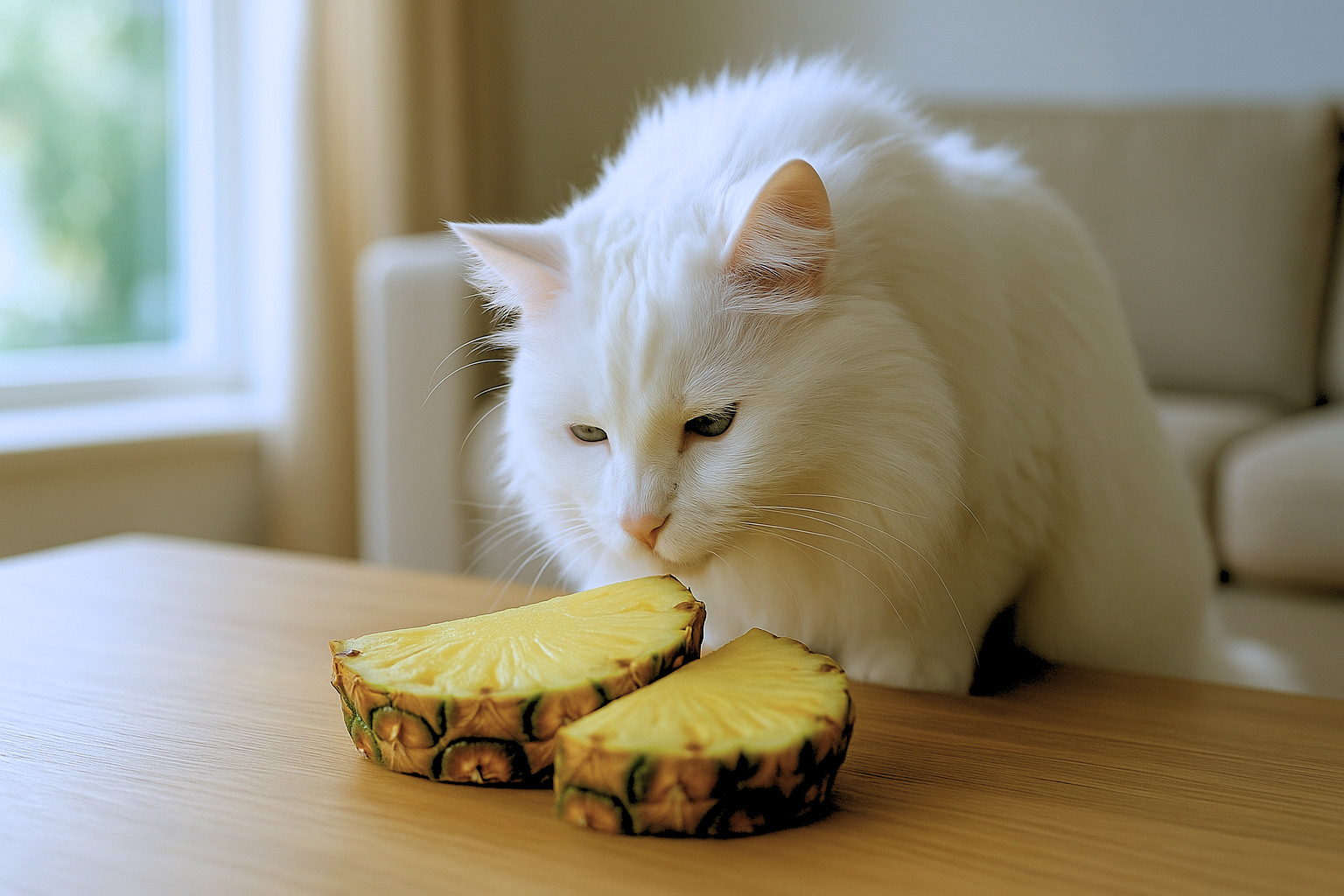
Yes—pineapple is non-toxic to cats. According to the ASPCA Animal Poison Control Center, pineapple is not considered poisonous for cats. That means a healthy adult cat can safely taste a small amount of fresh pineapple flesh on occasion.
But “safe” doesn’t mean “beneficial.” Just because something won’t poison your cat doesn’t mean it’s a good idea to feed it regularly. Pineapple should be treated as a rare, novelty snack—not a dietary supplement.
Is Pineapple Good for Cats?
Nutritionally, pineapple offers little to cats. While it contains water, fiber, and vitamins, cats are obligate carnivores, meaning their bodies are built to thrive on animal-based proteins and fats—not carbohydrates, sugars, or fruit enzymes.
Unlike humans, cats don’t have taste receptors for sweetness. So that delicious tropical flavor we enjoy? Your cat won’t experience it. The most a cat might enjoy is the texture or smell—but nutritionally, pineapple is unnecessary.
Risks of Feeding Pineapple to Cats
Feeding pineapple to your cat in large amounts or the wrong form can lead to several issues:
- Digestive upset: The fruit’s acidity and sugar can lead to vomiting or diarrhea
- Obesity: High sugar content contributes to excess calorie intake over time
- Choking hazard: Fibrous texture may be difficult for cats to chew or swallow
- Reactions to bromelain: Although rare, this enzyme could irritate the stomach in sensitive cats
- Artificial additives: Canned pineapple or pineapple-flavored snacks often contain preservatives or sugars that are harmful to cats
Cats with diabetes, pancreatitis, or gastrointestinal sensitivity should avoid pineapple entirely.
How to Safely Feed Pineapple to Your Cat
If your cat shows interest in pineapple, and you’d like to offer a small taste, here’s how to do it safely:
- Only use fresh, raw pineapple. Avoid canned pineapple or dried pineapple with added sugar.
- Remove the skin and core completely. Only the soft inner flesh is acceptable.
- Cut into tiny, chewable pieces. A piece should be no larger than a kibble.
- Offer one small bite only. Monitor your cat’s reaction over the next few hours.
- Never mix with dairy, spices, or toppings. Keep it plain.
And remember—some cats simply have no interest in fruit. That’s perfectly fine. Never force it.
Can Kittens Eat Pineapple?
Kittens should not be given pineapple. Their digestive systems are still maturing, and their nutritional needs are more rigid than those of adult cats. Offering fruit to kittens can result in upset stomach, loose stools, or imbalances in their developing diet. It’s best to wait until they are fully grown—and even then, pineapple should remain a rare treat.
Better Treat Alternatives
If you’re looking for occasional safe treats for your cat, consider these vet-approved options instead:
- Cooked chicken or turkey, cut into small, plain pieces
- A lick of plain, unsweetened yogurt (if your cat tolerates dairy)
- A flake of canned tuna in water (not oil or brine)
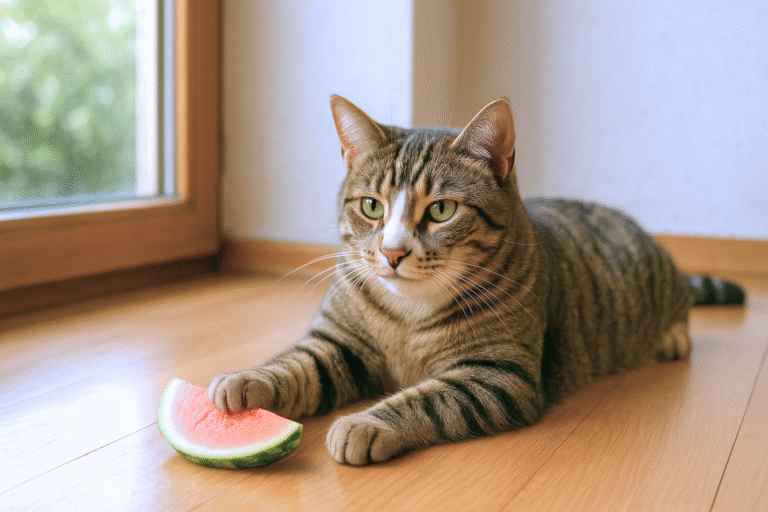
- Very small pieces of cat-safe fruits like watermelon or cantaloupe
These options are safer, more digestible, and closer to a species-appropriate diet.
Veterinary Verdict
Can cats eat pineapple? Yes—but only in very small quantities, and only if it’s fresh, raw, and properly prepared. Pineapple is not toxic, but it offers little nutritional value to cats and poses some digestive risks. It’s safe as a one-time curiosity, but not a recommended part of your cat’s diet.
As a vet, I always advise prioritizing high-quality, protein-rich diets for cats. Occasional treats are fine, but they should be species-appropriate, simple, and infrequent. If your cat enjoys pineapple and shows no reaction, a tiny piece now and then is acceptable—but unnecessary.