Can Cats Eat Onions? The Scary Truth Every Pet Owner Should Know
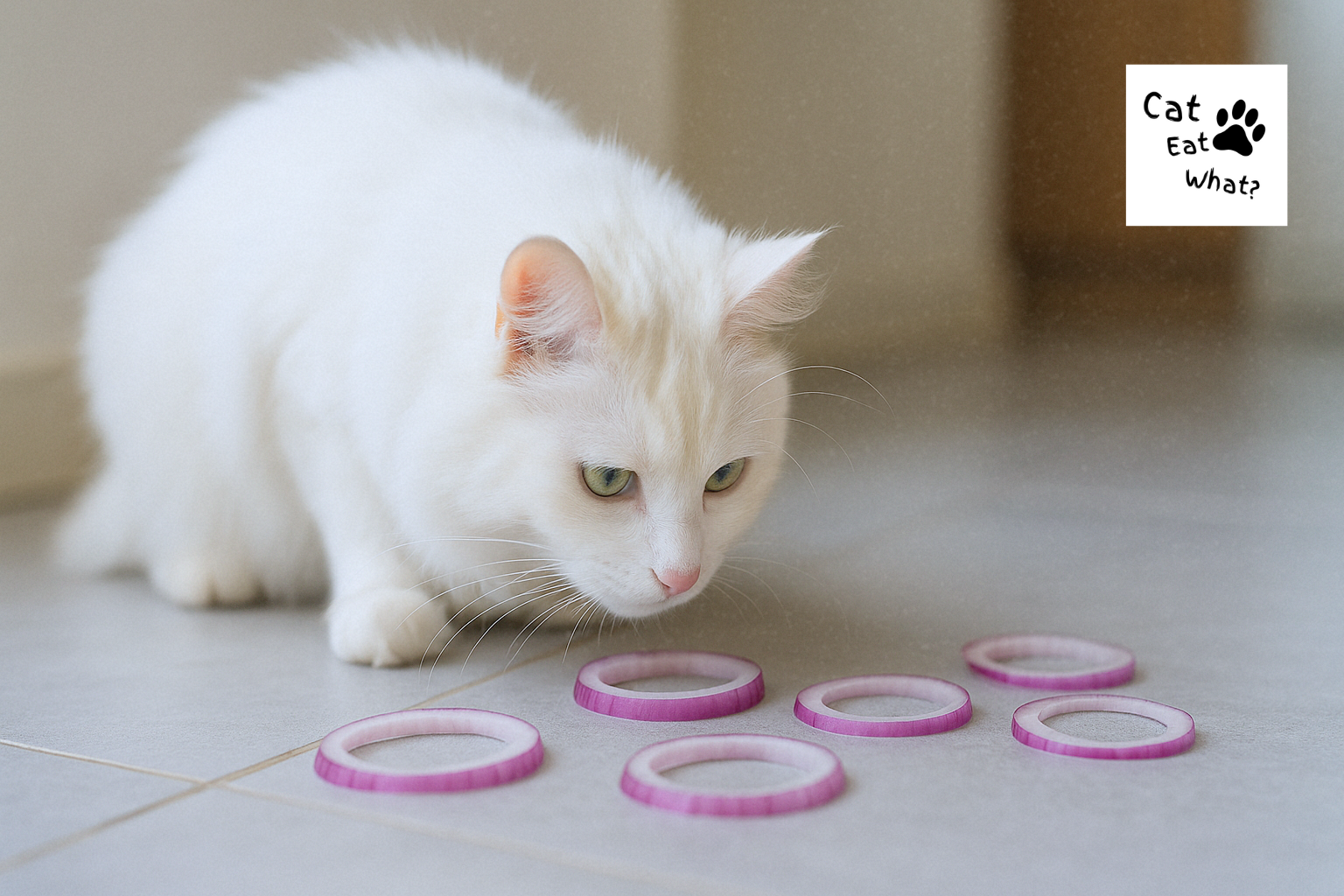
Cats are curious creatures, and if you’ve ever dropped a bit of food on the kitchen floor, chances are your feline friend was quick to investigate. But what if that food is onion? Can cats eat onions, or is this common kitchen ingredient actually dangerous for them? The short answer is no—onions are toxic to cats and should never be included in their diet. In this article, we’ll break down exactly why onions are harmful, what signs to watch for if your cat consumes any, and what safer alternatives exist.
What Are Onions?
Onions are one of the most commonly used vegetables in human cuisine. They belong to the Allium family, which includes garlic, leeks, shallots, and chives. Onions come in many varieties—yellow, red, white, and green—and are valued for their sharp flavor and aroma. Whether they’re raw, cooked, powdered, or dried, onions appear in countless dishes around the world.
Unfortunately, the very chemical compounds that make onions flavorful for humans are dangerous for cats.
Are Onions Safe for Cats?
No. Onions are toxic to cats in all forms—raw, cooked, powdered, dried, or even in small amounts as seasoning. Even a small quantity can cause damage to a cat’s red blood cells, potentially leading to a serious and sometimes life-threatening condition called Heinz body anemia.
This toxicity comes from N-propyl disulfide, a compound that damages red blood cells in cats by altering hemoglobin and leading to oxidative damage. Cats are especially sensitive to this compound, and their small body size makes even trace amounts of onion potentially dangerous.
Are There Any Benefits for Cats?
Absolutely not. Onions provide no nutritional benefit for cats. While they contain some vitamins and antioxidants for humans, none of these translate into value for a feline diet. In fact, feeding onions or onion-based foods to cats can only lead to harm, even if the symptoms don’t appear immediately.
Cats are obligate carnivores, meaning their bodies are optimized for digesting animal proteins—not plant-based ingredients like onions.
Risks of Onion Consumption in Cats
Onion poisoning in cats is a serious veterinary emergency. Here’s what can happen:
1. Heinz Body Anemia
This occurs when the onion’s toxic compounds cause damage to red blood cells, making them more prone to rupture. It can lead to weakness, pale gums, elevated heart rate, and difficulty breathing.
2. Gastrointestinal Upset
Even small amounts of onion can irritate your cat’s digestive system, causing vomiting, diarrhea, and abdominal pain.
3. Delayed Symptoms
One of the scariest parts about onion toxicity is that symptoms may not appear immediately. It can take several days after ingestion for the full effects to show up.
4. Cumulative Effect
Even small amounts of onion over time (e.g., in leftover food or flavored treats) can add up and cause long-term damage.
How to Feed Onions to Cats? (You Shouldn’t)
This section exists only to clarify: you should never feed onions to cats, under any circumstance. There is no safe way to prepare onions for feline consumption, and they should be kept far away from your cat’s bowl.
Avoid feeding your cat anything that contains onion powder, which is common in soups, sauces, gravies, baby food, and processed meats.
Can Kittens Eat Onions?
No, and the risks are even higher. Kittens are more vulnerable due to their smaller size and developing systems. A smaller dose can cause more severe symptoms, and the onset of anemia can be faster. If your kitten has eaten any onion—even a small piece—contact your veterinarian immediately.
Safer Alternatives to Onions for Cats
If you’re looking for healthy, cat-safe foods to share occasionally, consider these options instead:
- Cooked plain chicken – High in protein and gentle on the stomach
- Steamed carrots – Soft and non-toxic in small portions
- Cucumber slices – Crunchy and hydrating
- Pumpkin (plain, cooked) – Supports digestion and is safe in moderation
Always serve treats in tiny amounts and never season them. Even “safe” human foods should only make up a very small part of your cat’s overall diet.
Dr. Fox’s Final Verdict
Can cats eat onions? The answer is a definite and urgent no. Onions are toxic to cats and pose a serious health risk even in small amounts. Whether raw, cooked, or powdered, all forms of onion can cause potentially fatal anemia and should be strictly avoided.
If you suspect your cat has eaten any onion, contact your veterinarian immediately or call a pet poison hotline. It’s far better to act fast than to wait for symptoms to appear.
Your cat’s diet should stick to species-appropriate, vet-approved foods that meet their nutritional needs. Onion is never one of them.