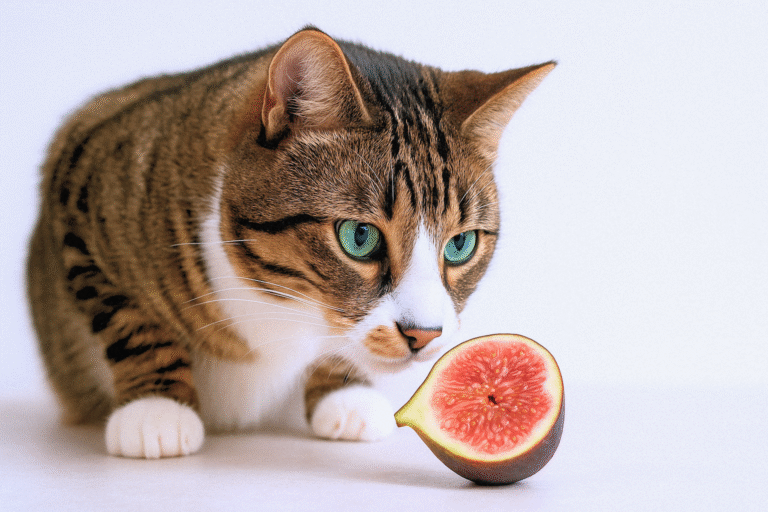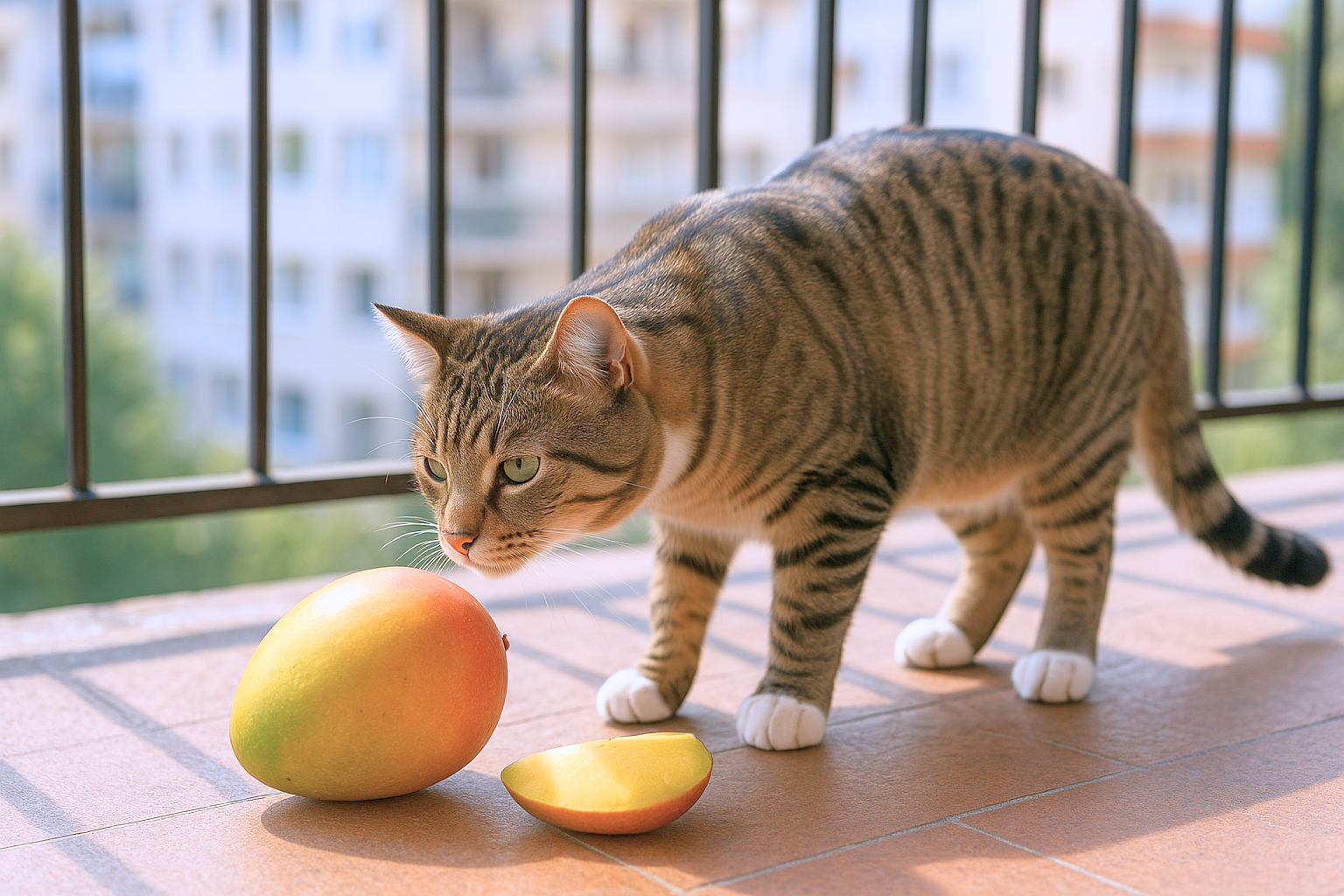
Can Cats Eat Mango? A Tropical Treat or Trouble for Your Feline?
If you’re slicing up a ripe, juicy mango and your cat jumps onto the counter with curious eyes, you’re not alone. Many cat owners wonder if their feline friends can enjoy fruits the way humans do. So, can cats eat mango? Is it safe, beneficial, or potentially harmful?
As a veterinarian, I’ve seen this question come up more often than you’d think. Let’s explore what mango means for your cat’s diet—what’s safe, what’s not, and how to approach this tropical fruit with caution and care.
What Is Mango?
Mango (Mangifera indica) is a tropical stone fruit known for its vibrant orange-yellow flesh, rich aroma, and sweet taste. It originates from South Asia but is now cultivated globally. Mangoes are packed with nutrients for humans—like vitamin C, vitamin A, and fiber—and are commonly eaten raw, blended into smoothies, dried, or added to desserts and savory dishes.
For us, mango is a healthy treat. But for cats, who are obligate carnivores, it’s a very different story. Cats process foods differently, and not all fruits—no matter how healthy for humans—are safe or even digestible for them.
Is Mango Safe for Cats?
Yes, mango flesh is non-toxic to cats and can be eaten in very small amounts, according to the ASPCA. That said, there are strict rules on how you prepare and offer it.
Here’s what you must know:
- Safe part: The soft, ripe flesh of the mango
- Unsafe parts: The skin (difficult to digest) and the pit (a choking hazard and source of cyanide compounds)
Even the safe portion should only be offered occasionally and in moderation. Mango is not a necessary or natural part of a cat’s diet, but a tiny taste won’t harm a healthy adult cat.
Are There Any Health Benefits?
While mango isn’t a required part of your cat’s nutrition, it can offer a few modest benefits—if served correctly and sparingly:
- Hydration: Mango is nearly 80% water, which can help with hydration—especially for cats who don’t drink enough.
- Dietary fiber: A small amount of fiber can support digestion, though too much may upset their stomach.
- Vitamin A & beta-carotene: These support skin, vision, and immunity—but cats process vitamin A better from animal sources.
- Enrichment: Some cats enjoy the texture and scent of new foods, adding variety to their environment.
That said, these benefits are minimal, and your cat is better off getting nutrients from a meat-based, species-appropriate diet.
What Are the Risks?
Despite being non-toxic, mango carries several risks:
1. High Sugar Content
Cats aren’t built to process sugar. Mango is sweet—roughly 14 grams of sugar per 100g. Too much can lead to:
- Upset stomach
- Diarrhea
- Weight gain
- Blood sugar spikes (especially in diabetic cats)
2. Choking Hazard from the Pit
Mango pits are large, hard, and dangerous. If swallowed, they can obstruct the airway or cause intestinal blockage. Never let your cat near the pit.
3. Digestive Upset
Cats’ digestive systems are not meant for fruit. Some cats may react to mango with vomiting or loose stools, especially if they eat too much or eat it unripe.
4. Allergic Reaction
Though rare, cats can be sensitive to new foods. Start with a tiny piece and monitor your cat for any signs of discomfort.
How to Safely Feed Mango to Your Cat
If you want to let your cat sample mango, follow these vet-recommended guidelines:
- Choose ripe mango – Soft and sweet, not sour or green.
- Remove the skin – The peel is tough and can cause indigestion.
- Remove the pit – Never let your cat near it.
- Cut into tiny pieces – Bite-sized, no bigger than a pea.
- Offer a small amount – Just one or two tiny pieces at most.
- Watch for reactions – If your cat shows signs of stomach upset, don’t offer it again.
Mango should never be more than a treat. Treats in general should make up no more than 10% of your cat’s total calorie intake.
Can Kittens Eat Mango?
No. Kittens have delicate digestive systems and require highly specific nutrition for growth. Their food should be high in animal protein, taurine, and essential fatty acids—none of which mango provides.
Even small dietary upsets can affect a kitten’s health, so avoid all fruits, including mango, until your cat is at least one year old. Stick to vet-approved kitten food and treats only.
Are There Better Fruit Alternatives?
If your cat enjoys the occasional sweet treat, these are generally safer and more tolerable fruits:
- Blueberries: Low in sugar, high in antioxidants
- Watermelon (seedless): Great for hydration
- Cantaloupe: Often enjoyed by cats for its scent
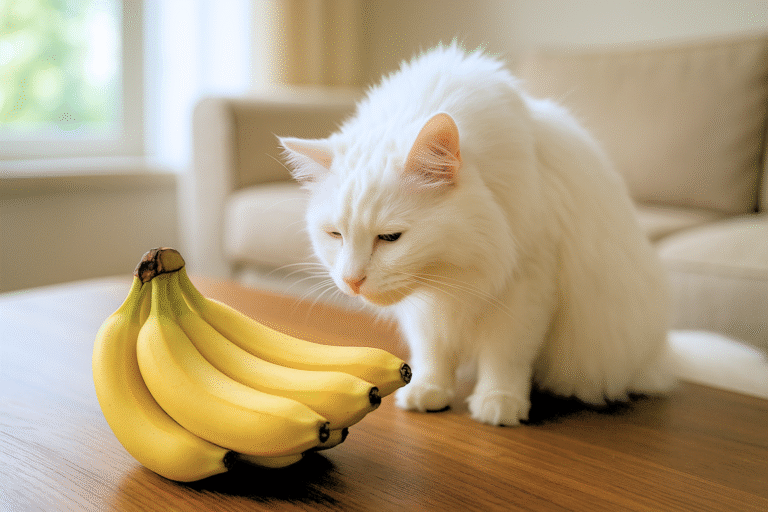
- Banana (tiny portion): Soft and mild, but still sugary
All fruits should be plain, fresh, and served in moderation. Avoid canned, dried, or sweetened versions—they’re loaded with sugar or preservatives.
For example, check out:
Can Cats Eat Watermelon?
Can Cats Eat Apples?
Can Cats Eat Bananas?
Dr. Fox’s Final Verdict
As a veterinarian, here’s my final word:
Yes, cats can eat mango—but only in very small amounts and not as a regular part of their diet. A few bites of ripe mango flesh can serve as a fun treat or sensory enrichment, but it offers no real nutritional value for your cat.
Avoid the pit and skin, keep portions tiny, and observe your cat after feeding. If your cat loves it and tolerates it well, there’s no harm in offering a small bite once in a while. But don’t let mango—or any fruit—replace their main diet.
If you’re ever unsure, talk to your vet. Every cat is different, and what’s harmless for one might be problematic for another.
For more trustworthy guidance, visit the ASPCA Animal Poison Control Center.