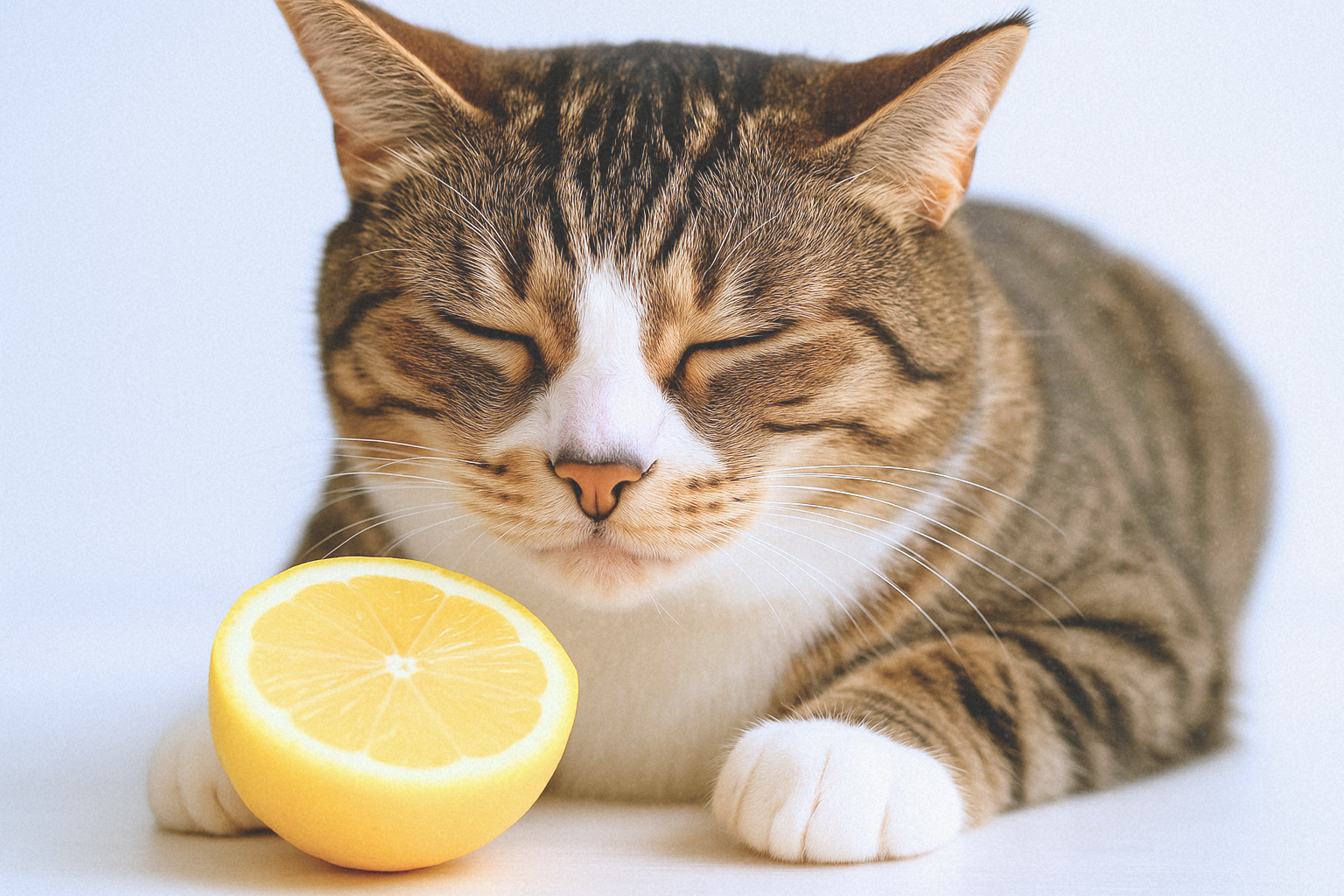
Can Cats Eat Lemons? Why This Citrus Is More Than Just Sour for Cats
Can Cats Eat Lemons? Lemons are bright, fragrant, and loaded with vitamin C — but does that mean they’re okay for cats? As cat owners, it’s natural to wonder if something safe (and even healthy) for us could harm our feline companions. The short answer? No, cats should not eat lemons. But let’s take a deeper look at why.
What Are Lemons?
Lemons are small, yellow citrus fruits known for their sour flavor and intense aroma. They’re rich in citric acid and are widely used in cooking, cleaning, and natural remedies. In human diets, lemons are considered healthy — providing antioxidants, vitamin C, and antibacterial properties.
But while lemons are a popular ingredient in our kitchens, cats experience food very differently than we do. Their digestive systems and metabolisms are uniquely feline — and what helps us might harm them.
Are Lemons Safe for Cats?
No. Lemons are not safe for cats in any amount.
The peel, pulp, juice, and even the leaves of the lemon plant are toxic to felines. Lemons contain three key substances that pose a risk:
- Citric acid – A naturally occurring compound that irritates the digestive system and can cause stomach upset.
- Limonene – A chemical found in the rind that is toxic to cats and often used in cleaning products or insect repellents.
- Psoralens – Plant-derived compounds that make the skin sensitive to light and can cause photosensitivity or severe skin irritation.
Even small exposures — like licking lemon juice or chewing on a lemon leaf — can cause noticeable symptoms.
Do Lemons Offer Any Benefits to Cats?
None. Unlike some fruits (like blueberries or cooked pumpkin) that may offer mild fiber or antioxidant perks, lemons offer zero nutritional benefit to cats.
Cats are obligate carnivores, meaning their bodies are designed to digest and utilize nutrients from meat — not fruit or plant matter. Their systems don’t process vitamin C from dietary sources like ours do, and their acidic sensitivity is much higher.
So, not only do lemons offer no benefit — they can do real harm.
Risks of Lemons for Cats
Lemons aren’t just unhealthy — they’re toxic. Here’s a breakdown of the risks based on exposure level:
1. Ingestion of Juice or Pulp
Even licking a small amount of lemon juice can result in:
- Vomiting
- Diarrhea
- Drooling
- Weakness
- Irritated mouth and throat
2. Eating Lemon Peel or Zest
The peel is rich in limonene and essential oils that cats cannot metabolize. This can lead to:
- Gastrointestinal distress
- Lethargy
- Tremors
- Low body temperature
- Collapse in severe cases
3. Skin Contact
Lemon oil or exposure to lemon-scented products can cause:
- Dermatitis
- Burns
- Light sensitivity (photosensitization)
- Excessive grooming of the irritated area
4. Lemon-Scented Products
Beware of cleaning sprays, air fresheners, and essential oils. Cats are extremely sensitive to airborne and topical citrus-based compounds, which can build up in their systems quickly.
Note: If your cat ingests or comes into contact with lemon or lemon oil, contact your veterinarian immediately. Early intervention is key.
How Do Cats React to the Smell of Lemons?
Most cats instinctively avoid citrus. The intense aroma of lemons, limes, and oranges activates a natural aversion response — and that’s a good thing.
You may have seen advice to use citrus peels to keep cats away from furniture or houseplants. While the smell may deter them, it’s not recommended to use strong citrus oils or sprays around cats. Even indirect exposure can stress them or lead to health problems over time.
Can Kittens Eat Lemons?
Absolutely not. Kittens are even more vulnerable to toxins than adult cats. Their small bodies, immature organs, and lower body weight make them especially sensitive.
Ingesting even a tiny bit of lemon could cause vomiting, dehydration, and metabolic imbalance in a kitten — all of which can become life-threatening much faster than in an adult cat.
Safer Alternatives to Lemons
If you’re looking to share a fresh treat with your cat — or just want to offer something healthy and safe — skip the citrus. Instead, consider:
- Cantaloupe – Many cats love the scent and soft texture. High in water, safe in small pieces.
- Cooked Pumpkin – Great for digestion and often used to ease mild constipation.
- Blueberries – Packed with antioxidants and safe in moderation.
- Steamed Carrot (unsalted) – Offers fiber and crunch without harmful acids.
These foods should be served plain, in very small quantities, and only occasionally. Treats should never exceed 10% of a cat’s daily intake.
Vet’s Final Verdict
Cats and lemons simply don’t mix. Unlike safe fruits like watermelon or apples (peeled), lemons carry real risk — and no reward.
As a veterinarian, I strongly advise keeping all citrus — especially lemons — away from your cat. This includes fresh lemons, lemon juice, zest, leaves, cleaning products, and essential oils.
While your cat is unlikely to seek out lemons on their own, accidents happen. Educating your household and securing citrus-containing products is part of responsible feline care.
Stick to a high-protein, species-appropriate diet and choose only vet-approved treats. When in doubt, don’t experiment — and always consult your veterinarian.