Can Cats Eat Corn? A Crunchy Snack or Just Filler?
Corn is one of the most common ingredients in processed human and pet foods alike—but does that mean it’s safe or healthy for your cat? Can cats eat corn? As a veterinarian, I get asked this question more often than you might expect. Let’s take a closer look at corn and whether it has a place in your cat’s diet.
What Is Corn?
Corn (Zea mays) is a cereal grain first domesticated in Mexico and now one of the most widely cultivated crops globally. It’s used in everything from tortillas and cornflakes to syrups, oils, popcorn, and biofuels.
Corn is high in carbohydrates and contains moderate amounts of fiber, vitamins (especially B-complex), and minerals like magnesium and phosphorus. In human nutrition, corn is often considered a versatile and affordable staple.
It also frequently appears in commercial pet food as a filler or carbohydrate source. But should cats—who are obligate carnivores—be eating corn at all?
Is Corn Safe for Cats?
The short answer: Yes, plain corn is generally safe for cats to eat in small amounts.
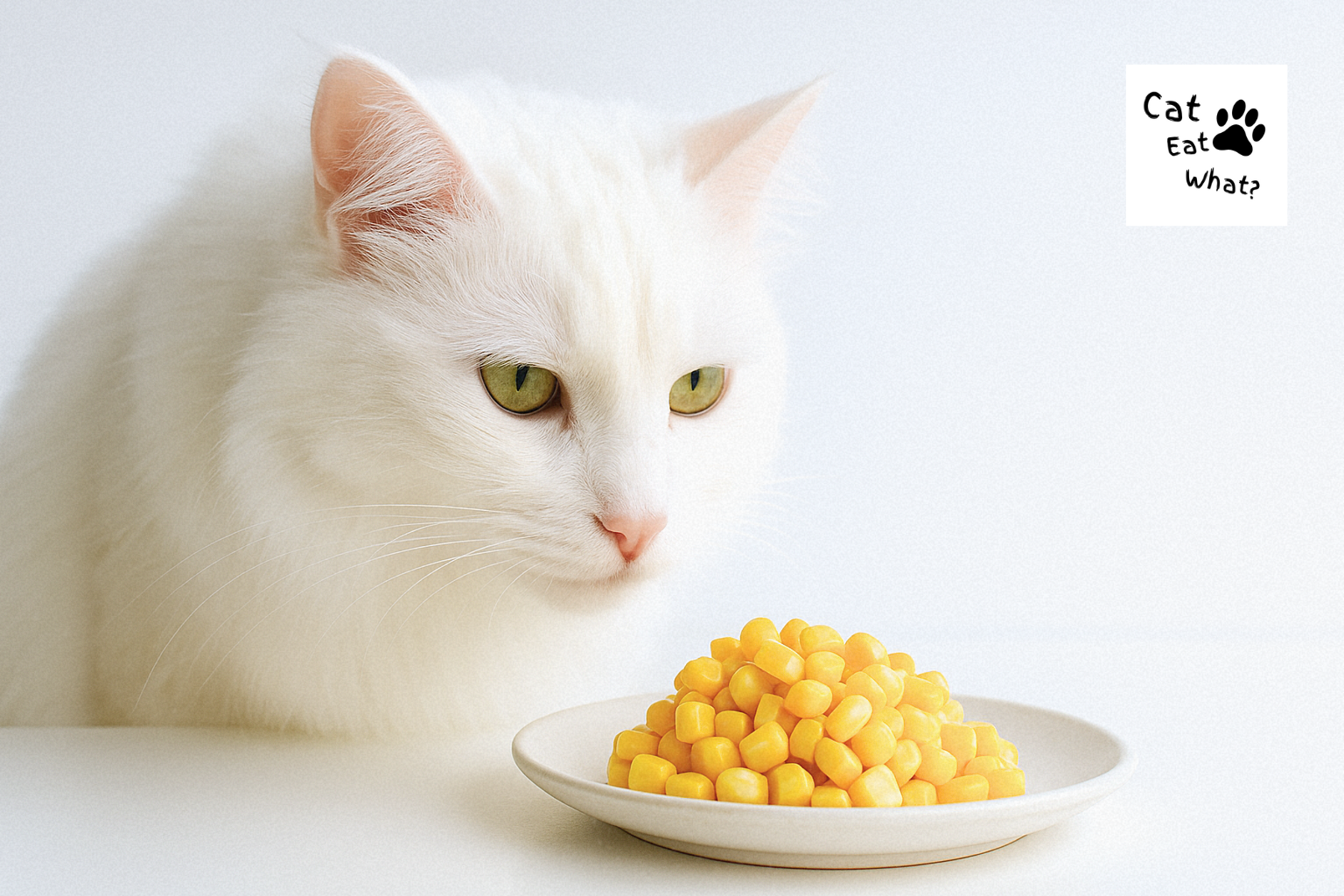
Cooked corn kernels, free from salt, butter, spices, and sauces, are non-toxic to cats. If your feline friend nibbles on a piece that fell from your plate, there’s usually no need to panic.
That said, just because something is safe doesn’t mean it’s beneficial—or necessary—in your cat’s diet. Corn doesn’t offer the same essential nutrients that animal proteins do, which are the cornerstone of feline nutrition.
Raw corn, corn on the cob, or anything seasoned with garlic, onions, or dairy should be avoided altogether, as these can pose choking hazards or cause digestive upset.
Are There Any Benefits of Corn for Cats?
While corn isn’t a nutritional powerhouse for cats, it does contain:
- Fiber, which may support mild digestive health
- Carbohydrates, which offer quick energy (though cats don’t rely heavily on carbs)
- Small amounts of vitamins and antioxidants, including lutein and zeaxanthin, which support eye health in humans (though benefits in cats are unclear)
Some commercial cat foods include ground corn or corn gluten meal as a source of carbs or plant-based protein. While these ingredients are not harmful per se, they’re not ideal either. Cats lack the digestive enzymes to fully utilize plant matter, so the benefits are limited.
If you’re feeding a complete and balanced cat food that lists corn among the ingredients, it’s usually not a concern—but it shouldn’t be the main feature of their diet.
Risks of Feeding Corn to Cats
Though not toxic, corn can cause issues when fed inappropriately:
- Digestive upset – Especially if served raw or in large quantities, corn can lead to vomiting, gas, or diarrhea.
- Choking hazard – Corn on the cob poses a significant risk. Cats can chew off and swallow pieces of cob, which may cause intestinal blockage.
- Allergic reactions – While rare, some cats may show signs of food intolerance or allergy, such as itchy skin or vomiting, after consuming corn-based products.
- Empty calories – Corn is carb-heavy and lacks the amino acids cats need. Regular feeding may contribute to weight gain or displace essential nutrients.
Remember: corn is not a substitute for high-quality meat-based proteins. Cats thrive on diets rich in taurine, arachidonic acid, and preformed vitamin A—all found in animal tissues, not plants.
Best Way to Feed Corn (If You Do)
If you’d like to share a bite with your cat, here’s how to do it safely:
- Cook the corn: Boiled or steamed kernels only—never fried or grilled with spices.
- No salt, butter, or seasonings: These add no value and may upset your cat’s stomach.
- Remove from the cob: Avoid any chance of choking or intestinal blockage.
- Serve in small amounts: A teaspoon of plain corn is more than enough.
- Watch for reactions: If it’s your cat’s first time trying corn, monitor for vomiting, itching, or loose stool.
Corn snacks like tortilla chips, popcorn with butter, or canned corn with additives should be avoided entirely.
Can Kittens Eat Corn?
Technically, yes—cooked plain corn is not toxic to kittens. However, it offers no essential nutrients for growing cats and can fill up tiny stomachs without providing real value.
Kittens need a diet rich in highly digestible animal protein, fats, and specific vitamins and minerals. Corn does not deliver on that front.
For kittens, it’s best to stick to complete kitten-formulated foods and avoid human treats altogether, especially early in their development.
Healthier Alternatives to Corn
Looking for a more cat-friendly treat? Here are a few safe and nutritious options:
- Cooked chicken breast – Lean and protein-rich
- Boiled salmon – Great source of omega-3s (no bones or seasoning)
- Pumpkin purée – Helps with digestion (plain, unsweetened only)
- Small pieces of scrambled egg – Packed with protein and easy to digest
Always serve these foods in moderation and without any added seasoning or oil.
Vet’s Final Verdict
Can cats eat corn? Yes—but it’s more of a neutral snack than a helpful one.
Plain, cooked corn won’t harm your cat in small amounts, but it doesn’t contribute to their nutritional needs either. As a vet, I recommend prioritizing species-appropriate foods high in animal protein and only offering corn as an occasional treat—if at all.
Avoid raw kernels, corn on the cob, or anything flavored, and never use corn as a dietary staple. When in doubt, always stick to a high-quality cat food that meets AAFCO nutritional standards.