Can Cats Eat Brussels Sprouts? The Surprisingly Healthy Truth
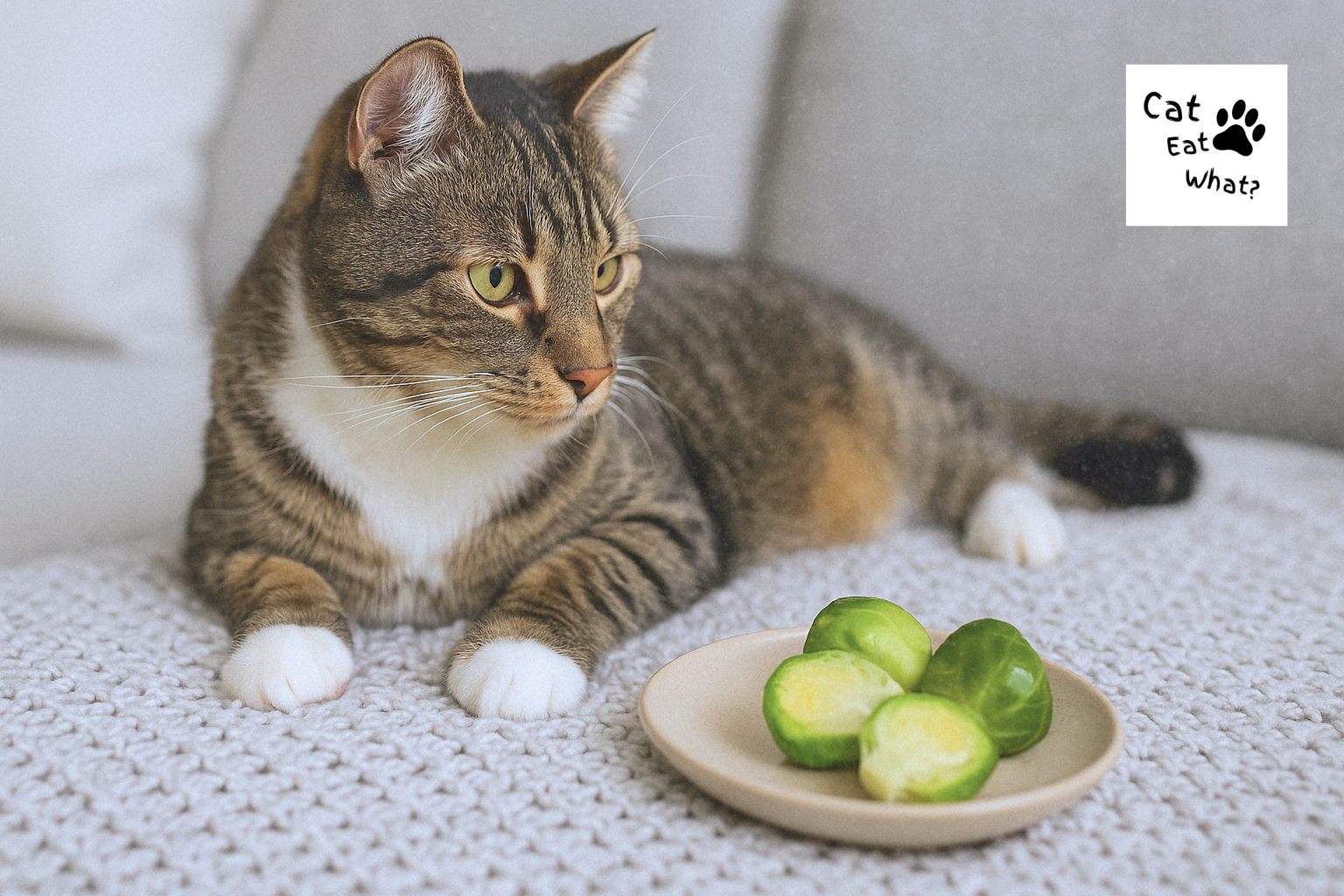
Brussels sprouts may be a love-it-or-hate-it food for humans, but what about cats? Can cats eat Brussels sprouts safely, or should these leafy green orbs stay off your pet’s plate? The short answer: yes, they can eat them in moderation. But as always, the full story involves understanding your cat’s biology, potential risks, and how to serve it the right way.
Let’s break it down.
What Are Brussels Sprouts?
Brussels sprouts are small, green vegetables that resemble miniature cabbages. They’re part of the cruciferous vegetable family—alongside broccoli, kale, and cauliflower—and are especially popular roasted or steamed. Rich in vitamins, fiber, and antioxidants, they’re often touted as a superfood for humans.
Nutritionally, Brussels sprouts are packed with:
- Vitamin C
- Vitamin K
- Folate
- Fiber
- Antioxidants (like kaempferol)
But just because they’re healthy for humans doesn’t automatically mean they’re ideal for cats.
Are Brussels Sprouts Safe for Cats?
Yes—Brussels sprouts are not toxic to cats, according to the ASPCA. When served cooked and plain, they can be a safe occasional treat. However, feeding your cat raw Brussels sprouts or those cooked with garlic, onions, butter, or seasonings can pose serious health risks.
The ideal way to prepare Brussels sprouts for cats is to steam or boil them, allowing them to soften without adding salt, oils, or spices. Once cooled, they can be chopped into small, manageable pieces.
Do Cats Benefit from Brussels Sprouts?
While cats don’t need vegetables in their diets, small bits of Brussels sprouts may provide minor benefits:
- Fiber: Can help support healthy digestion and reduce hairballs.
- Antioxidants: Kaempferol and other plant compounds may provide anti-inflammatory support.
- Vitamins C and K: These play roles in immune function and blood clotting, though cats naturally synthesize vitamin C in their liver.
Still, it’s important to put this in context—meat should always remain the core of a cat’s diet. Any health benefits from Brussels sprouts are secondary and not essential.
Are There Any Risks?
Yes—Brussels sprouts can pose a few risks if fed improperly or in excess:
- Digestive upset: Too much fiber can lead to bloating, gas, or diarrhea in cats.
- Choking hazard: Whole or large pieces may be difficult to chew.
- Nutrient interference: Feeding large quantities of vegetables could unbalance a cat’s diet.
Also, Brussels sprouts contain compounds that can affect thyroid function (goitrogens), especially when raw. While the risk is low in small, cooked portions, it’s another reason to keep servings minimal.
Best Way to Offer Brussels Sprouts to Cats
If you decide to let your cat try Brussels sprouts:
- Cook them first – Steam or boil until soft.
- Let them cool – Hot veggies can burn your cat’s mouth.
- Chop finely – Small bites reduce choking risk.
- Serve in moderation – A teaspoon-sized amount is enough.
- Watch for reactions – Look for signs of digestive discomfort.
You can mix a small amount into your cat’s regular food or offer it as a standalone treat.
Can Kittens Eat Brussels Sprouts?
It’s best to avoid feeding Brussels sprouts to kittens. Their digestive systems are still developing, and their nutritional needs are even stricter than adult cats. Stick to a high-quality kitten food and consult your vet before introducing any “human” food.
Safer & More Suitable Alternatives
If you’re looking for cat-safe treats with more direct benefits, consider:
- Pumpkin (plain, cooked) – Great for digestion.
- Cooked carrots – Mild, sweet, and full of beta-carotene.
- Plain cooked chicken or turkey – A carnivore’s delight.
- Commercial freeze-dried meat treats – Balanced and tasty.
These options are closer to your cat’s natural diet and typically better tolerated.
Vet’s Final Verdict
Can cats eat Brussels sprouts? Yes—in very small amounts, and only if they’re plain and cooked. While not harmful, Brussels sprouts aren’t especially beneficial either. For cats that are curious or love to nibble from your plate, a small taste now and then is fine. Just don’t make it a habit or substitute it for meat.
When in doubt, simplicity and moderation are your best friends. And if your cat refuses Brussels sprouts? Don’t worry—they’re not missing out on anything essential.