Can Cats Eat Broccoli? A Surprising Green Light from Vets
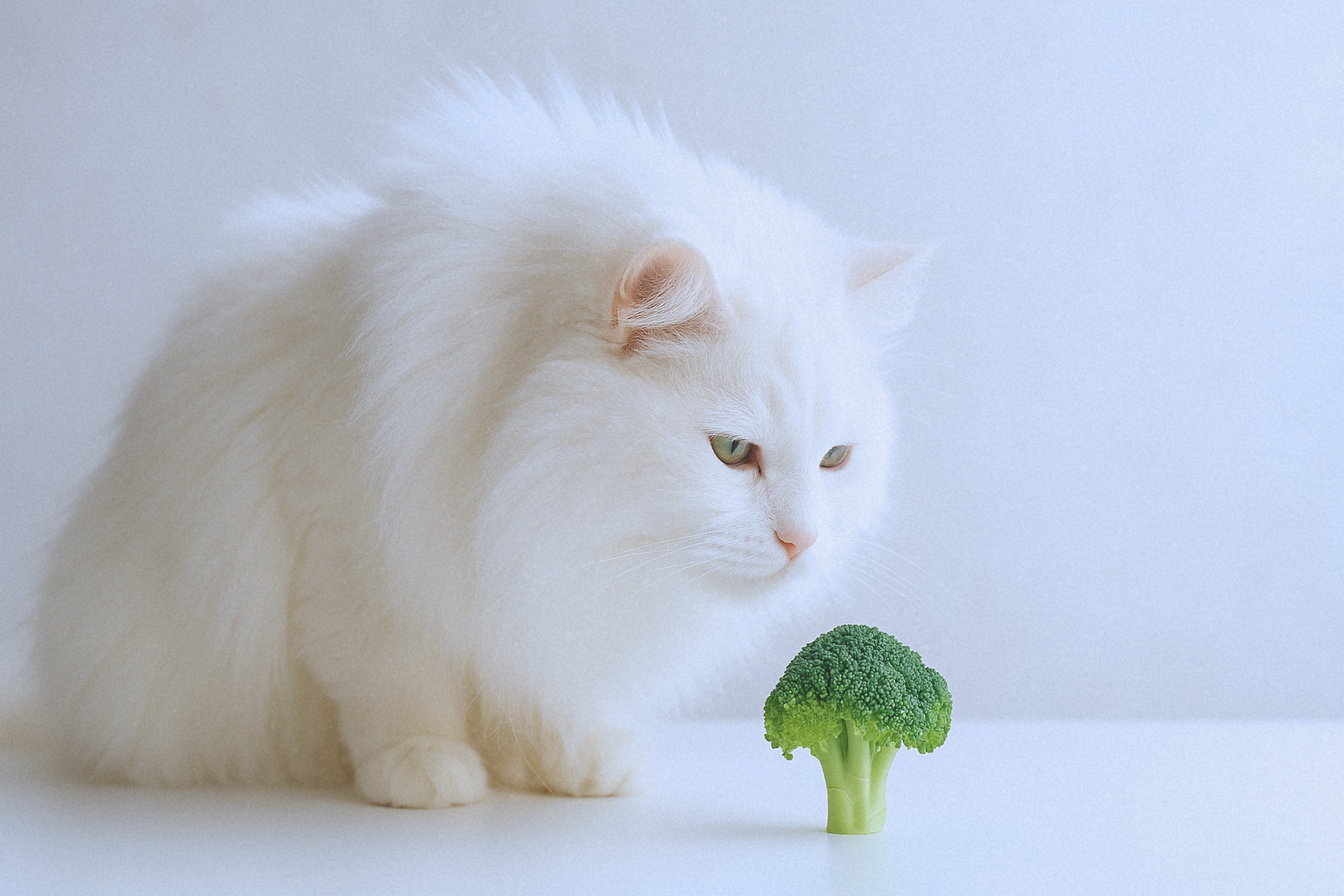
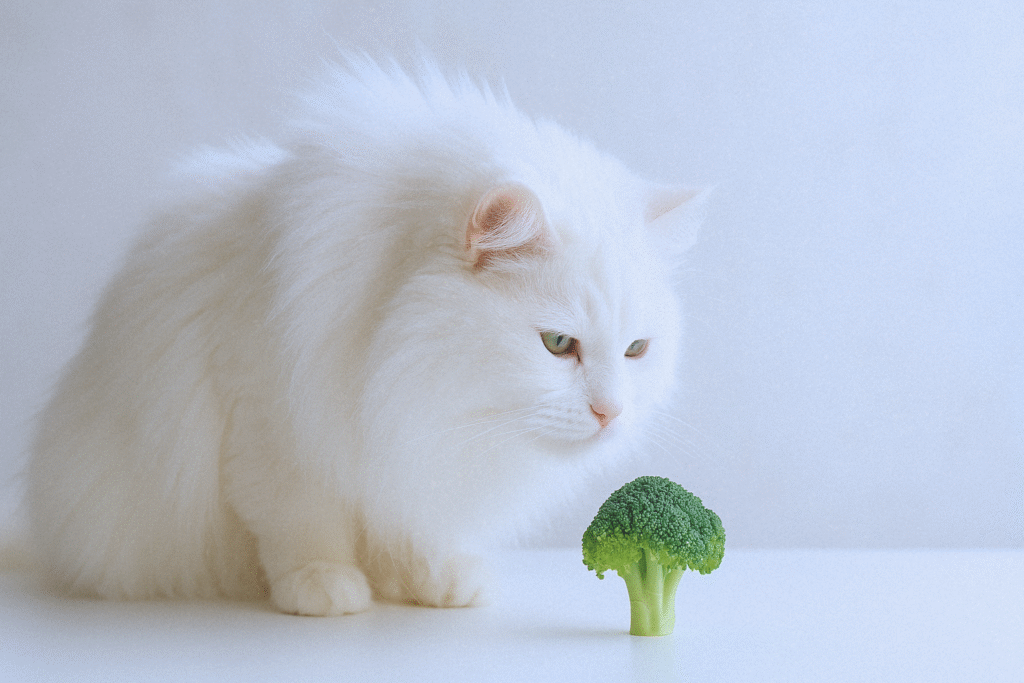
Broccoli might be a dinner table staple for humans, but what happens when your cat sneaks a bite? Should you panic — or praise their adventurous palate? As a veterinarian, I get this question more often than you’d expect. Let’s unpack whether this cruciferous vegetable is a friend or foe for your feline.
What Is Broccoli?
Broccoli (Brassica oleracea) is a green cruciferous vegetable known for its tree-like structure and rich nutritional profile. It’s packed with fiber, vitamins C and K, folate, potassium, and powerful antioxidants like sulforaphane. People commonly eat it raw, steamed, roasted, or stir-fried.
While it’s hailed as a superfood in human diets, that doesn’t automatically make it safe for cats — who have very different digestive systems and nutritional needs.
Is Broccoli Safe for Cats?
Yes — broccoli is non-toxic to cats and safe in small amounts.
The ASPCA lists broccoli as a non-toxic plant for cats, and it’s generally well tolerated when prepared properly. Many cats are even naturally curious about cooked vegetables and may enjoy the texture or scent of steamed broccoli.
That said, broccoli is not a necessary part of a cat’s diet. Cats are obligate carnivores, meaning they require animal-based proteins and nutrients to thrive. Broccoli should only ever be a treat — not a dietary staple.
Are There Any Benefits of Broccoli for Cats?
While cats don’t need broccoli, it can offer a few small health bonuses when fed appropriately:
- Digestive fiber: A bit of cooked broccoli may help with mild constipation or hairball issues, thanks to its fiber content.
- Antioxidants: Compounds like sulforaphane and vitamin C support immune function — although cats already synthesize their own vitamin C.
- Mental enrichment: Some cats enjoy the crunch and novelty of broccoli, especially if it’s steamed and soft but still chewy. Offering new textures can stimulate picky eaters or indoor cats needing enrichment.
Remember: these benefits are minimal compared to what cats get from meat-based diets. Broccoli is more about safe variety than essential nutrition.
What Are the Risks of Feeding Broccoli to Cats?
While broccoli is considered safe, there are a few risks to keep in mind:
- Digestive upset: Too much broccoli can lead to gas, bloating, or mild diarrhea due to its high fiber and sulfur content.
- Choking hazard: Raw or overly large florets may pose a choking risk or be difficult to digest.
- Additives and oils: Broccoli that’s been cooked with garlic, onion, butter, salt, or seasoning is not safe for cats. Garlic and onion are especially toxic to felines and can lead to anemia.
For that reason, always serve plain, steamed, or boiled broccoli with no extras — and in small portions.
How to Feed Broccoli to Your Cat (If You Choose To)
If your cat seems curious about your vegetables, here’s the safest way to offer broccoli:
- Choose fresh, organic broccoli when possible.
- Steam or boil it until soft but not mushy. This makes it easier to chew and digest.
- Cut it into bite-sized pieces — no larger than a fingernail.
- Serve plain, with no salt, oil, or seasoning.
- Offer a tiny portion first (a teaspoon or less), and monitor your cat for any signs of digestive upset.
Don’t force your cat to eat it. Some will love it, others will walk away unimpressed — and that’s perfectly fine.
Can Kittens Eat Broccoli?
Kittens have developing digestive systems and more sensitive stomachs than adult cats. While broccoli is technically safe, it’s best to wait until your kitten is at least 6–8 months old before offering any non-meat treats.
Focus on a balanced, protein-rich kitten food during the first months of life. When they’re older, a small nibble of steamed broccoli can be a fun test of their curiosity — but it should never replace real nutrition.
Safer and Healthier Treat Alternatives
If your goal is to supplement your cat’s diet with healthy treats, these options are better suited for feline digestion:
- Cooked chicken or turkey — Lean and protein-rich
- Plain cooked pumpkin — Excellent for digestion and hairball control
- Commercial freeze-dried liver treats — Nutrient-dense and irresistible to most cats
- Catnip or silvervine — For enrichment and mood stimulation
Vegetables like broccoli can be fine in moderation, but these alternatives align better with your cat’s natural dietary needs.
Vet’s Final Verdict
So — can cats eat broccoli? Yes, in moderation. Broccoli is non-toxic and generally safe for cats when cooked and served plain. A small floret or two can even support digestion and offer enrichment.
Still, broccoli is not necessary or particularly beneficial to a cat’s diet. It’s more of a safe snack than a health booster. If your cat enjoys it, feel free to offer it occasionally. If not, skip it without guilt — there are far better treats out there.
As always, when introducing any new food, start small and consult your veterinarian if your cat has existing health conditions or dietary sensitivities.