Can Cats Eat Bell Peppers? The Surprisingly Safe Snack Revealed
Bell peppers are a colorful staple in many human meals, but if your cat has ever shown interest in those red, yellow, or green slices on your cutting board, you might wonder: Can cats eat bell peppers? The answer may surprise you — and it’s worth knowing before you share even a tiny piece with your feline friend.
Let’s break down whether bell peppers are safe, beneficial, or best avoided for cats.
What Are Bell Peppers?
Bell peppers — also known as sweet peppers or capsicums — are a type of non-spicy pepper in the nightshade family (along with tomatoes and eggplants). They’re crunchy, juicy, and come in a variety of colors: red, yellow, orange, and green. Nutritionally, they’re packed with vitamin C, beta-carotene, and antioxidants for humans — often promoted as a superfood in salads and cooked dishes.
But cats aren’t humans. So do these nutrients translate into benefits for our feline companions?
Are Bell Peppers Safe for Cats?
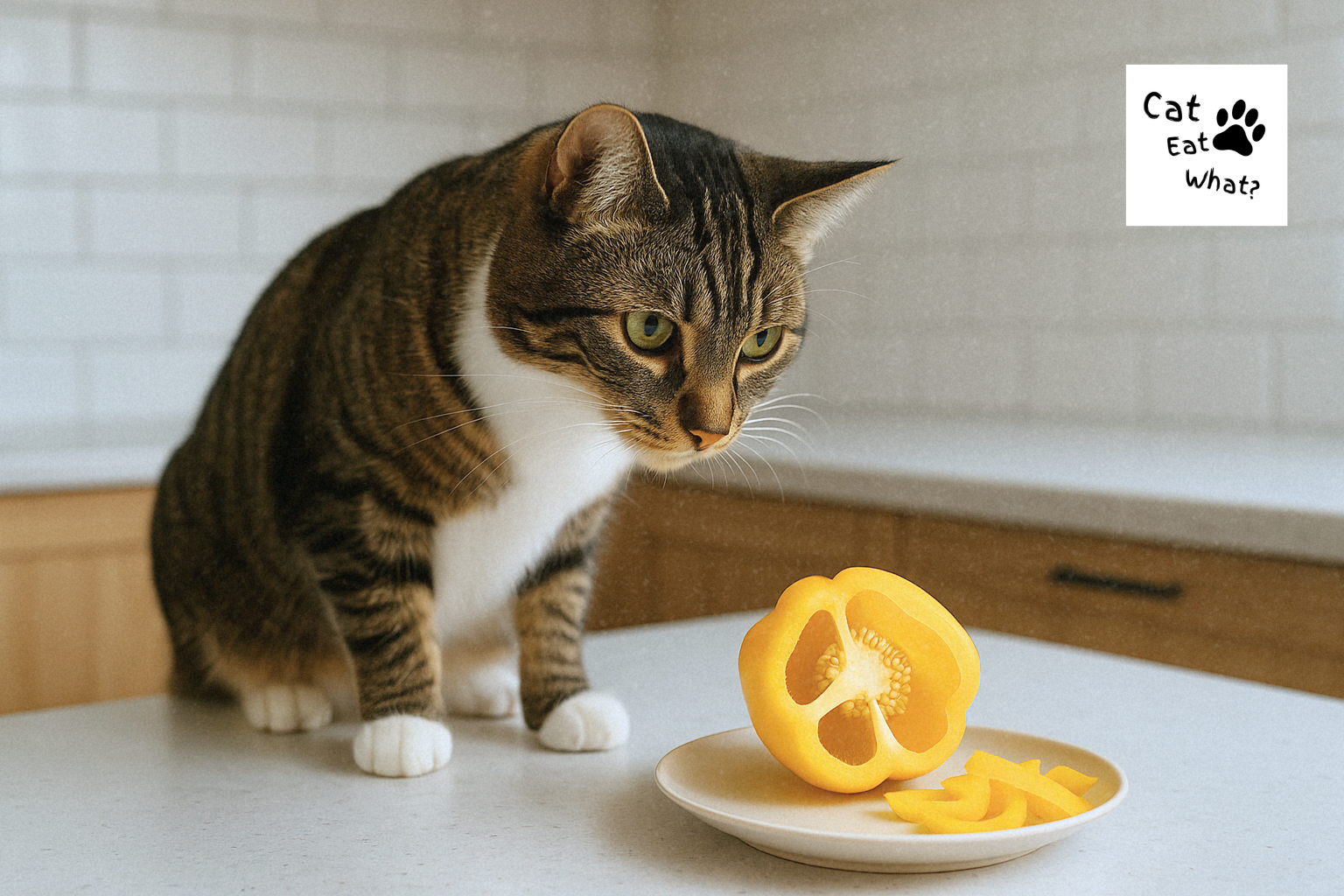
Yes — bell peppers are safe for cats in small amounts, as long as they are served plain and raw. None of the common varieties (red, yellow, orange, green) are toxic to cats. However, “safe” doesn’t always mean “beneficial,” and moderation is key.
It’s important to distinguish bell peppers from spicy varieties like chili or jalapeño — those are absolutely unsafe for cats due to capsaicin content. Bell peppers, on the other hand, contain no capsaicin and are considered non-irritating.
Still, some cats may not digest them well, so it’s best to start with a tiny piece and monitor their reaction.
Any Benefits of Bell Peppers for Cats?
While cats are obligate carnivores and don’t require vegetables in their diet, there are a few minor upsides to offering bell peppers:
- Antioxidants: Especially red bell peppers, which are richest in beta-carotene (a precursor to vitamin A) and antioxidants that fight cellular damage.
- Hydration: Bell peppers are over 90% water, which can support hydration.
- Low Calorie Treat: If your cat enjoys chewing on something crunchy, bell peppers can be a low-calorie, low-fat snack option compared to store-bought treats.
That said, these benefits are minimal — your cat’s primary nutritional needs must come from meat-based proteins, not plants.
Are There Any Risks?
There are a few potential risks, especially if your cat eats too much bell pepper or if it’s not prepared properly:
- Digestive upset: Cats lack the enzymes to efficiently digest plant fibers. Too much bell pepper may cause gas, vomiting, or diarrhea.
- Choking hazard: Bell peppers are tough-skinned and chewy. Large or poorly cut pieces can pose a risk, especially for kittens or older cats.
- Seasoned or cooked peppers: Peppers prepared with garlic, onions, oil, or spices are dangerous for cats. Only serve raw, unseasoned pieces.
In rare cases, cats may also have an intolerance to certain vegetables. Always observe your pet closely the first time you offer any new food.
How to Offer Bell Peppers to Cats
If your cat seems curious and you want to give it a taste, here’s the safest way to do it:
- Use raw bell pepper only — ideally red or yellow for sweetness.
- Wash thoroughly to remove pesticides or dirt.
- Remove seeds and core, which are tough and fibrous.
- Slice a tiny piece — no larger than your fingernail.
- Serve plain — no dips, oils, salt, or seasonings.
Offer the piece by hand or place it in their bowl. Some cats will ignore it entirely; others might nibble out of curiosity.
Tip: If your cat doesn’t show interest, don’t force it. Bell peppers are not a necessary addition to their diet.
Can Kittens Eat Bell Peppers?
Technically, yes — but it’s not recommended.
Kittens have far more sensitive stomachs than adult cats and are still developing their dietary tolerance. Introducing fibrous vegetables like bell pepper too early could cause unnecessary digestive upset.
Stick to a protein-rich, vet-approved kitten diet during the growth stage. Bell peppers can wait — and even then, they should only be an occasional nibble.
Healthier Alternatives to Bell Peppers
If you’re looking for safe, crunchy, or low-calorie snacks for your cat, here are a few vet-approved options:
- Cooked carrots (soft and mashed for easier digestion)
- Steamed zucchini (plain, peeled, and chopped)
- Cucumber slices (peeled and seedless)
- Plain cooked pumpkin (great for digestion in small amounts)
All treats should be offered in moderation and never replace a complete feline diet.
Vet’s Final Verdict
Can cats eat bell peppers?
Yes — in small, raw, and unseasoned amounts, bell peppers are a safe, low-risk treat for cats.
However, they’re not particularly beneficial and offer no real nutritional value that your cat can’t get elsewhere. If your cat is curious and takes a bite, there’s no need to panic. Just make sure you prepare it properly and observe for any signs of discomfort.
As always, when introducing any new food, consult with your veterinarian if you have concerns or if your cat has underlying health conditions.