Can Cats Eat Avocados? Risks, Myths, and Vet-Approved Advice
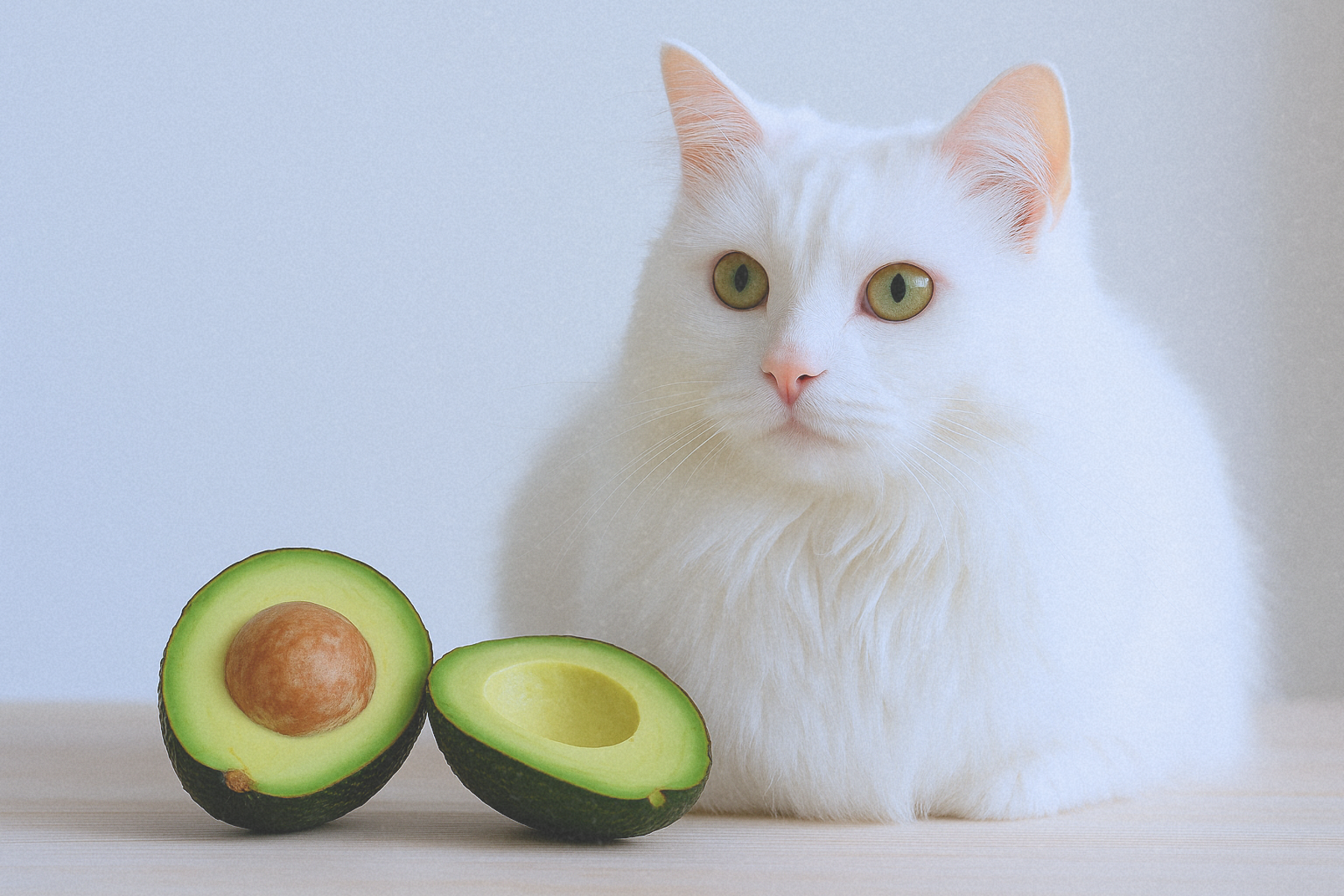
Avocados are everywhere — from trendy brunch plates to health-focused snacks. But what happens when your cat gets curious? Many cat owners have asked: Can cats eat avocados, or is this creamy fruit too risky? As a veterinarian, I’ve seen confusion swirl around avocados and pets. Let’s cut through the myths and get clear, practical answers.
What Are Avocados?
Avocados are fruits that come from the Persea americana tree, native to Central America. Known for their creamy texture and high-fat content, they’re often labeled as a “superfood” for humans. Avocados are rich in monounsaturated fats, potassium, fiber, and antioxidants like vitamin E. They’re praised for supporting heart health and skin — in people.
But when it comes to cats, the nutritional picture isn’t so straightforward. Cats have different dietary needs and metabolic sensitivities. So while avocados are healthy for humans, that doesn’t mean they’re a good idea for your feline.
Is Avocado Safe for Cats?
Not entirely. Some parts of the avocado plant are toxic to animals — particularly to birds, horses, and certain farm animals. The toxin responsible is called persin, a naturally occurring compound found in the skin, pit, and leaves of the avocado.
Here’s the good news: Cats are far less sensitive to persin than other species. In small amounts, the flesh of ripe avocado isn’t usually toxic to cats. That said, safety doesn’t mean suitability — and just because it might not poison them doesn’t mean it’s a smart treat.
Any Benefits for Cats?
Technically, avocado flesh contains healthy fats and vitamins that could offer some nutritional perks. The monounsaturated fats in avocado may help support a shiny coat and healthy skin. Vitamin E is an antioxidant, and potassium plays a role in fluid balance and nerve function.
But here’s the reality: your cat doesn’t need avocado to be healthy. High-quality cat food already provides these nutrients in balanced, digestible forms. Adding avocado isn’t just unnecessary — it may also upset their sensitive digestive system.
Risks Involved
Even though persin isn’t a major concern for cats in small doses, avocados still carry other risks:
- High fat content: Avocados are calorie-dense and fatty. In cats, this can lead to digestive upset, including vomiting or diarrhea, especially if eaten in larger quantities.
- Choking hazard: The pit is a serious danger. If your cat plays with or bites into it, it can cause choking or intestinal blockage.
- Toxic parts: While the flesh is relatively safe, the skin and pit contain higher concentrations of persin and should always be avoided.
- Pancreatitis risk: Fatty treats can increase the risk of pancreatitis, a painful and potentially serious condition in cats.
So while a small lick of avocado flesh may not be an emergency, feeding it intentionally or regularly is not recommended.
Best Way to Offer It (If You Must)
If your cat accidentally licked a bit of avocado from your plate, you likely don’t need to panic. But if you’re intentionally letting them try it, follow these strict rules:
- Only offer a tiny amount — no more than 1/4 teaspoon
- Only ripe avocado flesh — no skin, no pit, no guacamole
- No seasonings — garlic, onions, and salt are harmful to cats
- Monitor closely for any signs of vomiting, diarrhea, or discomfort
That said, most vets (including me) wouldn’t recommend offering avocado at all. There are safer, more suitable treats that cats actually enjoy.
Can Kittens Eat Avocados?
Absolutely not. Kittens have even more delicate digestive systems and a much higher risk of experiencing adverse effects from rich or unfamiliar foods. The fat content alone can upset their stomachs, and their tiny size makes even a small exposure more significant. Stick to a vet-approved kitten diet — no exceptions.
Safer Alternatives
If you’re looking to treat your cat with something special, try these safer, cat-friendly options instead:
- Cooked plain chicken or turkey – High-protein and easy to digest
- Pumpkin (plain, canned) – Good for digestion in small amounts
- Freeze-dried salmon treats – Protein-rich and highly palatable
- Catnip or silvervine – For enrichment, not food, but still a hit
These options are not only safer — they’re actually enjoyable for most cats, unlike avocado, which many cats simply ignore.
Vet’s Final Verdict
So — can cats eat avocados? Technically, small amounts of ripe avocado flesh are not toxic to cats. But that doesn’t mean it’s a good idea. The risks outweigh the potential benefits, especially when safer, more appropriate treats exist. Skip the trendy fruit and reach for something better suited to your cat’s digestive system.