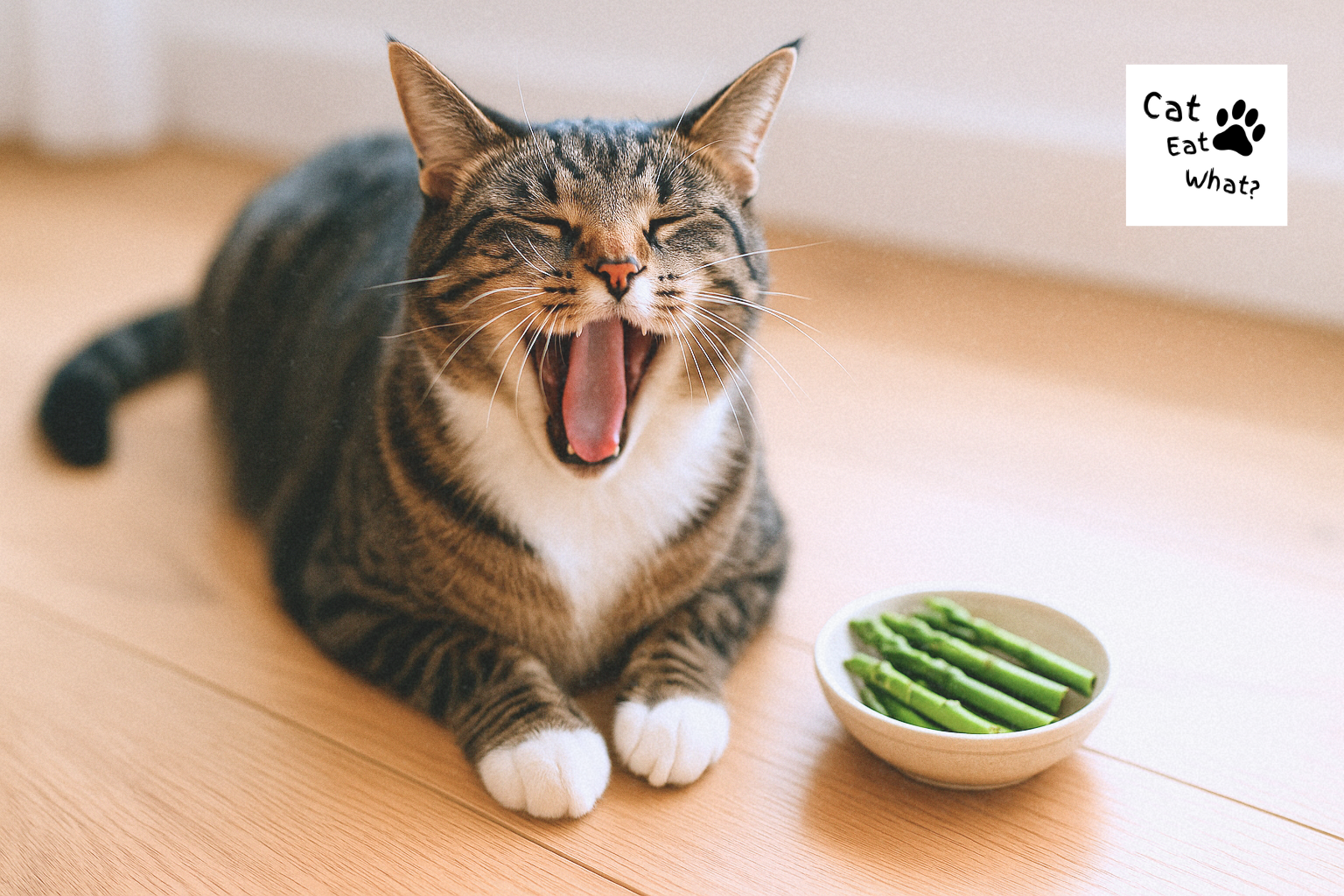
Can Cats Eat Asparagus? A Surprisingly Healthy Yet Tricky Snack
As a cat parent, it’s natural to wonder: can cats eat asparagus? This green vegetable is often hailed as a superfood for humans — but does that translate to our feline companions? The answer might surprise you.
Let’s dig into whether asparagus is safe for cats, explore the potential benefits and risks, and help you make the best decision for your furry friend.
What Is Asparagus?
Asparagus is a nutrient-rich green vegetable known for its spear-like stalks and slightly bitter, earthy flavor. It’s commonly roasted, steamed, or added to dishes like risottos and pastas. Packed with fiber, folate, and antioxidants, asparagus is a popular choice for health-conscious eaters.
There are two main types — green and white — with green being most common in kitchens. While it’s celebrated in human diets, cats have very different digestive systems, and not all healthy human foods are appropriate for them.
Is Asparagus Safe for Cats?
Yes — in moderation, asparagus is not toxic to cats. According to the ASPCA, asparagus is considered non-toxic to both cats and dogs.
That said, “non-toxic” doesn’t automatically mean “beneficial.” Cats are obligate carnivores, and their bodies are designed to process meat — not vegetables. While a small bite of cooked asparagus is generally safe, it should never become a staple in your cat’s diet.
Are There Any Benefits for Cats?
Surprisingly, asparagus offers a few minor health benefits — though they’re far less significant than in humans.
Here’s what asparagus contains that might help your cat in small doses:
- Fiber: Can aid digestion and support bowel regularity, especially in cats prone to constipation.
- Antioxidants: Asparagus is rich in compounds like vitamin E and glutathione, which help combat cellular stress.
- Prebiotics: Asparagus contains inulin, a fiber that may support healthy gut bacteria.
However, these benefits are minimal for cats, and your pet will gain everything they need from a high-quality animal-protein-based diet. Think of asparagus as a novelty — not a necessity.
Risks of Feeding Asparagus to Cats
Despite being non-toxic, asparagus does come with some notable cautions for cats:
- Digestive upset: The fibrous stalks can be tough to chew and digest, especially raw. This can lead to vomiting or diarrhea.
- Choking hazard: Asparagus spears can be stringy or hard, especially if not cut into small pieces.
- Urine odor: Asparagus is famous for affecting the smell of urine — in cats, it may lead to strong, unusual odors that are unpleasant in litter boxes.
- High alkaline load: Asparagus is mildly alkaline. In cats prone to urinary issues (e.g., struvite crystals), excessive alkalinity in the urine may contribute to problems.
If your cat has a history of urinary tract issues, it’s best to avoid asparagus entirely.
Best Way to Offer It (If You Do)
If you’d like to offer your cat a taste of asparagus, follow these simple rules to keep things safe:
- Cook it lightly: Steam or boil it without any salt, butter, or oil.
- Cut into tiny pieces: Ensure it’s soft and bite-sized to prevent choking.
- Serve plain: No seasoning or sauces.
- Limit quantity: A bite or two is more than enough — think of it as an occasional treat, not a side dish.
Always observe your cat for any signs of discomfort after introducing a new food.
Can Kittens Eat Asparagus?
No — asparagus is not recommended for kittens.
Their digestive systems are more sensitive, and they require a precise balance of nutrients to grow properly. Introducing fibrous or unnecessary plant matter like asparagus may cause gastrointestinal distress or interfere with nutrient absorption.
Stick to vet-approved kitten food until your cat reaches adulthood.
Safer Alternatives to Asparagus
If you’re looking to add some variety to your cat’s diet or offer a safe snack, consider these healthier, feline-friendly alternatives:
- Cooked pumpkin – Great for digestion and high in fiber
- Steamed carrots – Soft, mildly sweet, and easy to digest
- Zucchini – Low-calorie and safe when cooked
- Peas – Often included in commercial cat food for added texture
These options are gentler on the digestive system and better suited for occasional feeding.
Vet’s Final Verdict
Can cats eat asparagus? Yes — but only in small, occasional amounts and only if your cat tolerates it well.
It’s not toxic, and it can offer minor digestive benefits thanks to its fiber. But the potential downsides — particularly digestive upset and urinary changes — mean it should never be a regular treat. Most cats won’t even like the texture or smell of it.
When in doubt, skip the veggie platter and stick to cat-safe proteins and balanced commercial foods.