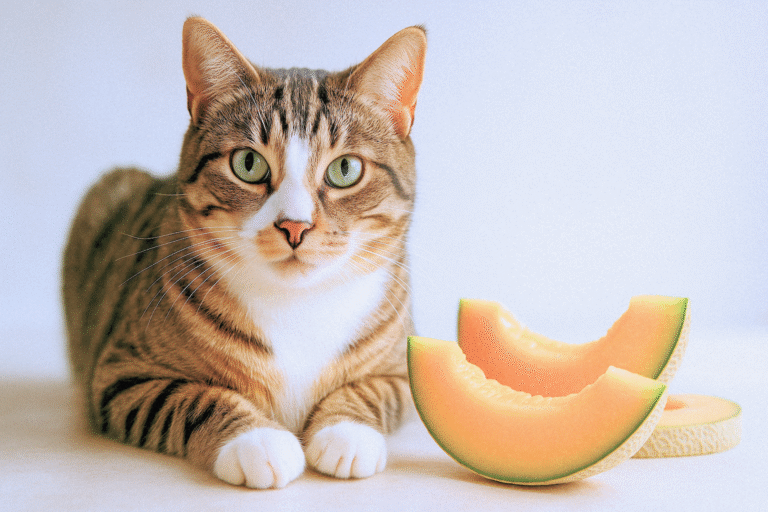
Can Cats Eat Bananas? A Vet-Reviewed Safety Guide
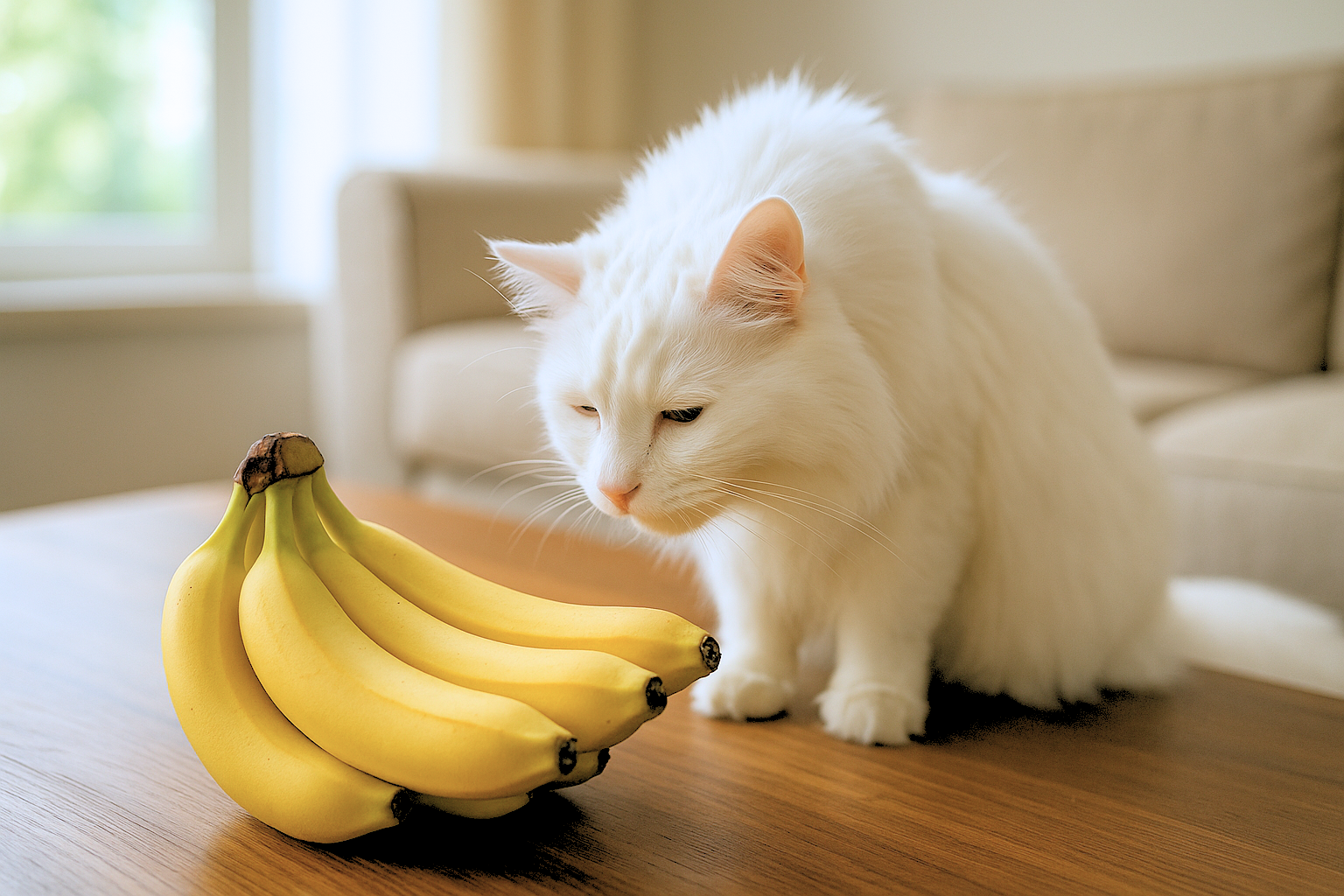
It’s common for curious cats to sneak a bite of your food—and if that snack is a banana, you might wonder: Can cats eat bananas safely?
The short answer is yes, cats can eat bananas in small quantities. Bananas are non-toxic to cats according to the ASPCA, but that doesn’t mean they should become part of your cat’s regular diet. Let’s explore how bananas affect cats, how much is safe, and what to watch out for.
Are Bananas Safe for Cats?
Yes, bananas are safe but unnecessary. Cats are obligate carnivores, which means their digestive systems are built to process meat—not fruit. While bananas don’t contain any toxic compounds, they also don’t offer much nutritional value to your cat.
That said, if your cat shows interest in bananas, offering a very small piece occasionally is perfectly fine.
Do Cats Even Like Bananas?
Some cats love the texture and mild smell, while others will turn up their nose immediately. Unlike humans, cats can’t taste sweetness, so their interest usually comes from texture, smell, or curiosity rather than flavor.
If your cat doesn’t show interest, don’t worry. There’s no nutritional loss in skipping bananas altogether.
🟡 What Are Bananas, Anyway?
Bananas are one of the most popular fruits in the world. They come from large herbaceous plants and are technically classified as berries. Known for their soft texture, sweet taste, and nutrient-rich profile, bananas are a staple snack for humans across all cultures.
They contain natural sugars like fructose, glucose, and sucrose, giving them a high energy value. While that makes them great for humans before a workout, for cats it’s a different story. Cats don’t need carbohydrates or sugar for energy—they’re built to run on protein and fat.
Still, bananas’ low toxicity and easy availability make them one of the few “people foods” you can safely offer—if you know how to do it right.
Nutritional Profile of Bananas (for Cats)
Bananas contain:
- Potassium
- Vitamin C
- Vitamin B6
- Fiber
- Natural sugars
While these are beneficial to humans, cats have no dietary need for them. Their bodies are designed to extract nutrients from meat, not fruit. Feeding too much banana can actually cause:
- Upset stomach
- Diarrhea
- Increased blood sugar (especially dangerous for diabetic cats)
How to Safely Serve Bananas to Cats
If your cat wants to try a banana, here’s how to do it safely:
- Use ripe bananas – green bananas are harder to digest
- Peel completely – banana peels are indigestible and pose a choking risk
- Cut into small bits – a piece no larger than a fingertip
- Serve plain – no honey, yogurt, peanut butter, or additives
- Limit frequency – no more than once a week
💡 Vet tip: If your cat has never had fruit before, try just one tiny bite and monitor them for 24 hours.
Risks of Feeding Bananas to Cats
While not toxic, bananas can pose risks if:
- Overfed – too much fiber or sugar can cause GI upset
- Fed with peel – causes blockage or choking
- Mixed with other human food – especially sugary or processed foods
- Given to diabetic cats – bananas spike blood sugar
If your cat vomits or has diarrhea after eating banana, skip fruit treats entirely and consult your vet.
Can Kittens Eat Bananas?
No. Kittens have developing digestive systems and should stick strictly to kitten-formulated food. Introducing fruit too early may interfere with proper nutrition or cause illness.
Wait until adulthood (12+ months) before trying any non-essential treats.
Alternatives to Bananas for Cats
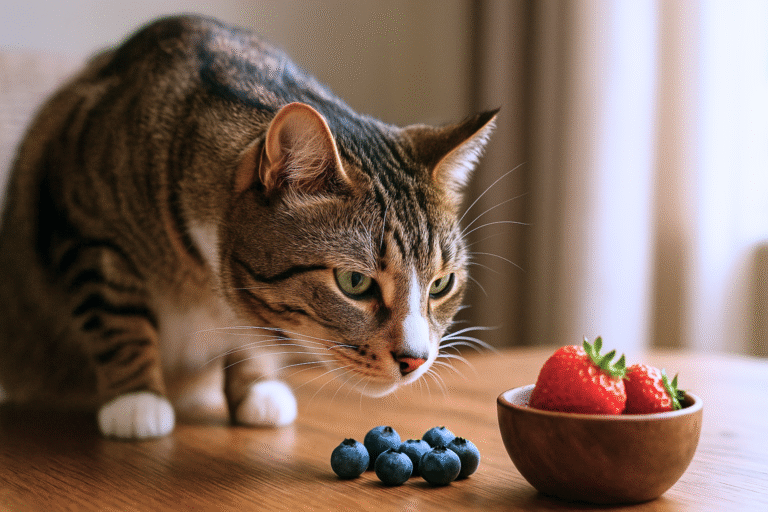
If your cat seems to like fruit, safer occasional treats include:
- Blueberries
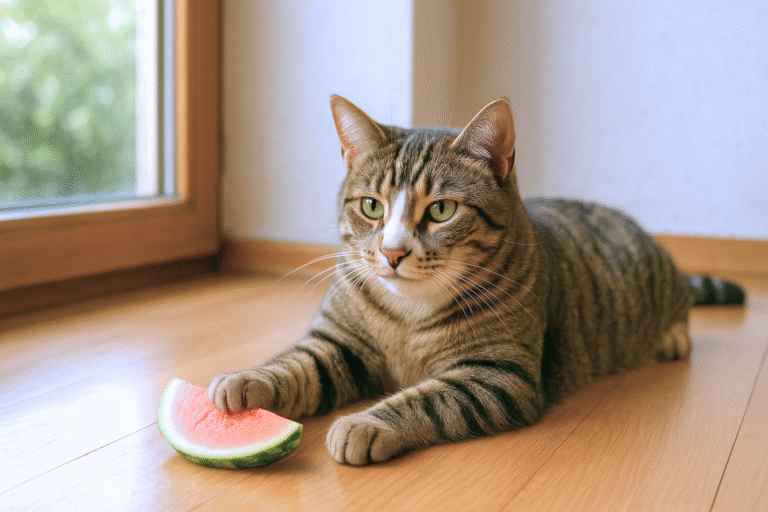
- Watermelon (no seeds or rind)
- Strawberries
- Apples (peeled, no seeds)
🚫 Never offer grapes, raisins, citrus, or dried fruit—these can be toxic.
🍽️ Related Reading
Want to learn more about fruit safety for cats? Check out:
These guides are written with veterinary oversight and give clear, science-based answers for pet parents.
Conclusion
So—can cats eat bananas? Yes, but only in very small amounts and only occasionally. Bananas are not toxic, but they’re also not necessary. As with all human foods, moderation and simplicity are key.
Use treats like this to bond with your cat—but don’t let them replace their core diet. When in doubt, always ask your vet.