Can Cats Eat Strawberries? A Vet-Approved Answer
Strawberries are sweet, colorful, and packed with vitamins—so it’s natural to wonder: can cats eat strawberries safely? The answer is yes, with some caution.
While strawberries are non-toxic to cats, they’re not essential or particularly beneficial to their diet. Cats are carnivores by nature, and fruit plays no role in their nutritional needs. That said, an occasional strawberry isn’t harmful—and some cats may enjoy it for the novelty.
Let’s break down how to feed strawberries safely, what to avoid, and whether they’re actually good for your feline.
Are Strawberries Safe for Cats?
Yes—strawberries are safe for cats in moderation. They are not toxic and won’t harm a healthy adult cat if served properly.
However, strawberries do contain natural sugar, fiber, and trace acids. While harmless to humans, cats have a much more sensitive digestive system.
More importantly, cats lack the enzymes to properly process plant-based foods, so even small fruits like strawberries should be treated as a rare treat—not a regular part of their diet.
Do Cats Like Strawberries?
Surprisingly, some do!
Even though cats can’t taste sweetness (they lack sweet taste receptors), they may be curious about the smell, color, or texture. Your cat might:
- Sniff or lick the fruit
- Bat it around like a toy
- Take a nibble out of curiosity
Other cats may ignore it completely. Either way is normal.
How to Feed Strawberries to Cats Safely
To avoid digestive issues or choking, follow these steps:
- Wash the strawberry thoroughly (remove pesticides and dirt)
- Remove the stem and leaves – these are indigestible
- Cut the strawberry into small pieces – about the size of dry kibble
- Offer a tiny amount (1 small piece to start)
- Observe for 24 hours for vomiting, diarrhea, or other signs of discomfort
💡 Tip: Always introduce new foods slowly, and never mix multiple new foods at once.
Nutritional Value of Strawberries for Cats
While strawberries are rich in:
- Vitamin C
- Fiber
- Antioxidants
- Natural hydration
…these benefits mean little to cats. They don’t synthesize or absorb plant-based nutrients efficiently, and too much fiber or sugar can upset their stomach.
Think of strawberries as enrichment—not nutrition.
Can Kittens Eat Strawberries?
No—kittens have even more sensitive digestive systems.
Until they’re at least 6 months old and fully transitioned to adult food, it’s best to avoid giving any fruits or human snacks.
Stick to a high-quality kitten formula and vet-approved kitten treats.
When NOT to Feed Strawberries to Cats
Avoid giving strawberries if your cat has:
- Diabetes or insulin resistance
- Obesity
- IBD or a sensitive stomach
- A history of food allergies
Even for healthy cats, never offer more than a couple small bites, and never daily.
According to the ASPCA’s official toxic food list, strawberries are not toxic to cats, but always monitor your pet after trying new foods.
Better Treat Alternatives for Cats
Instead of fruit, choose these healthier, species-appropriate treats:
- Freeze-dried salmon or chicken
- Plain cooked egg (no salt or oil)
- Water-based tuna (unsalted)
- Vet-formulated commercial treats
These mimic your cat’s natural prey and provide protein—not sugar.
Other Fruits Cats Can Eat
In moderation, cats can occasionally try:
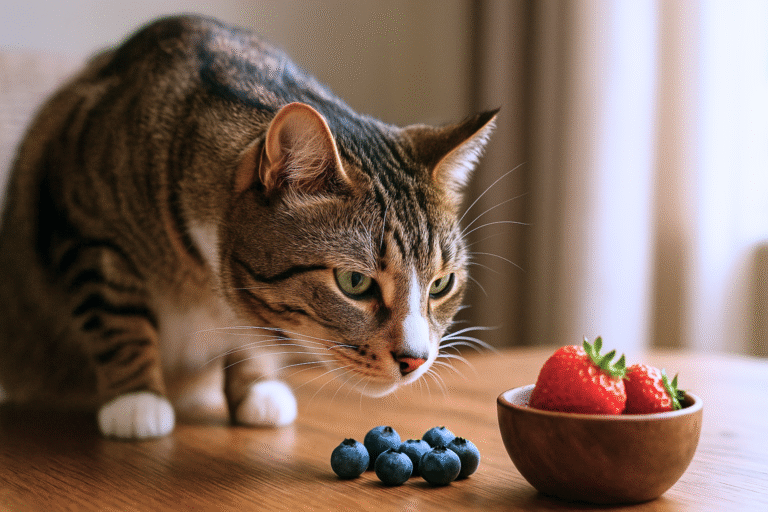
- Blueberries
- Bananas
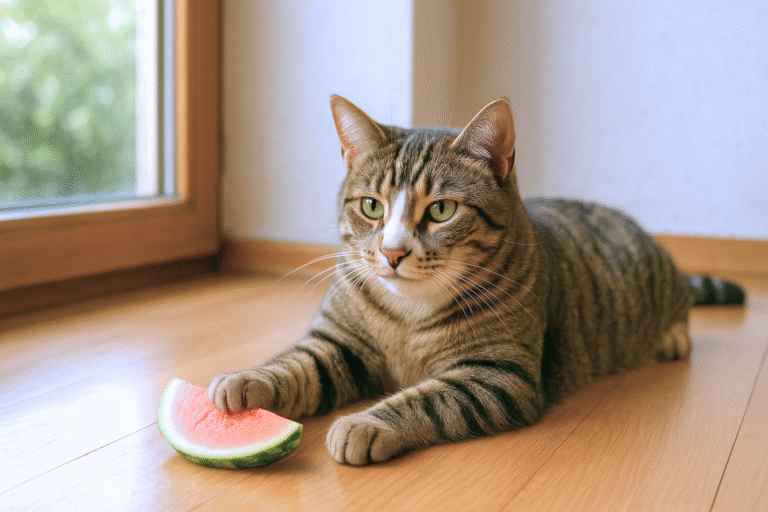
- Watermelon
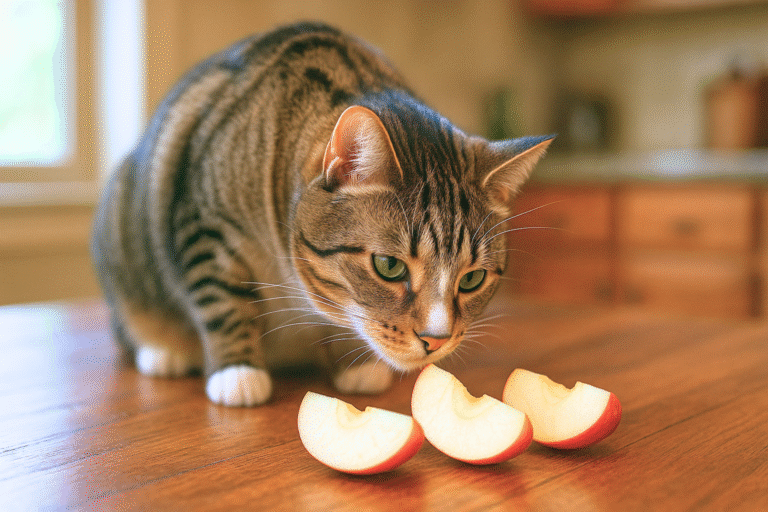
- Apple (no seeds or skin)
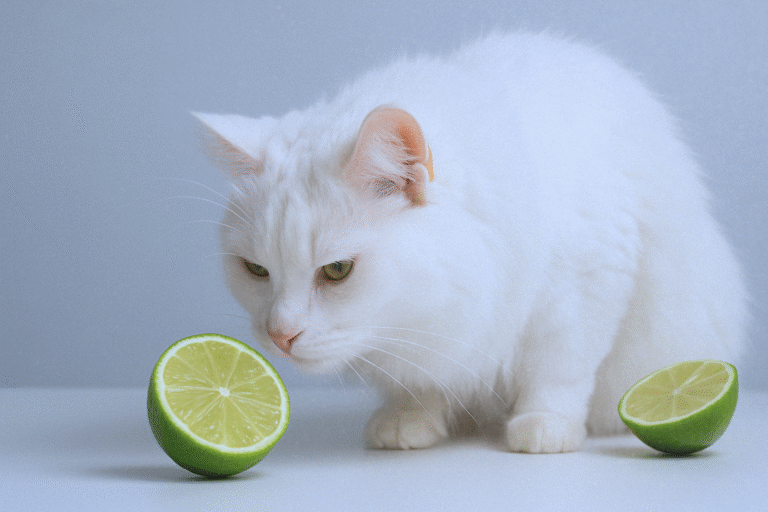
Avoid: grapes, raisins, citrus, avocado, and dried fruits.
📚 Already curious? [Read: Can Cats Eat Watermelon?]
Conclusion
So, can cats eat strawberries? Yes—but only as a rare, properly prepared treat.
Strawberries are not toxic to cats, but they’re also not needed. A tiny slice once in a while can be fun for some felines—but if your cat isn’t interested, don’t worry.
Focus on high-quality animal protein for their core diet—and use treats like this only for curiosity and enrichment.
When in doubt? Ask your vet—and always start small.