Can Cats Eat Ice Cream? The Cool Treat That Can Cause Trouble
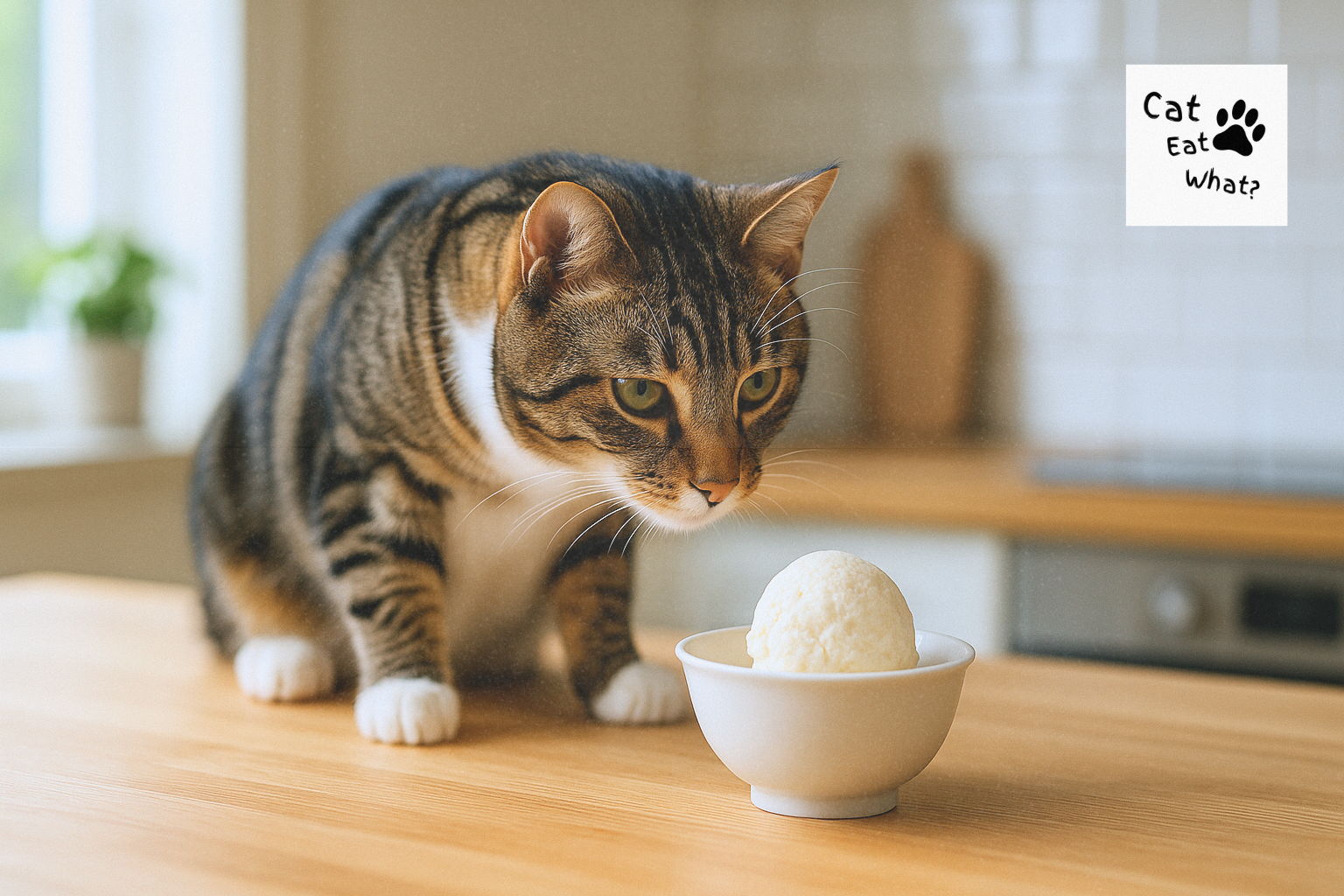
Ice cream is one of the most loved desserts in the world—a creamy, sweet indulgence that’s especially tempting on a hot summer day. But if you’ve ever caught your cat eyeing your bowl or trying to sneak a lick, you might have wondered: Can cats eat ice cream safely?
As a veterinarian-led blog, we’ll explore whether ice cream is safe for cats, why it can cause health issues, and what to do if your cat sneaks some. You’ll also find safer alternatives so you can still treat your cat without the risks.
What Is Ice Cream?
Ice cream is a frozen dessert made from dairy cream, milk, sugar, and often eggs, whipped together and frozen until smooth and creamy. It can come in hundreds of flavors, from vanilla and chocolate to exotic fruit blends.
While it’s a refreshing treat for people, ice cream contains several ingredients that are not well-suited for a cat’s digestive system, including:
- Dairy – Most cats are lactose intolerant, meaning they can’t digest milk sugars properly.
- Sugar – Cats can’t taste sweetness and don’t need sugar in their diet.
- Additives & flavorings – Chocolate, coffee, xylitol, and some fruits can be toxic to cats.
Is Ice Cream Safe for Cats?
The short answer: No, ice cream is not recommended for cats.
While a small lick of plain vanilla ice cream is unlikely to cause serious harm in most healthy adult cats, ice cream can trigger digestive upset and even pose toxic risks depending on the flavor.
Reasons ice cream is unsafe for cats:
- Lactose intolerance – Most adult cats lack the enzyme lactase needed to digest milk sugars, leading to diarrhea, gas, and bloating.
- High sugar content – Cats don’t benefit from sugar, and excessive sugar can contribute to obesity and diabetes.
- Toxic ingredients – Chocolate, coffee, raisins, macadamia nuts, and artificial sweeteners like xylitol are dangerous for cats.
- High fat – Creamy ice cream is high in saturated fat, which can contribute to weight gain and even pancreatitis.
Any Benefits for Cats?
From a nutritional perspective, ice cream offers no real benefits for cats.
- Protein and calcium – Present in dairy, but cats can get these nutrients in much better forms from meat and a balanced cat diet.
- Enjoyment – Some cats might like the texture or temperature, but this is more about novelty than nutrition.
- Moisture – While ice cream contains water, there are healthier ways to keep your cat hydrated.
The minimal positives are far outweighed by the negatives.
Risks Involved
Feeding ice cream to your cat—even in small amounts—comes with several risks:
1. Digestive upset
Lactose intolerance can cause:
- Diarrhea
- Gas
- Bloating
- Abdominal pain
2. Obesity and metabolic disease
High-fat, high-sugar treats can contribute to:
- Unhealthy weight gain
- Insulin resistance
- Increased risk of diabetes
3. Pancreatitis
Very fatty foods can trigger painful inflammation of the pancreas in some cats.
4. Toxic reactions
Flavors like chocolate or coffee ice cream can cause:
- Vomiting
- Tremors
- Seizures
- Even death in severe cases
Best Way to Offer It (If You Must)
If you absolutely want to give your cat a taste of ice cream:
- Choose plain, unsweetened, dairy-free ice cream made from coconut milk or goat’s milk, with no artificial sweeteners or toxic ingredients.
- Offer no more than a tiny lick—about the size of a pea.
- Make it a rare treat—once every few months at most.
- Monitor your cat for any signs of digestive upset afterward.
Can Kittens Eat Ice Cream?
No.
While kittens may have more lactase enzyme than adult cats, they still don’t benefit from ice cream. The sugar, fat, and possible toxins make it completely inappropriate for their delicate digestive systems. Stick to kitten formula, kitten food, and kitten-safe treats.
Safer Alternatives
If you want to give your cat something cold and tasty without the risks of ice cream, try these instead:
- Frozen cat treats – Many brands sell feline-friendly frozen snacks.
- Frozen Churu purée – Freeze small portions of Churu or similar cat purée treats.
- Frozen broth cubes – Freeze low-sodium chicken broth into ice cube trays for a refreshing snack.
- Cat-safe frozen yogurt – Plain, unsweetened, lactose-free yogurt frozen into small portions.
Vet’s Final Verdict
Ice cream might be one of your favorite indulgences, but for cats, it’s an unnecessary and potentially risky snack. While a single lick of plain vanilla ice cream is unlikely to cause serious harm, it offers no nutritional benefits and may cause stomach upset.
The safest choice is to keep ice cream for yourself and offer your cat specially made feline-friendly frozen treats instead. Your cat will be just as happy—and far healthier in the long run.