Can Cats Eat Cream? The Creamy Truth Every Cat Owner Should Know
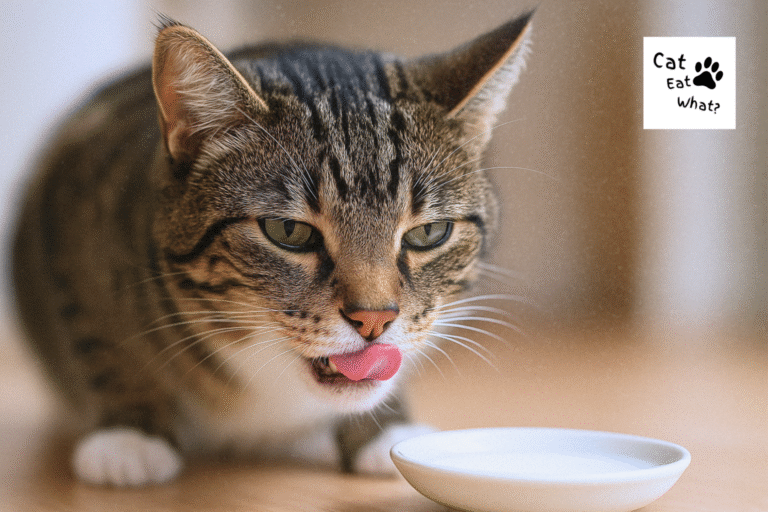
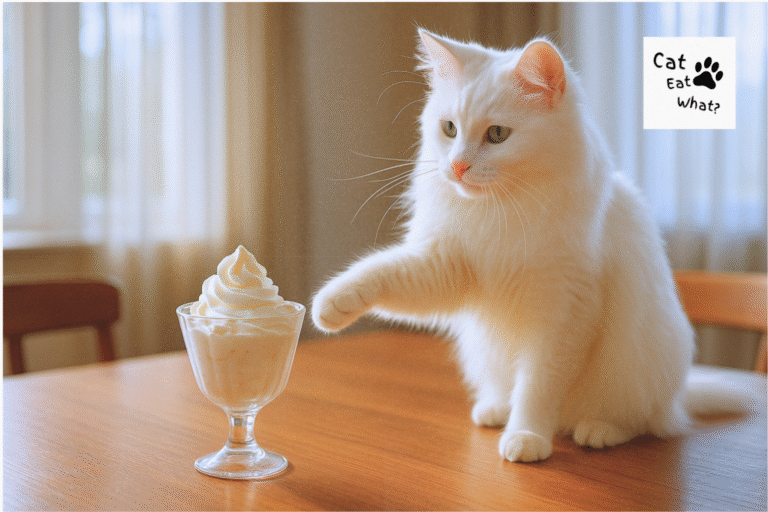
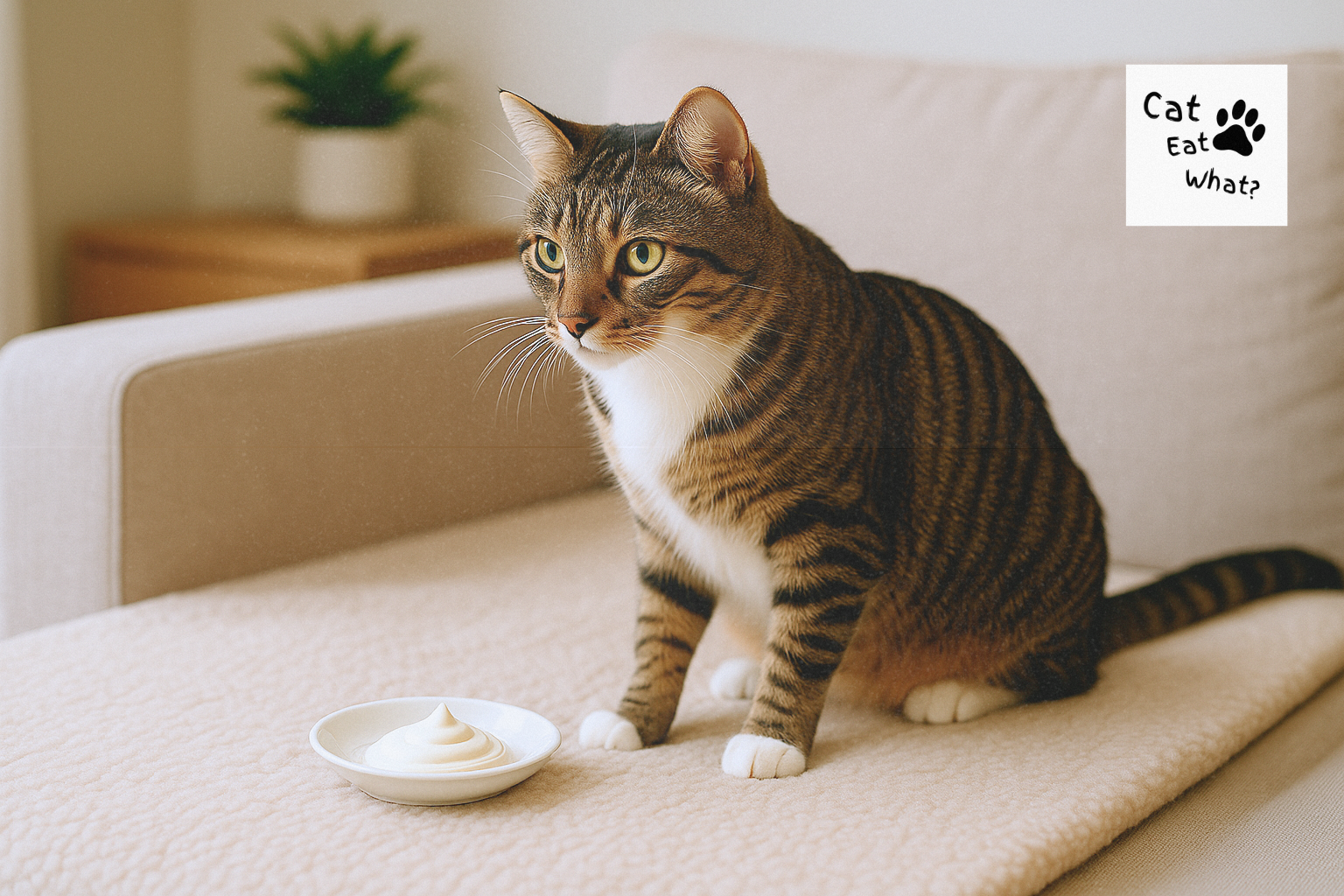
Cats and cream — it’s a picture that’s been painted for decades in storybooks, movies, and even cartoons. The image of a happy cat lapping up a saucer of cream feels timeless and harmless. But is it really safe? Can cats eat cream without risking their health, or is it one of those well-meaning treats that can actually cause more harm than good?
Let’s break down the facts so you can make the best decision for your feline friend.
What Is Cream?
Cream is the rich, high-fat layer skimmed from the top of milk before homogenization. It’s thicker, silkier, and more calorically dense than milk itself. Depending on where you live, cream can range from light cream (around 18% milkfat) to heavy whipping cream (up to 36% milkfat). It’s commonly used in coffee, desserts, sauces, soups, and whipped toppings.
While it’s considered a delicious indulgence for humans, it’s important to remember that cream is a dairy product, and cats process dairy very differently than people do.
Is Cream Safe for Cats?
The short answer: No, cream is generally not recommended for cats.
While a small lick of cream is unlikely to cause immediate harm in a healthy adult cat, regular feeding can lead to digestive upset, obesity, and other health problems. Most adult cats are lactose intolerant, meaning they lack the enzyme lactase needed to break down lactose — the natural sugar found in milk and cream.
When lactose isn’t digested properly, it can ferment in the gut, causing gas, bloating, diarrhea, and discomfort.
Any Benefits for Cats?
Nutritionally speaking, cream offers very little benefit for cats:
- Calories & Fat – Cream is high in saturated fat and calories, which can lead to weight gain.
- Small amount of protein – While dairy contains protein, cats already get sufficient, high-quality protein from their meat-based diet.
- Enjoyment factor – Some cats love the taste and smell, but that’s not a nutritional benefit — it’s purely sensory.
If your goal is to give your cat a treat, there are far healthier, safer options that won’t risk stomach upset.
Risks Involved
Feeding cream to cats comes with several potential risks:
- Digestive Upset – Diarrhea, gas, bloating, and abdominal discomfort are common in lactose-intolerant cats.
- Weight Gain & Obesity – Cream is calorie-dense; even small amounts can contribute to excess weight over time.
- Pancreatitis Risk – The high fat content can, in rare cases, trigger or worsen pancreatitis in cats.
- Nutrient Imbalance – Treats like cream displace healthier, nutrient-rich foods in a cat’s diet.
While a tiny lick from your spoon once in a blue moon is not likely to cause long-term harm, making cream a habit can have serious health consequences.
Best Way to Offer Cream (If You Must)
If you choose to let your cat taste cream as an occasional treat:
- Keep the portion tiny – Just a fingertip’s worth, no more than once every few weeks.
- Use lactose-free cream – Some grocery stores sell lactose-free dairy products, which may be gentler on a cat’s stomach.
- Watch for digestive signs – If you notice soft stools, gas, or discomfort, skip it entirely in the future.
- Never replace meals – Cream is a treat, not a food source.
Remember: A cat’s digestive system is designed for animal protein, not dairy indulgence.
Can Kittens Eat Cream?
No — kittens should not be given cream.
While very young kittens can digest their mother’s milk, cream is not the same thing. Cream is far higher in fat and lacks the balanced nutrients kittens need for healthy growth. Feeding cream can cause diarrhea and malnutrition in kittens, which can be dangerous.
If you are hand-rearing an orphaned kitten, use a commercial kitten milk replacer (KMR) — never cow’s milk or cream.
Safer Alternatives to Cream
If you’re looking for special, occasional treats your cat will love without the risks of cream, consider:
- Cooked chicken or turkey – Plain, unseasoned, skinless pieces.
- Freeze-dried meat treats – High-protein, low-carb snacks available in pet stores.
- Commercial cat milk – Specially formulated, lactose-free milk made for cats.
- Cooked salmon or tuna flakes – In moderation, as an occasional protein treat.
These options satisfy your cat’s craving for novelty without upsetting their stomach or adding unnecessary calories.
Vet’s Final Verdict
As much as the storybook image of a cat drinking cream is charming, reality tells a different story.
Dr. Fox’s advice: Skip the cream as a regular treat. It offers no real health benefit, carries significant risk of digestive upset, and contributes to weight gain. If your cat happens to sneak a lick now and then, it’s not an emergency — but it’s far better to offer safer, protein-based treats that support your cat’s overall health.
Your cat will be just as happy — and far healthier — without cream in their bowl.