Can Cats Eat Butter? The Creamy Truth Behind This Feline Temptation
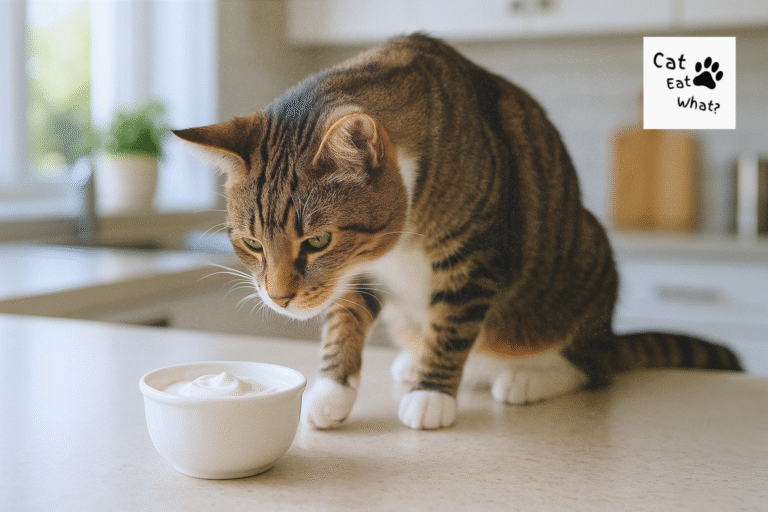
Butter is one of those foods that cats seem strangely drawn to — maybe it’s the smell, maybe the texture, or maybe just feline curiosity. But as a veterinarian, I often get asked: Can cats eat butter without harm? The answer isn’t as smooth as butter itself.
Let’s explore the risks, occasional benefits, and how (or if) butter fits into your cat’s diet.
What Is Butter?
Butter is a dairy product made by churning cream until the fat separates from the buttermilk. The result is a solid fat block rich in saturated fat and calories, commonly used in cooking and baking. It’s smooth, creamy, and irresistible to many — including pets.
There are several types of butter, including salted, unsalted, clarified (ghee), and flavored varieties. All of them, however, are composed mostly of milk fat and contain little to no fiber or protein.
To humans, butter is a tasty indulgence. But for cats, it’s something entirely different.
Is Butter Safe for Cats?
Technically, small amounts of plain, unsalted butter are not toxic to cats. If your cat licks a bit off your toast, there’s no need to panic.
However, just because it’s not toxic doesn’t mean it’s safe or healthy. Butter contains high levels of saturated fat, lactose, and salt (in some cases) — none of which are beneficial to your cat.
More importantly, most adult cats are lactose intolerant, and even tiny amounts of dairy can lead to digestive upset.
So yes, your cat can probably eat a small lick of butter without an emergency trip to the vet — but it’s not something you should ever offer intentionally.
Are There Any Benefits of Butter for Cats?
Let’s be honest: butter offers no real nutritional benefit to your cat.
Some cat owners believe that butter helps with:
- Hairball prevention — by “greasing” the digestive tract (not medically supported)
- Constipation relief — due to its fat content (risky and unreliable)
- Appetite stimulation — thanks to its smell and taste (short-lived and not ideal)
But these effects are anecdotal at best and not backed by veterinary science. There are much better, safer alternatives for every one of these goals.
In fact, giving butter to a cat regularly can cause more harm than good — especially when it comes to weight gain and pancreatitis.
What Are the Risks?
Feeding butter to your cat, even occasionally, comes with several risks:
- Digestive issues: Cats are poor at digesting lactose. Even a small amount of butter can lead to gas, bloating, vomiting, or diarrhea.
- Obesity: Butter is extremely calorie-dense. A teaspoon contains nearly 35–40 calories — a significant amount for a small animal like a cat.
- Pancreatitis: High-fat foods can trigger inflammation of the pancreas in some cats, which is a painful and potentially life-threatening condition.
- Salt and additives: Flavored or salted butter can introduce additional toxins or irritants, including garlic or onion powder — both of which are toxic to cats.
In short: the risks outweigh the fleeting pleasure of a buttery taste.
Best Way to Offer Butter (If You Must)
If your cat accidentally licks a small amount of butter from a plate or countertop, there’s no need for concern. But if you intentionally want to offer it as a treat (not recommended), follow these strict guidelines:
- Use only plain, unsalted butter
- Offer a tiny smear — no more than half a fingertip’s worth
- Limit it to no more than once a month
- Avoid any butter that’s seasoned or flavored
Never add butter to your cat’s regular food or use it to encourage eating — this can start a bad habit and unbalance their diet.
Can Kittens Eat Butter?
No — kittens should never be given butter.
While very young kittens can digest milk (from their mother), butter is still too fatty and salty for their underdeveloped systems. Feeding a kitten butter can lead to digestive upset, interfere with proper nutrition, and increase the risk of unhealthy weight gain early in life.
Stick to a kitten-specific diet and consult your vet if you’re dealing with constipation or poor appetite.
Safer Alternatives to Butter
If you’re looking for ways to treat your cat, or address digestive issues like hairballs or constipation, there are much better options than butter:
- Laxatone – A cat-safe, vet-approved gel for hairball management
- Canned plain pumpkin – Offers gentle fiber and helps with digestion
- Olive oil (tiny amounts) – May help with mild constipation (ask your vet first)
- High-fiber treats – Designed specifically for digestive support
Always choose treats and supplements that are formulated with cats in mind. Human food, no matter how natural, is rarely ideal for feline health.
Dr. Fox’s Final Verdict
So, can cats eat butter?
A tiny lick won’t hurt, but regular butter feeding is a no-go. There are zero nutritional benefits, and the health risks — from digestive upset to weight gain — just aren’t worth it.
Your cat may be curious about what’s on your plate, but remember: what’s safe for humans is not always safe for pets. Butter is best kept on your toast — not in your cat’s bowl.
References
Related Posts
- Can Cats Eat Cheese?
- Can Cats Drink Milk?
- Can Cats Eat Ice Cream?
- Meet Osmo and Safka