Can Cats Eat Cauliflower? A Surprisingly Safe Veggie for Curious Cats
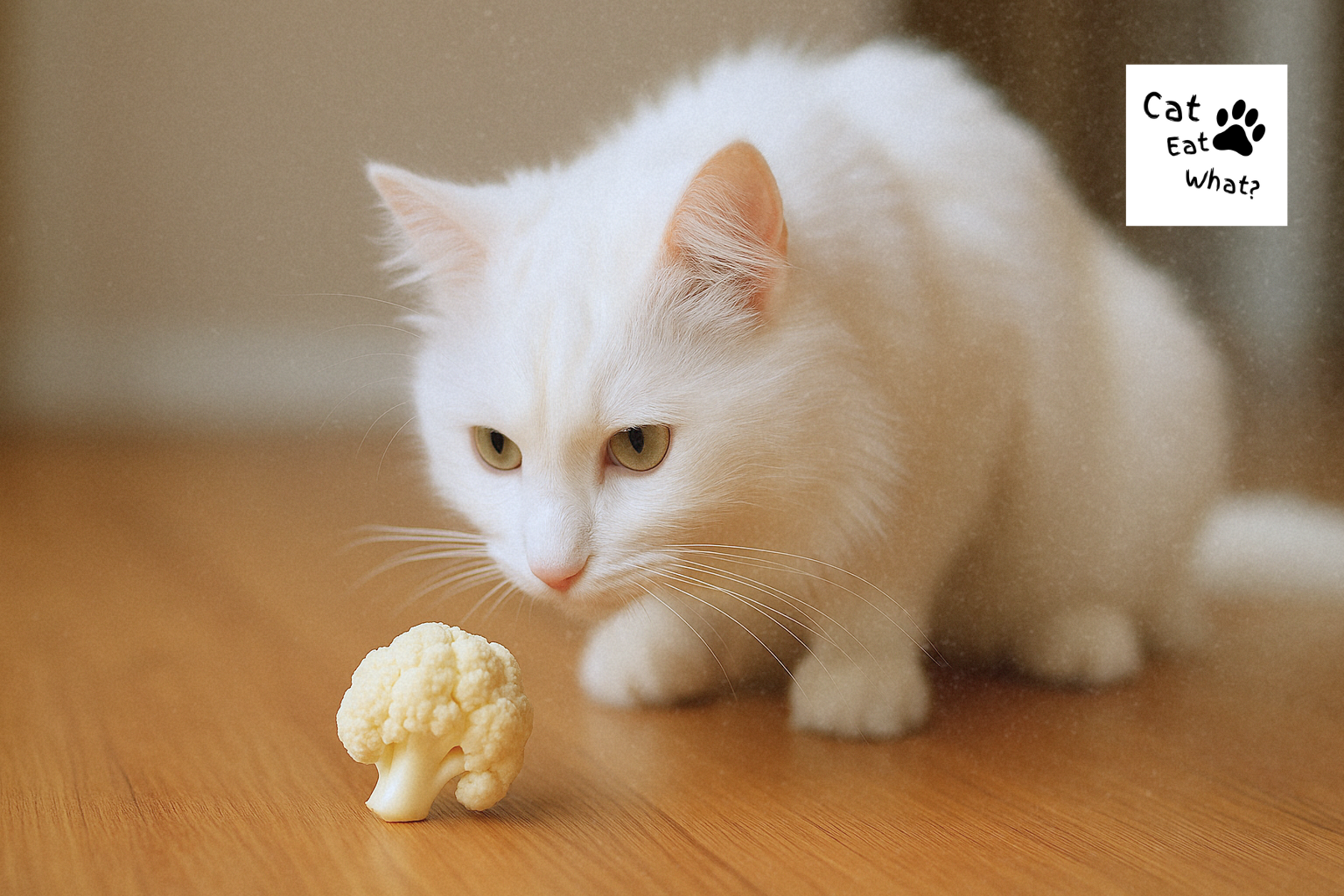
Is cauliflower safe for cats, or is this cruciferous vegetable too much for their sensitive systems? Can Cats Eat Cauliflower? If you’ve ever found your feline sniffing around your steamed veggies, you’re not alone. In this article, we’ll explore whether cats can eat cauliflower, how to offer it safely, and whether it brings any real nutritional value to your pet. Let’s dive into the crunchy truth about cats and cauliflower.
What Is Cauliflower?
Cauliflower is a cruciferous vegetable from the same family as broccoli, kale, and cabbage. Its white florets are the edible part, usually eaten steamed, roasted, or raw. Known for its high fiber and low calorie content, cauliflower has become a staple in many health-conscious diets. Rich in antioxidants, vitamins C and K, and phytonutrients, it’s a powerful food — but that doesn’t automatically mean it’s good for your cat.
Can Cats Eat Cauliflower?
Yes — in small, properly prepared amounts, cats can eat cauliflower. It is not toxic to felines and is listed by the ASPCA as a non-toxic vegetable. That said, cats are obligate carnivores. This means their bodies are built to digest animal protein, not vegetables. While cauliflower is safe in moderation, it should never replace meat-based nutrition.
The keyword here is moderation. Too much cauliflower may upset your cat’s stomach or lead to gas, especially if it’s raw or heavily seasoned.
Are There Any Benefits for Cats?
While cauliflower doesn’t offer essential nutrients that cats need, it can provide a few health perks when offered appropriately:
- Fiber boost – May aid digestion and help prevent constipation.
- Antioxidants – Cauliflower contains sulforaphane and glucosinolates, compounds studied for anti-inflammatory properties.
- Low-calorie treat – If your cat is overweight or on a vet-supervised diet, a tiny floret of plain cauliflower might be a healthier treat option than processed snacks.
Still, these benefits are minor compared to what cats gain from their meat-based meals.
What Are the Risks?
While cauliflower is non-toxic, it’s not completely risk-free for cats. Here are some things to watch for:
- Digestive upset – Cats may experience bloating, gas, or mild diarrhea after eating too much.
- Choking hazard – Raw florets can be too hard or fibrous, especially for older cats or kittens.
- Seasonings and oils – Cooked cauliflower is only safe if it’s plain. Butter, garlic, onions, and seasoning blends are potentially harmful or even toxic.
- Oxalates – Cauliflower contains oxalates, which in high amounts may contribute to urinary crystal formation in sensitive cats, though this is rare from small bites.
If your cat has a history of digestive sensitivity or urinary issues, it’s best to skip cauliflower entirely or consult your vet.
Best Way to Feed Cauliflower to Cats
If you want to offer your cat a taste of cauliflower, here’s how to do it safely:
- Always cook it lightly – Steamed or boiled cauliflower is easier to chew and digest. Avoid frying or roasting with oils or seasoning.
- Chop it into small bits – A pea-sized piece is usually more than enough for a treat.
- No additives – Never serve cauliflower with butter, salt, garlic, onion, or any spices.
- Offer it occasionally – Think of cauliflower as a treat, not a meal component.
Some cats may enjoy it, others may ignore it entirely — and either reaction is completely fine.
Can Kittens Eat Cauliflower?
Kittens have even more sensitive digestive systems than adult cats. While cauliflower isn’t toxic to them, it’s not recommended for kittens under 6 months of age. Their developing bodies need protein-rich, highly digestible food — not fibrous vegetables. Introducing vegetables like cauliflower too early could lead to stomach upset or interfere with optimal growth.
If you’re considering any food outside your kitten’s regular diet, consult your veterinarian first.
Healthier Alternatives to Cauliflower
If you’re exploring safe vegetable options for your cat, here are a few healthier (or safer) choices that may offer similar texture or mild taste:
- Pumpkin – Great for digestion and safe when plain and cooked.
- Cooked carrots – Mild, slightly sweet, and gentle on feline stomachs.
- Zucchini – Another low-calorie veggie that’s safe when served plain.
- Green beans – Cooked and unseasoned, they make a crunchy treat cats often enjoy.
Each of these should still be served in tiny, occasional portions, and never replace your cat’s primary diet.
Dr. Fox’s Final Verdict
Can cats eat cauliflower? Yes — but only in small, occasional amounts and only when it’s plain and properly cooked. While it’s not harmful, cauliflower doesn’t bring much value to a cat’s diet. Think of it as a safe but non-essential treat. If your cat enjoys nibbling on a steamed floret now and then, go ahead — just keep it plain and infrequent.
When in doubt, always check with your veterinarian, especially if your cat has dietary sensitivities, urinary issues, or other chronic conditions. Cauliflower is better treated as an experiment, not a routine snack.