Can Cats Eat Pumpkin? A Fall Favorite With Surprising Benefits
Pumpkin is a fall staple in many homes — but can cats eat pumpkin safely, or is this festive squash best left off their plate? As a vet, I get this question more often than you’d think. Let’s take a look at whether pumpkin is safe for your cat, what the benefits and risks are, and how to feed it correctly if you choose to offer it.
What Is Pumpkin?
Pumpkin is a type of winter squash from the Cucurbita family. It’s commonly orange, though some varieties can be green or even white. We often associate pumpkin with pies, lattes, and jack-o’-lanterns — but the flesh of the fruit is also rich in fiber, vitamins, and antioxidants. It’s used in both human recipes and in some pet foods, especially those designed to support digestion.
Is Pumpkin Safe for Cats?
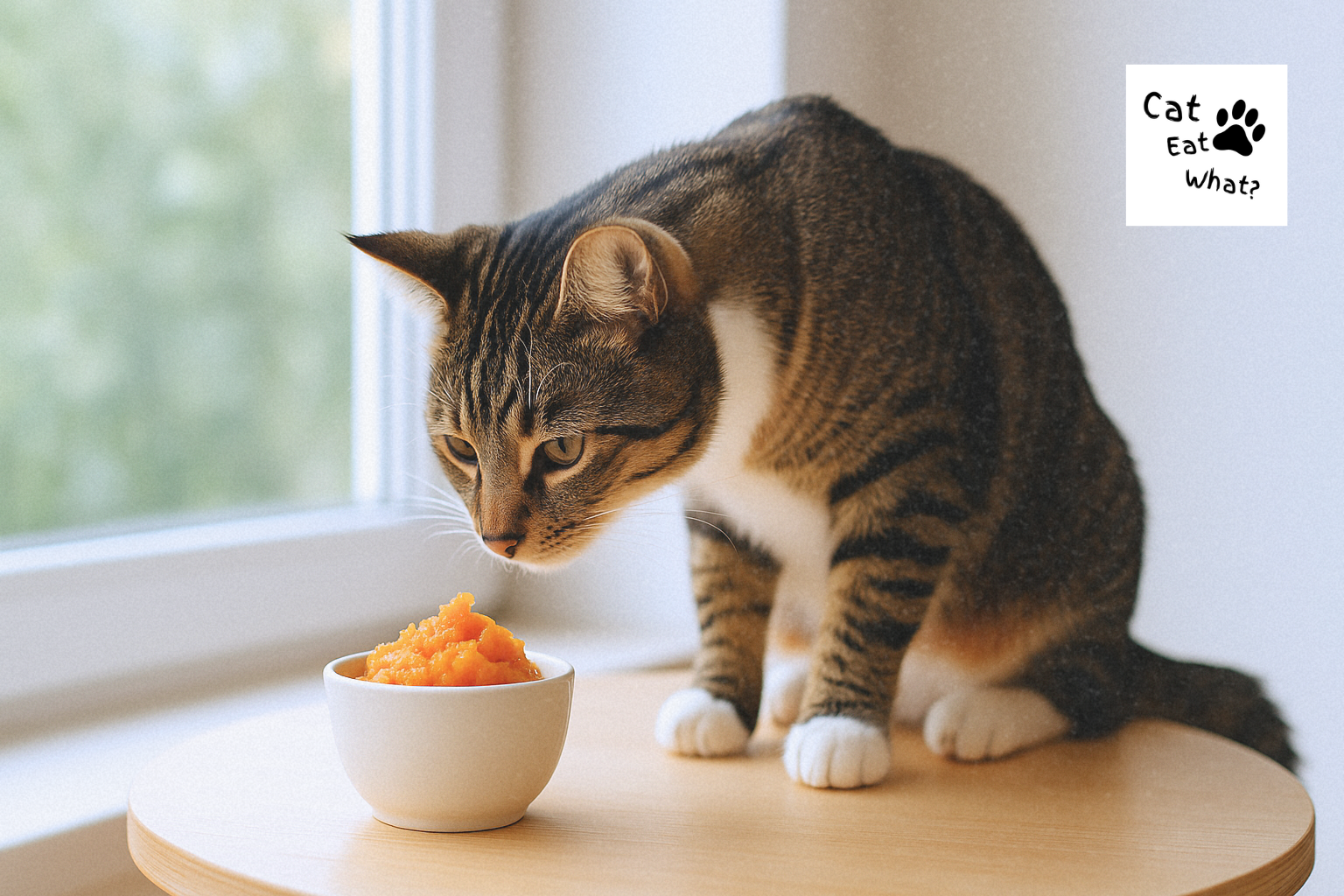
Yes — plain, cooked pumpkin is generally safe for cats in small amounts. In fact, it’s one of the few human foods that many veterinarians (myself included) occasionally recommend for digestive support.
That said, not all pumpkin is cat-safe. Canned pumpkin pie filling (which contains sugar and spices like nutmeg) is dangerous and should never be given to cats. Only plain, unseasoned pumpkin should be offered — ideally fresh or 100% canned pumpkin puree with no additives.
Are There Any Benefits?
Yes — pumpkin offers several potential benefits for cats when fed appropriately:
- Digestive support: The high fiber content in pumpkin may help regulate your cat’s bowel movements. It can sometimes assist with both mild constipation and diarrhea.
- Hydration boost: Pumpkin contains water, which can support hydration, especially in cats who don’t drink enough.
- Low-calorie filler: For overweight cats, a small amount of pumpkin can add volume to meals without adding many calories.
- Mild nutrient source: Pumpkin has small amounts of vitamin A, C, and potassium — though these are not essential additions if your cat is already on a balanced diet.
Still, pumpkin should never replace a cat’s main food. It’s a supplement — not a staple.
Any Risks Involved?
There are a few things to watch out for:
- Too much fiber: While a little fiber helps, too much can lead to digestive upset, including gas or loose stool.
- Spiced or sweetened pumpkin: Nutmeg, cinnamon, cloves, and added sugar can be toxic or harmful to cats.
- Choking hazard: Raw pumpkin or pumpkin skin can be difficult for cats to chew or digest.
- Underlying conditions: If your cat has diabetes or chronic gastrointestinal issues, adding anything new (even pumpkin) should be cleared with your vet.
As always, moderation is key.
Best Way to Feed It
If you’re thinking about offering pumpkin to your cat, here’s the safest way to do it:
- Use plain, cooked pumpkin — either freshly steamed or from a 100% pure canned source.
- Avoid seeds, skin, and spices.
- Start small — begin with 1/2 teaspoon mixed into your cat’s food.
- Observe — monitor for any signs of discomfort, soft stool, or disinterest.
- Feed only occasionally — 2–3 times per week is more than enough for most healthy adult cats.
You can also chill pumpkin slightly before serving — some cats prefer it cool.
Can Kittens Eat Pumpkin?
Kittens should not be given pumpkin unless advised by a vet. Their digestive systems are still developing, and even healthy foods like pumpkin can upset their balance. Kittens require a strict, complete, and balanced diet during their growth phase. Stick to kitten-specific food unless otherwise directed.
Safer Alternatives
If your goal is to support digestion or offer a healthy treat, here are some safe, vet-approved options:
- Cooked plain carrot — offers fiber and sweetness
- Canned plain green beans — low-calorie and crunchy
- Commercial cat treats with added fiber — specially formulated and portion-controlled
- Prescription or vet-recommended GI diets — tailored for digestive support
Always introduce any new food slowly and observe your cat’s reaction.
Dr. Fox’s Final Verdict
Pumpkin is one of the few “people foods” that can offer real benefits to cats — as long as it’s served properly. Plain, unsweetened pumpkin can help with mild digestive issues or simply add variety. Just remember: small amounts, no spices, and never as a replacement for a complete diet.
If your cat loves it and tolerates it well, there’s no harm in keeping pumpkin as a seasonal treat in your toolkit.