Can Cats Eat Figs? A Vet’s Take on This Sweet Fruit
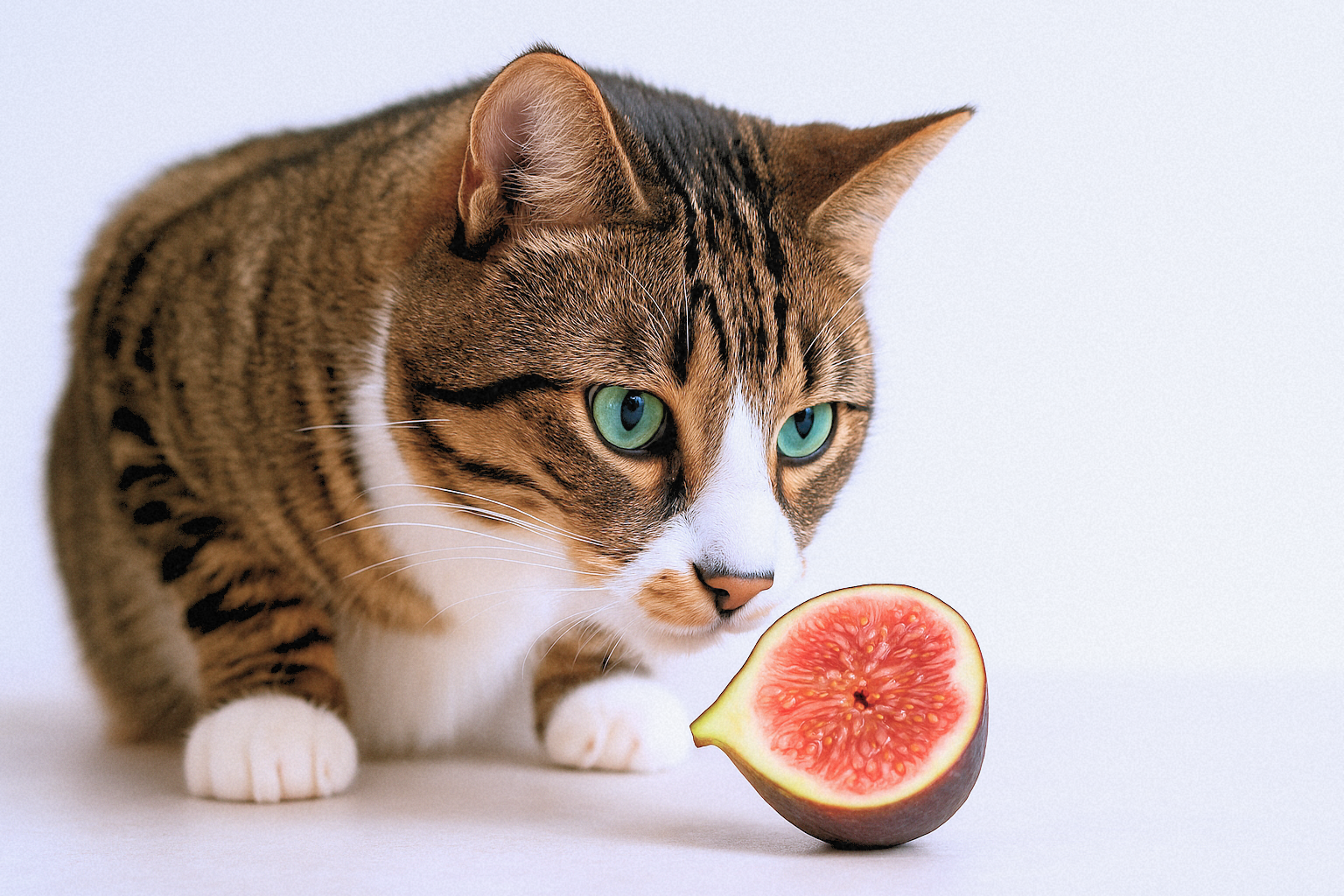
Can Cats Eat Figs? Figs are sweet, fiber-rich fruits that many people enjoy fresh or dried. But if your cat sneaks a nibble, should you be concerned? In this article, we’ll explore whether figs are safe for cats, how much (if any) is okay, and what risks you need to know.
Let’s dig into what the science — and a vet’s perspective — says.
What Are Figs?
Figs are small, teardrop-shaped fruits that grow on the Ficus carica tree, native to the Mediterranean and Middle East. They’re known for their soft, chewy texture, tiny seeds, and naturally sweet taste. Figs can be eaten fresh or dried and are often used in baked goods, jams, and snacks.
They’re high in fiber, natural sugars, and compounds like ficin — which will become important in the safety discussion for cats.
Are Figs Safe for Cats?
In short: no, figs are not safe for cats.
According to the ASPCA, the fig plant and its fruit are toxic to cats, dogs, and horses. The primary culprits are ficin and ficusin, chemical compounds that can irritate a cat’s digestive tract and skin.
Even small amounts can cause unwanted symptoms. That means no bites of fig bars, no fig paste, and definitely no chewing on the plant itself.
Any Benefits for Cats?
While figs are a healthy snack for humans due to their fiber and antioxidants, they offer no nutritional benefit to cats. Cats are obligate carnivores — their digestive systems are not built to process fruits, especially ones with plant toxins like ficin.
In theory, the fiber in figs could help with digestion, but the risks far outweigh any possible gain.
Risks Involved
Cats that ingest figs (especially fresh) may show signs of:
- Drooling
- Vomiting
- Diarrhea
- Skin irritation or rash (especially around the mouth)
- Lack of appetite
- Lethargy
In some cases, exposure to the fig plant’s leaves or sap can lead to more severe dermatitis or gastrointestinal distress. If you suspect your cat has eaten part of a fig or a fig plant, it’s best to call your vet or a poison control hotline immediately.
How to Feed (If Safe)
This section is mostly theoretical — because figs are not safe to feed to cats in any form.
If you’re tempted to share a fig snack, the best thing you can do is skip it entirely. There is no safe serving size or preparation method that removes the harmful compounds. Whether it’s raw, cooked, dried, or mashed into a treat — avoid it.
Can Kittens Eat Figs?
Definitely not.
Kittens have even more sensitive digestive systems and lower body weight, making them more vulnerable to toxins like ficin. Even a small piece could result in vomiting or dehydration.
If a kitten gets into a fig, don’t wait — contact your veterinarian immediately.
Safer Alternatives for Cats
If you’re looking for a fruity treat that cats can occasionally try, consider these safer options:
- Blueberries – Rich in antioxidants and generally well-tolerated in moderation
- Cantaloupe – Many cats enjoy its mild sweetness
- Apples (no seeds) – Fiber-rich and safe in small amounts
- Strawberries – Low in sugar and contain vitamin C
Always serve these in tiny, bite-sized pieces, and only occasionally. Keep in mind that treats — even healthy ones — should make up less than 10% of your cat’s diet.
Vet’s Final Verdict
Figs are off-limits for cats.
While they may seem harmless, both the fruit and the plant contain compounds that can irritate or poison your cat. There’s no health benefit to outweigh the risk.
Stick to safer snacks, and if you grow a fig tree at home, make sure it’s kept well out of reach of your pets.