Can Cats Eat Lime? What Every Pet Owner Should Know About Citrus Safety
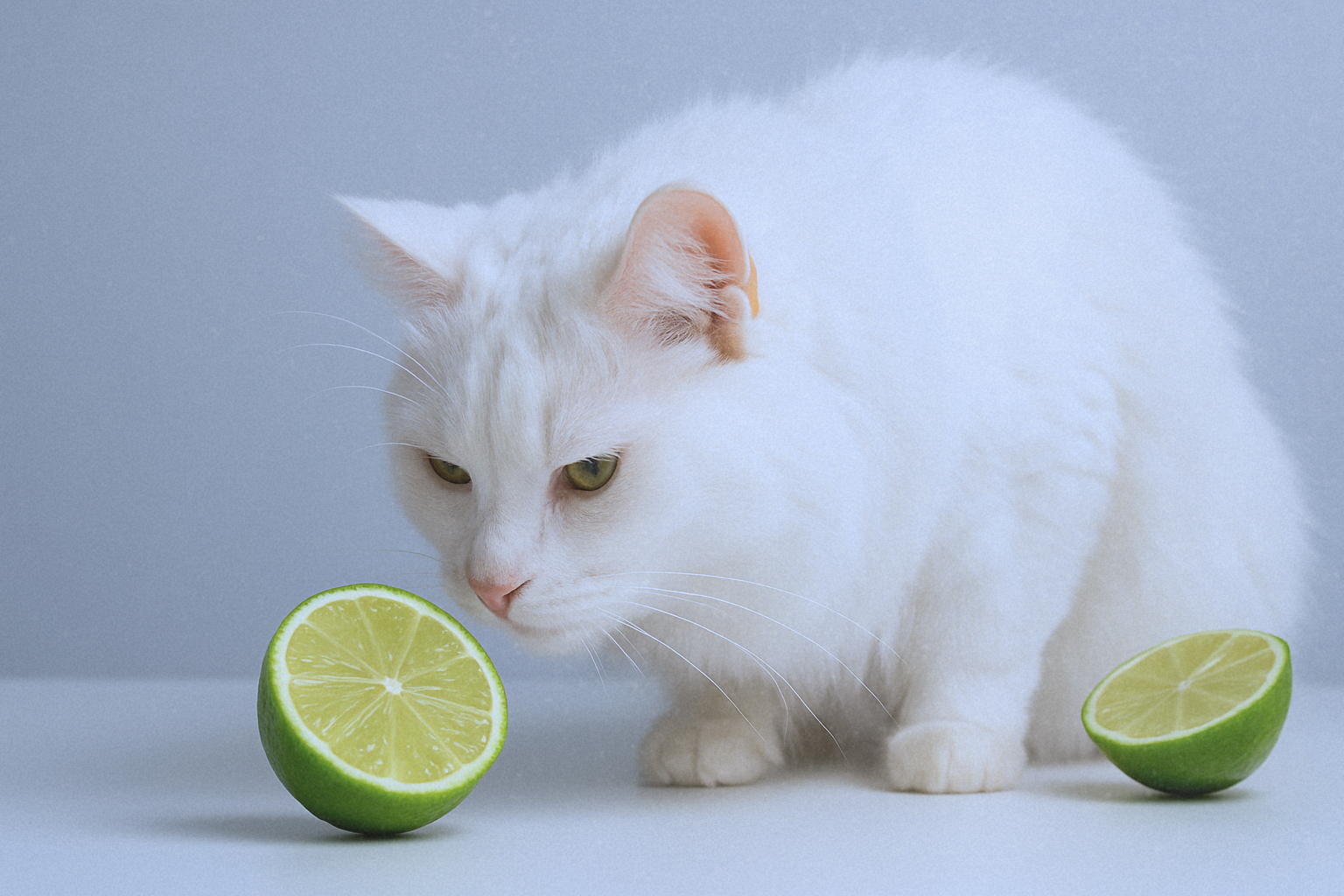
If your curious cat just licked a slice of lime—or you’re wondering if you can share a citrus treat—this article is for you. While citrus fruits like lime may seem harmless to us, they can pose hidden dangers to cats. So, can cats eat lime? The short answer: no, and here’s exactly why.
Let’s walk through what makes limes risky, how citrus affects a cat’s body, and what to do if your cat has been exposed to it.
What Is Lime?
Limes are small, round green citrus fruits with a sharp, tangy flavor. They’re often used in drinks, cooking, and desserts, thanks to their zesty aroma and high vitamin C content. The two most common types are Key limes and Persian limes, both of which contain high amounts of citric acid and fragrant essential oils, like limonene and linalool.
While limes are packed with health benefits for humans—supporting immunity, skin health, and digestion—they’re entirely unsuitable for feline consumption.
Is Lime Safe for Cats?
No. Limes are toxic to cats in all forms—flesh, peel, juice, and even the leaves of the lime tree.
The ASPCA lists limes as a known toxic plant, due to the presence of essential oils and psoralens, which can cause poisoning in cats even in small amounts. Whether it’s a few drops of lime juice, a bite of the fruit, or exposure to lime-scented cleaning products, cats are especially vulnerable.
Cats lack the liver enzymes needed to break down citrus compounds, which is why their systems react so strongly to substances like limonene and linalool.
Are There Any Benefits for Cats?
Unfortunately, no. While lime is a superfood for humans, cats do not benefit from its vitamin C, antioxidants, or fiber content.
Cats synthesize their own vitamin C in their liver, so they don’t require it from their diet. The acidity of limes also makes it irritating to their mouths and stomachs. Even the smell is repulsive to most cats, as their noses are highly sensitive to citrus.
So while limes may help us fight colds or freshen up meals, they offer no nutritional upside for felines.
What Are the Risks of Lime for Cats?
The risks are serious and well-documented. Here’s what can happen if a cat ingests or comes into contact with lime:
1. Gastrointestinal Distress
Even small exposure can cause vomiting, diarrhea, drooling, or abdominal pain. Your cat might gag or paw at their mouth due to the irritation.
2. Skin Irritation
Lime oils on a cat’s skin—especially from essential oils or lime-scented sprays—can lead to dermatitis, redness, or sensitivity.
3. Neurological Symptoms
In more severe cases of poisoning, a cat may show signs like lethargy, loss of coordination, or tremors.
4. Liver Toxicity
Prolonged exposure or ingestion can overload a cat’s liver, especially in smaller cats or kittens.
If you suspect lime ingestion or exposure, it’s best to contact your vet immediately—even if symptoms are mild at first.
How to Feed Lime (Don’t)
There is no safe way to offer lime to a cat. This is not a food to experiment with in small doses.
Even trace exposure to lime peel oils or juice can cause a reaction. If lime was accidentally added to food (like fish marinated with lime juice), discard it. Don’t attempt to “rinse it off.”
Also avoid feeding your cat any packaged or flavored foods (like lime yogurt or citrus desserts) that may contain lime flavoring or essential oils.
Can Kittens Eat Lime?
Absolutely not. Kittens are even more susceptible to toxins due to their small body size and immature organs.
A kitten’s liver and kidneys cannot effectively detoxify the compounds in lime. Just a lick could cause vomiting, diarrhea, or worse. If a kitten accidentally ingests lime, treat it as an emergency and seek veterinary advice immediately.
Never use lime-based cleaning sprays around kitten areas—especially their litter boxes, bedding, or food bowls.
Safer Alternatives for Curious Cats
Instead of lime, here are a few cat-safe fruits that offer fun and enrichment without the toxicity risk:
- Blueberries – Antioxidant-rich and bite-sized.
- Watermelon (seedless) – Hydrating and low-calorie.
- Peeled Apple Slices – Mildly sweet and safe in moderation.
- Cantaloupe – A juicy, sweet melon that some cats love to sniff and nibble.
Always introduce new fruits slowly, and only in small, occasional treats. The majority of a cat’s diet should remain animal-protein based.
Vet’s Final Verdict
Limes are toxic to cats and should be avoided entirely. There is no safe amount, and no health benefit that outweighs the risk. Whether in juice, flesh, peel, or even essential oil form—lime can harm your cat.
If you’re looking for healthy treats, stick to cat-safe fruits like melon or berries, and keep all citrus—including lime—out of reach.
If your cat has had contact with lime, monitor closely for symptoms and consult your veterinarian or a pet poison hotline for next steps.