Can Cats Eat Kiwi? A Surprising Fruit Cats Might Sniff Twice
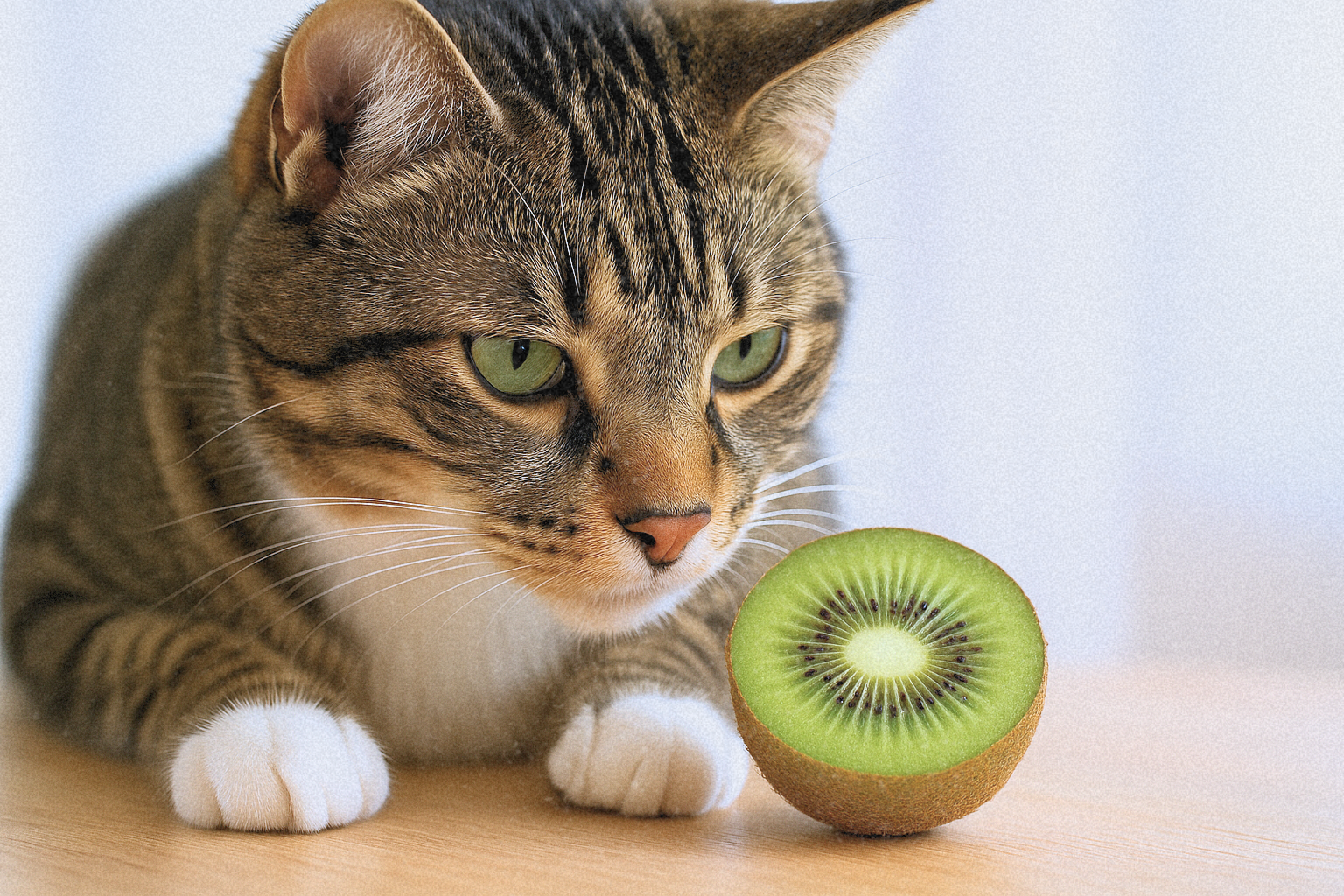
Can Cats Eat Kiwi? Have you ever sliced into a juicy kiwi and caught your cat eyeing it curiously? It’s a common moment for pet owners — wondering whether that sweet, tart fruit is safe to share. While kiwi is a refreshing snack for humans, does it have any place in your cat’s diet? As a veterinarian, I’ll walk you through the full scoop on kiwi and cats — safety, risks, and smart alternatives.
What Is Kiwi?
Kiwi, also known as kiwifruit, is a small, fuzzy, brown-skinned fruit with bright green or golden flesh and tiny edible black seeds. Native to China but widely grown in New Zealand and other regions, kiwi is rich in vitamin C, fiber, and antioxidants. Its unique sweet-tart flavor makes it a popular addition to smoothies, fruit salads, and breakfast bowls. But while it’s nutritious for us, the feline digestive system is built differently — and not all human superfoods are cat-friendly.
Is Kiwi Safe for Cats?
In small amounts, kiwi is not toxic to cats. The ASPCA does not list kiwi as a poisonous fruit for felines, which means a tiny bite won’t cause harm in most healthy cats. However, “safe” doesn’t always mean “beneficial” — and there are still a few important caveats.
First, cats are obligate carnivores, meaning their bodies are designed to extract nutrients from meat, not fruit. So while kiwi might not be toxic, it also doesn’t serve any essential role in their diet. Think of it as a novelty, not a necessity.
Any Benefits for Cats?
Theoretically, kiwi offers small amounts of vitamin C, fiber, and potassium — all good things for humans. But in cats, these nutrients aren’t as meaningful. Cats synthesize their own vitamin C, and their digestive tracts aren’t optimized for processing plant fibers.
That said, the mild fiber content in kiwi could help with digestion or constipation in rare cases. Some cats may also enjoy the texture and moisture of the fruit. But again, this is more about enrichment than nutrition. If your cat seems intrigued, a tiny sliver may offer a sensory experience — not a health boost.
Risks Involved
Here’s where caution is crucial.
1. Sugar Content
Kiwi is naturally high in sugars, which can upset a cat’s stomach or contribute to weight gain if given regularly. Cats do not process sugar well, and too much can lead to vomiting or diarrhea.
2. Choking Hazard
The fruit’s skin, seeds, or even the slippery texture of the flesh can pose a choking risk, especially for kittens or smaller cats. Always remove the skin and cut kiwi into very small, manageable pieces.
3. Allergic Reactions
Though rare, some cats may react poorly to kiwi. Signs include drooling, swelling, or gastrointestinal upset. If it’s your cat’s first time trying kiwi, offer only a tiny amount and monitor them for any signs of discomfort.
How to Feed (If Safe)
If you decide to let your cat sample kiwi, follow these steps:
- Peel the fruit completely to remove the fuzzy skin, which can irritate the mouth or digestive tract.
- Cut into small pieces — no larger than a fingernail.
- Offer a tiny amount (less than a teaspoon).
- Supervise your cat during and after — and never give it regularly.
Treat kiwi as an occasional curiosity — not a recurring snack.
Can Kittens Eat It?
It’s best to avoid giving kiwi to kittens altogether. Their digestive systems are even more sensitive than adult cats, and introducing sugary fruits early on can lead to discomfort or even long-term aversions to proper feline nutrition.
Stick with high-quality kitten food until their systems are more developed — and consult your vet before offering any non-cat-specific food.
Safer Alternatives
If your cat is curious about fruit, here are a few safer and better options — in moderation:
- Blueberries – Rich in antioxidants, low in sugar
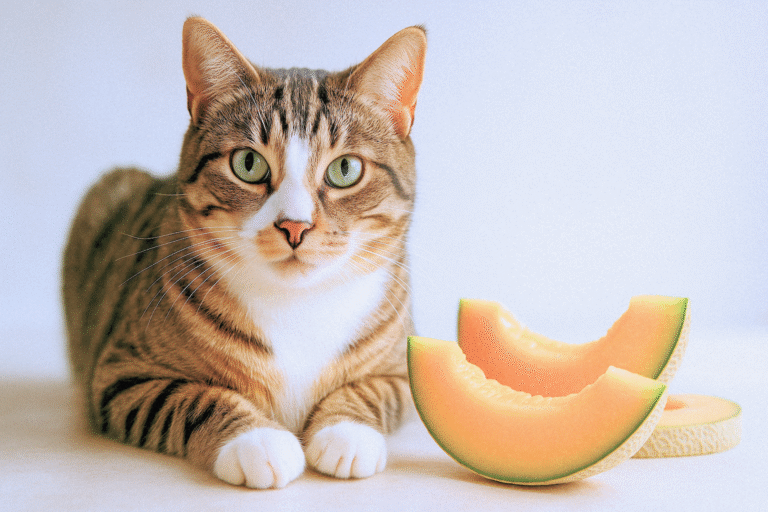
- Cantaloupe – Many cats enjoy the scent and taste
- Cooked pumpkin – Excellent for digestion and fiber
- Watermelon – Hydrating and usually well tolerated
All should be given in tiny portions, free from seeds or rinds, and not as a staple in their diet.
Vet’s Final Verdict
Can cats eat kiwi? Technically, yes — in very small amounts, kiwi is not toxic to cats. But that doesn’t mean it’s ideal. There are better, safer, and more beneficial treats out there for your feline friend. If your cat licks a slice out of curiosity, don’t panic — but don’t make it a habit either.
As always, when introducing any human food into your cat’s diet, moderation and observation are key.
Reference:
Can cats eat cherries? – ASPCA