Can Cats Eat Grapes? The Truth Behind This Toxic Fruit
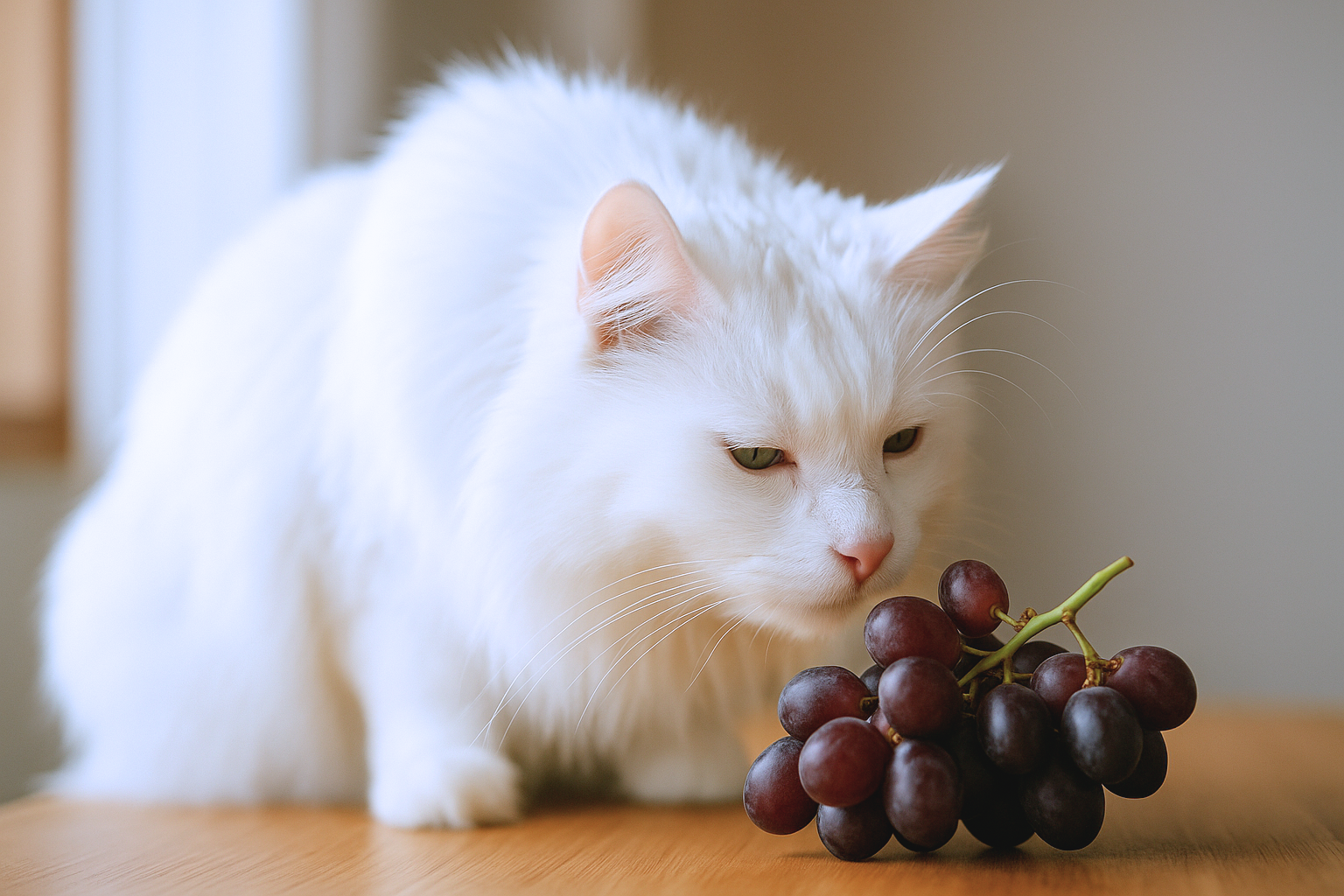
Grapes may be a sweet and healthy snack for humans, but when it comes to cats, the story takes a much darker turn. As a veterinarian, I’ve been asked many times: Can cats eat grapes? The short answer is — absolutely not. While most pet owners are aware of grape toxicity in dogs, few realize that cats may also be at risk. Let’s explore what makes grapes so dangerous, how they affect feline health, and what safer alternatives you can offer instead.
What Are Grapes?
Grapes are small, juicy fruits that grow in clusters on vines and come in a variety of colors — green, red, black, and purple. They’re commonly eaten fresh, dried into raisins, or used in juices and wines. Grapes are rich in antioxidants, vitamins C and K, and natural sugars, making them a popular snack among humans. But just because something is healthy for us doesn’t mean it’s safe for our pets.
Are Grapes Safe for Cats?
No, grapes are not safe for cats. In fact, they may be downright toxic.
While the exact mechanism of grape toxicity is still not fully understood — even in dogs — what we do know is that ingestion of even a small number of grapes or raisins has caused kidney failure in dogs. Cats are less likely to eat grapes on their own due to their more selective palates, but when they do, the consequences can be severe.
There is limited but growing evidence that grapes may also be toxic to cats. The ASPCA lists both grapes and raisins as potentially dangerous for felines, and there have been reported cases of kidney problems in cats following ingestion.
Are There Any Benefits for Cats?
None.
Unlike some other human foods that offer minor nutritional perks for cats (like small bits of cooked egg or tuna), grapes have no known benefit to feline health. Cats are obligate carnivores, which means they require nutrients found only in animal tissue. Grapes not only fail to meet their dietary needs — they pose an active threat.
What Are the Risks of Feeding Grapes to Cats?
The primary concern with grapes is their potential to cause acute kidney failure. While research is limited, the risks include:
- Vomiting
- Lethargy
- Diarrhea
- Abdominal pain
- Decreased appetite
- Dehydration
- Increased or decreased urination
Symptoms can appear within hours and escalate quickly. In some cases, even a single grape has led to life-threatening issues in pets. Because the toxic dose is unknown and likely varies between individuals, there is no “safe amount” to experiment with.
If your cat eats grapes or raisins, contact your vet immediately or call an emergency animal poison control hotline.
How to Feed Grapes to Cats (You Don’t)
You don’t. There is no safe method or preparation that makes grapes acceptable for feline consumption — not peeled, not cooked, not frozen, not in juice, and certainly not as raisins (which are even more concentrated).
Some pet parents think that removing the skin or seeds makes a difference. It does not. The entire grape — flesh, skin, and juice — can be dangerous. Raisins, being dehydrated, are even more potent and should never be accessible to cats.
Can Kittens Eat Grapes?
Absolutely not. Kittens are even more vulnerable due to their smaller size and developing organs. A single grape can be disproportionately toxic to a kitten compared to an adult cat.
If a kitten has ingested a grape or raisin, this is a veterinary emergency. Time is critical — prompt care can mean the difference between recovery and irreversible kidney damage.
Safer Alternatives to Grapes
If you’re looking to share a treat with your cat, skip the fruit bowl and opt for safer choices:
- Cooked chicken or turkey (plain, boneless)
- Small bites of canned tuna (in water)
- Plain scrambled egg
- Cat-safe commercial treats
- A few licks of plain pumpkin puree (not pie filling)
For cat-safe fruits (offered in strict moderation), consider:
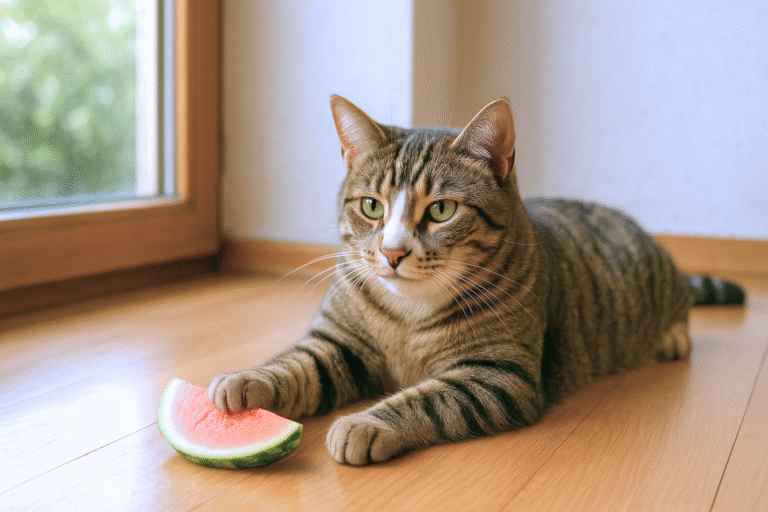
- Watermelon
- Cantaloupe
- Blueberries
- Strawberries
Just remember: these should be occasional treats, not diet staples. Always introduce new foods one at a time and observe for any reactions.
Dr. Fox’s Final Verdict
Grapes are a hard no for cats. While they may not be as notorious in felines as they are in dogs, the risk is real. Until science definitively proves otherwise — and based on what we know from both clinical experience and toxicology data — grapes should be considered off-limits.
Cats don’t benefit from fruit in the same way humans do. If you want to treat your cat, stick to protein-based snacks or foods designed specifically for felines. Your cat’s kidneys will thank you.